Why Do Gums Bleed During Pregnancy, and Should You Worry?
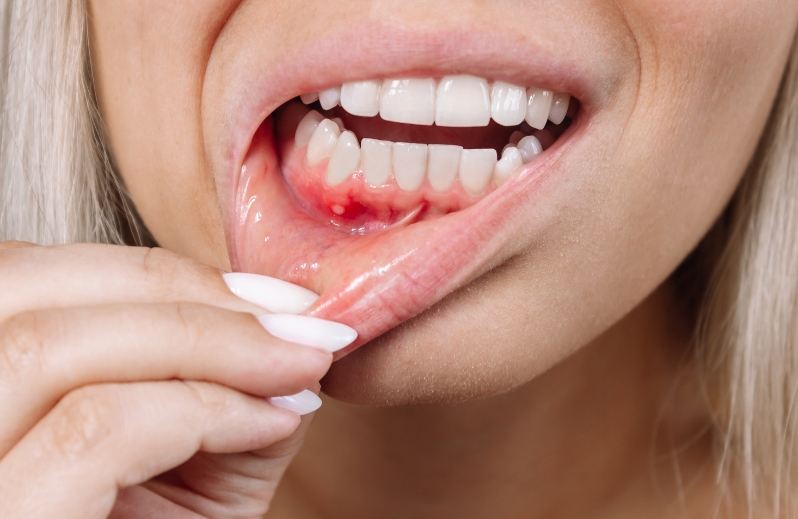
Pregnancy brings many changes to the body, and one surprising symptom many women notice is bleeding gums. If you see pink in the sink while brushing or flossing, you are not alone. In fact, Gum Disease and Pregnancy are closely connected because hormonal changes during pregnancy can make gums more sensitive, swollen, and prone to bleeding. While mild irritation is common, ignoring ongoing symptoms may lead to more serious oral health concerns. The good news is that with proper dental care, healthy habits, and regular checkups, most pregnancy-related gum issues can be managed safely and effectively.
Understanding Why Gums Bleed During Pregnancy
During pregnancy, hormone levels—especially progesterone and estrogen—increase significantly. These hormones affect how the body responds to plaque bacteria around the gums.
As a result, many pregnant women develop what dentists call “pregnancy gingivitis.” This condition causes the gums to become inflamed, tender, and more likely to bleed during brushing or flossing.
Common symptoms include:
- Red or swollen gums
- Bleeding while brushing
- Gum tenderness
- Bad breath
- Increased sensitivity
These symptoms often appear during the second trimester but can occur at any stage of pregnancy.
The Link Between Gum Disease and Pregnancy
The connection between Gum Disease and Pregnancy goes beyond simple gum irritation. Research suggests that untreated gum disease may increase the risk of certain pregnancy complications, including:
- Premature birth
- Low birth weight
- Increased inflammation in the body
Although more studies continue to explore this relationship, maintaining good oral health during pregnancy is considered an important part of prenatal care.
That is why regular dental visits are strongly recommended during pregnancy.
Is Bleeding Gums During Pregnancy Normal?
Mild gum bleeding is common, but it should never be ignored completely.
Occasional bleeding caused by increased gum sensitivity may not be dangerous. However, frequent bleeding, severe swelling, or persistent pain can indicate developing gum disease.
You should contact a dentist if you experience:
- Heavy or continuous bleeding
- Gum recession
- Loose teeth
- Severe pain or swelling
- Pus around the gums
- Difficulty chewing
Early treatment can prevent the condition from worsening and help protect both maternal and oral health.
What Causes Pregnancy Gingivitis?
Several factors contribute to gum inflammation during pregnancy.
Hormonal Changes
Higher hormone levels increase blood flow to the gums, making them more reactive to plaque buildup.
Increased Plaque Sensitivity
Even small amounts of plaque can trigger inflammation during pregnancy.
Morning Sickness
Frequent vomiting exposes teeth and gums to stomach acid, which can irritate oral tissues.
Changes in Oral Hygiene Habits
Some women avoid brushing thoroughly because of nausea or gum sensitivity, which may allow bacteria to build up.
How to Prevent Bleeding Gums During Pregnancy
The good news is that pregnancy gingivitis is often preventable with consistent care.
Maintain a Strong Oral Hygiene Routine
Brush at least twice daily using a soft-bristled toothbrush and fluoride toothpaste.
Floss gently every day to remove plaque between the teeth where brushing cannot reach.
Schedule Regular Dental Cleanings
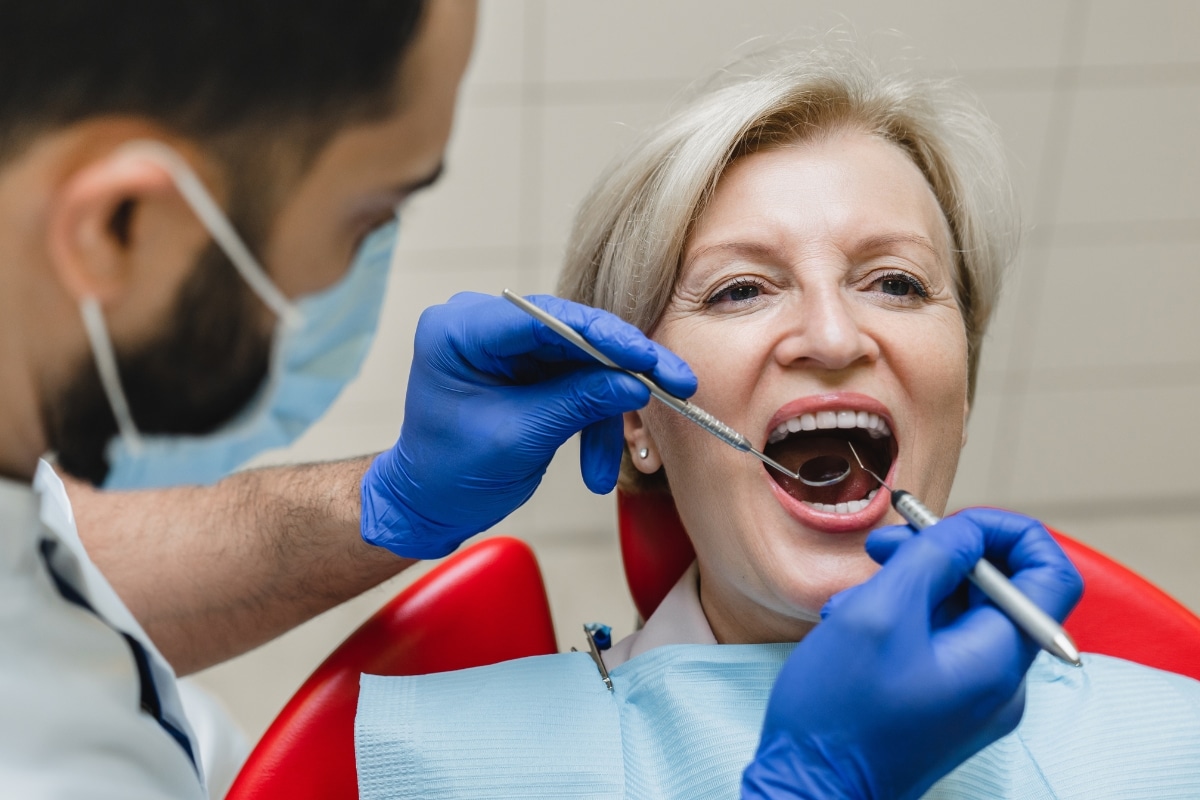
Professional cleanings help remove tartar and reduce gum inflammation. Routine dental care during pregnancy is safe and encouraged.
At Kyle Parkway Dentistry, patients receive compassionate dental care designed to support oral health during every stage of pregnancy.
Stay Hydrated
Drinking water helps wash away bacteria and keeps the mouth hydrated.
Eat a Balanced Diet
Foods rich in calcium, vitamin C, and vitamin D support healthy gums and teeth.
Rinse After Morning Sickness
Instead of brushing immediately after vomiting, rinse with water or a mild saltwater solution to protect tooth enamel.
Source: Teeth Talk Girl
Can You Visit the Dentist During Pregnancy?
Yes—dental visits are safe during pregnancy and highly recommended.
The second trimester is often considered the ideal time for routine dental procedures and cleanings. However, emergency dental care can be performed at any stage when necessary.
Always inform your dentist that you are pregnant so they can tailor treatment appropriately.
Many pregnant patients worry about dental X-rays, but modern digital X-rays use very low radiation levels and protective shielding when needed.
What Happens If Gum Disease Is Left Untreated?
Ignoring gum disease may allow inflammation and infection to progress.
Advanced gum disease, also called periodontitis, can lead to:
- Gum recession
- Bone loss around teeth
- Tooth mobility
- Chronic bad breath
- Increased discomfort
Because Gum Disease and Pregnancy may influence overall health, early treatment is important for maintaining both oral wellness and peace of mind during pregnancy.
Safe Treatments for Pregnancy Gingivitis
Most pregnancy-related gum issues can be managed conservatively and safely.
Treatment options may include:
- Professional dental cleanings
- Improved at-home oral hygiene
- Antibacterial mouth rinses approved by your dentist
- Monitoring gum health throughout pregnancy
In many cases, symptoms improve after delivery once hormone levels return to normal.
Healthy Habits for a Comfortable Pregnancy Smile
Simple daily habits can make a major difference in protecting your gums during pregnancy.
Try to:
- Replace your toothbrush every 3 months
- Limit sugary snacks and drinks
- Avoid tobacco products
- Use alcohol-free mouthwash if recommended
- Keep all prenatal and dental appointments
Consistency is key when preventing gum inflammation.
Common Patient Questions
Why do my gums bleed even when I brush gently?
Pregnancy hormones increase gum sensitivity, making bleeding more likely even with gentle brushing.
Can gum disease affect my baby?
Some studies suggest untreated gum disease may be linked to premature birth or low birth weight, which is why preventive care is important.
Is it safe to get my teeth cleaned while pregnant?
Yes. Professional dental cleanings are safe and recommended during pregnancy.
Will bleeding gums go away after pregnancy?
For many women, symptoms improve after delivery. However, untreated gum disease may continue progressing if not addressed.
What toothpaste is best during pregnancy?
A fluoride toothpaste designed for sensitive gums is usually recommended. Your dentist can suggest the best option for your needs.
When Should You Call a Dentist?
You should schedule a dental visit if your symptoms worsen or do not improve with daily care.
Persistent bleeding, swelling, or pain may indicate more advanced gum disease that requires professional attention.
Routine preventive care can help you stay comfortable and protect your smile throughout pregnancy.
Protect Your Smile During Pregnancy
Pregnancy is an exciting time, but it can also create unexpected oral health challenges. While bleeding gums are common, they should not be ignored. Understanding the connection between Gum Disease and Pregnancy helps expectant mothers take proactive steps to maintain healthy gums and teeth.
Regular cleanings, strong oral hygiene habits, and professional dental guidance can make a significant difference. If you are experiencing gum bleeding or discomfort, the team at Kyle Parkway Dentistry is here to help.
Schedule your appointment today to protect your oral health and enjoy a healthier pregnancy smile.