Does Chewing Gum Really Prevent Cavities?
Many people reach for chewing gum after meals, hoping it will keep their teeth clean and cavity-free. But does it actually help? The short answer is yes — certain types of sugar-free gum can support oral health by increasing saliva production and reducing harmful acids in the mouth. However, chewing gum is not a replacement for brushing, flossing, or professional dental care. If you are concerned about oral health issues like cavities or Gum Disease Kyle, understanding how chewing gum works can help you make better choices for your smile.
At Kyle Parkway Dentistry, patients often ask whether gum can truly protect teeth or if it is just a marketing myth. The reality lies somewhere in between. While gum can provide benefits, it works best as part of a complete dental care routine.
How Cavities Form in the First Place
Cavities develop when bacteria in the mouth feed on sugars and produce acids that weaken tooth enamel. Over time, these acids create tiny holes in the teeth that can become painful and lead to more serious dental problems.
Several factors increase cavity risk, including:
- Poor brushing and flossing habits
- Frequent sugary snacks or drinks
- Dry mouth
- Lack of regular dental visits
- Plaque buildup along the gumline
In some cases, untreated plaque and bacteria can also contribute to Gum Disease Kyle, which affects the gums and supporting structures around the teeth.
Can Chewing Gum Really Help Prevent Cavities?
The Role of Saliva
One of the biggest benefits of chewing sugar-free gum is that it stimulates saliva production. Saliva plays a major role in protecting your teeth because it helps:
- Wash away food particles
- Neutralize harmful acids
- Strengthen enamel with minerals like calcium and phosphate
- Reduce dry mouth
When you chew gum after eating, your mouth produces more saliva, which can lower the risk of tooth decay.
Sugar-Free Gum vs. Regular Gum
Not all gum is good for your teeth. Regular gum that contains sugar can actually feed cavity-causing bacteria. Sugar-free gum, especially those made with xylitol, is a much better option.
Xylitol is a natural sweetener that may help reduce bacterial growth in the mouth. Many dentists recommend chewing sugar-free gum for about 20 minutes after meals when brushing is not possible.
However, gum should only supplement your oral care routine — not replace it.
What Chewing Gum Cannot Do
Although chewing gum offers benefits, it does have limitations.
Chewing gum cannot:
- Remove hardened plaque or tartar
- Replace brushing and flossing
- Heal cavities once they form
- Treat gum infections
- Prevent all oral health problems
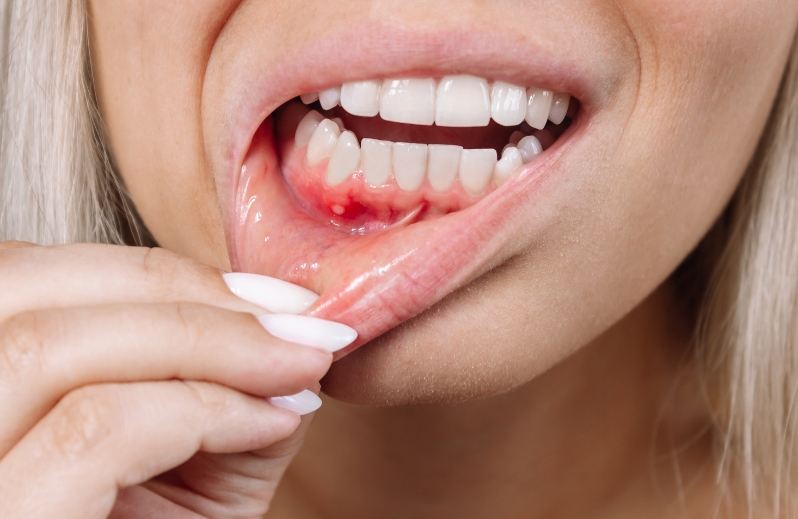
This is especially important for patients experiencing signs of Gum Disease Kyle, such as swollen gums, bleeding during brushing, or persistent bad breath. Professional dental treatment is essential for managing gum disease effectively.
Signs You May Have Cavities or Gum Disease
Sometimes patients assume they are fine because they chew gum regularly. Unfortunately, oral health issues can still develop quietly.
Watch for these warning signs:
Symptoms of Cavities
- Tooth sensitivity
- Pain when eating sweets
- Visible holes or dark spots
- Toothaches
Symptoms of Gum Disease
- Bleeding gums
- Red or swollen gums
- Receding gums
- Chronic bad breath
- Loose teeth
If you notice any of these symptoms, scheduling a dental evaluation is important before the condition worsens.
Best Ways to Prevent Cavities Naturally
Chewing gum can help, but a complete preventive routine is the real key to healthy teeth and gums.
Brush Twice Daily
Use fluoride toothpaste and brush for at least two minutes. Fluoride strengthens enamel and helps prevent decay.
Floss Every Day
Flossing removes plaque and food particles between teeth where toothbrushes cannot reach.
Limit Sugary Foods and Drinks
Frequent sugar exposure increases acid production and cavity risk.
Stay Hydrated
Drinking water helps rinse the mouth and reduce dry mouth symptoms.
Visit Your Dentist Regularly
Routine cleanings and exams help detect cavities and Gum Disease Kyle early before they become serious problems.
The Connection Between Cavities and Gum Disease
Many people think cavities and gum disease are separate issues, but they are closely connected. Both are caused by bacteria and plaque buildup.
When plaque is not removed properly:
- Teeth become vulnerable to decay
- Gums become inflamed
- Bacteria spread deeper below the gumline
As gum disease progresses, it may even increase the risk of tooth loss. That is why preventive care matters so much for long-term oral health.
Who Benefits Most from Sugar-Free Gum?
Certain individuals may benefit more from chewing sugar-free gum, including:
- People with dry mouth
- Patients who snack frequently
- Individuals who cannot brush immediately after meals
- Patients with higher cavity risk
Still, it is important to choose ADA-approved sugar-free gum products whenever possible.
Tips for Choosing Tooth-Friendly Gum
When selecting gum, look for:
- Sugar-free labels
- Xylitol ingredients
- ADA Seal of Acceptance
- Low-acid formulas
Avoid gum loaded with sugar or acidic flavorings, as these may do more harm than good.
Healthy Habits Matter More Than Quick Fixes
It is easy to look for simple solutions for better oral health, but there is no shortcut to preventing cavities and gum disease. Chewing gum can be a helpful tool, but consistent dental habits make the biggest difference.
Patients dealing with Gum Disease Kyle often benefit from a personalized treatment and prevention plan tailored to their needs. Early care can help prevent more complex dental procedures later.
Common Questions Patients Ask
Does chewing gum replace brushing?
No. Chewing gum can help freshen breath and stimulate saliva, but brushing and flossing are still essential daily habits.
How long should I chew sugar-free gum?
Most dentists recommend chewing for about 15–20 minutes after meals.
Is xylitol gum safe?
Yes, xylitol gum is generally considered safe for most people and may help reduce harmful bacteria.
Can chewing gum cure cavities?
No. Once a cavity forms, it requires professional dental treatment.
What is the earliest sign of gum disease?
Bleeding gums during brushing or flossing are often one of the first warning signs.
Should children chew sugar-free gum?
Older children may benefit from sugar-free gum, but parents should ensure they can chew safely without swallowing it.
Protect Your Smile with Professional Dental Care
While sugar-free chewing gum may support healthier teeth, it works best alongside proper dental care and regular checkups. Preventing cavities and managing Gum Disease Kyle requires a consistent approach that includes professional cleanings, good oral hygiene, and healthy daily habits.
At Kyle Parkway Dentistry, patients receive personalized dental care in a comfortable and welcoming environment. Whether you are concerned about cavities, gum health, or preventive care, professional guidance can help protect your smile for years to come. Schedule your appointment today and take the next step toward a healthier smile.