Smoking: A Real Drag On Your Oral Health

Smoking does far more than stain your teeth—it can seriously damage your gums, teeth, and overall oral health. From bad breath and yellow teeth to gum disease, tooth loss, and even oral cancer, tobacco use creates long-term problems that are often painful and expensive to treat. The good news is that with the help of a trusted Dentist Kyle regular dental care, and healthy lifestyle changes, many of these risks can be reduced or prevented.
Why Smoking Is So Harmful to Your Mouth
Many people understand that smoking affects the lungs and heart, but fewer realize how much it impacts the mouth. Cigarettes, cigars, vaping products, and smokeless tobacco expose oral tissues to harmful chemicals that weaken the body’s natural defenses.
Smoking reduces blood flow to the gums, making it harder for your mouth to heal and fight infection. Over time, this can lead to severe dental complications that affect both appearance and overall health.
At Kyle Parkway Dentistry, patients often ask how quickly smoking can impact their teeth and gums. In reality, some changes—like bad breath and staining—can appear within weeks.
Common Oral Health Problems Caused by Smoking
Tooth Discoloration and Bad Breath
One of the first noticeable effects of smoking is yellow or brown tooth staining. Nicotine and tar cling to tooth enamel, creating discoloration that brushing alone cannot remove.
Smoking also contributes to chronic bad breath because tobacco dries out the mouth and allows odor-causing bacteria to grow.
Common cosmetic concerns include:
- Yellow or brown teeth
- Persistent bad breath
- Dull smile appearance
- Increased plaque buildup
Professional cleanings from a Kyle Dentist can help remove surface stains and improve oral freshness.
Smoking and Gum Disease
A Serious Threat to Your Gums
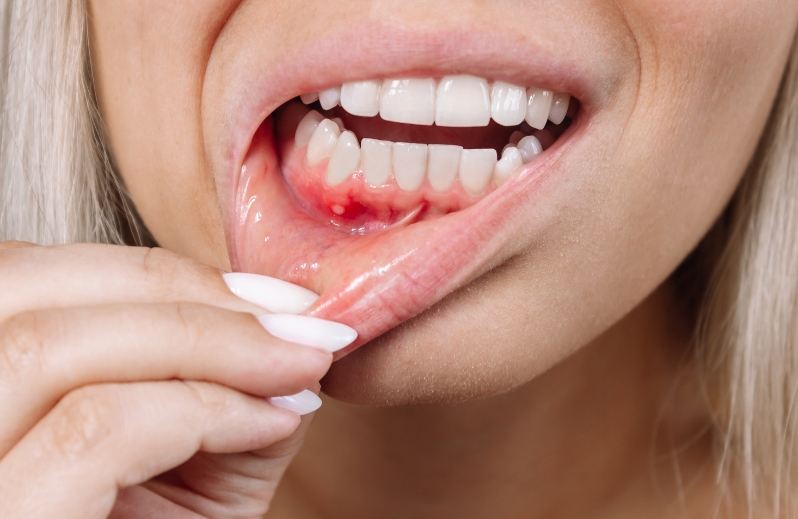
Gum disease is one of the most dangerous oral health risks associated with smoking. Tobacco weakens the immune system, making it harder for gums to fight bacterial infection.
As a result, smokers are significantly more likely to develop periodontal disease, a severe infection that damages the gums and bone supporting the teeth.
Signs of gum disease may include:
- Red or swollen gums
- Bleeding while brushing
- Gum recession
- Loose teeth
- Persistent bad taste in the mouth
Unfortunately, smoking can also mask symptoms. Because tobacco reduces blood flow, gums may not bleed as much, causing patients to overlook serious issues.
Smoking Slows Healing
Whether you need a tooth extraction, dental implant, or gum treatment, smoking can delay healing after dental procedures. Reduced oxygen levels and poor circulation make recovery slower and increase the risk of complications.
This is one reason many dentists strongly encourage patients to stop smoking before major dental treatment.
Increased Risk of Tooth Loss
Untreated gum disease eventually damages the bone supporting the teeth. Over time, teeth may loosen and fall out.
Research consistently shows that smokers are more likely to lose teeth compared to non-smokers. Tooth loss can affect:
- Chewing ability
- Speech clarity
- Facial appearance
- Confidence and self-esteem
Fortunately, early intervention from a dental professional can help preserve oral health before permanent damage occurs.
Smoking and Oral Cancer
One of the Most Serious Risks
Oral cancer is a potentially life-threatening condition strongly linked to tobacco use. Smoking and chewing tobacco expose the mouth to cancer-causing chemicals that can damage cells over time.
Areas commonly affected include:
- Tongue
- Lips
- Gums
- Throat
- Roof of the mouth
Warning signs may include:
- Mouth sores that do not heal
- White or red patches
- Difficulty swallowing
- Persistent sore throat
- Lumps inside the mouth
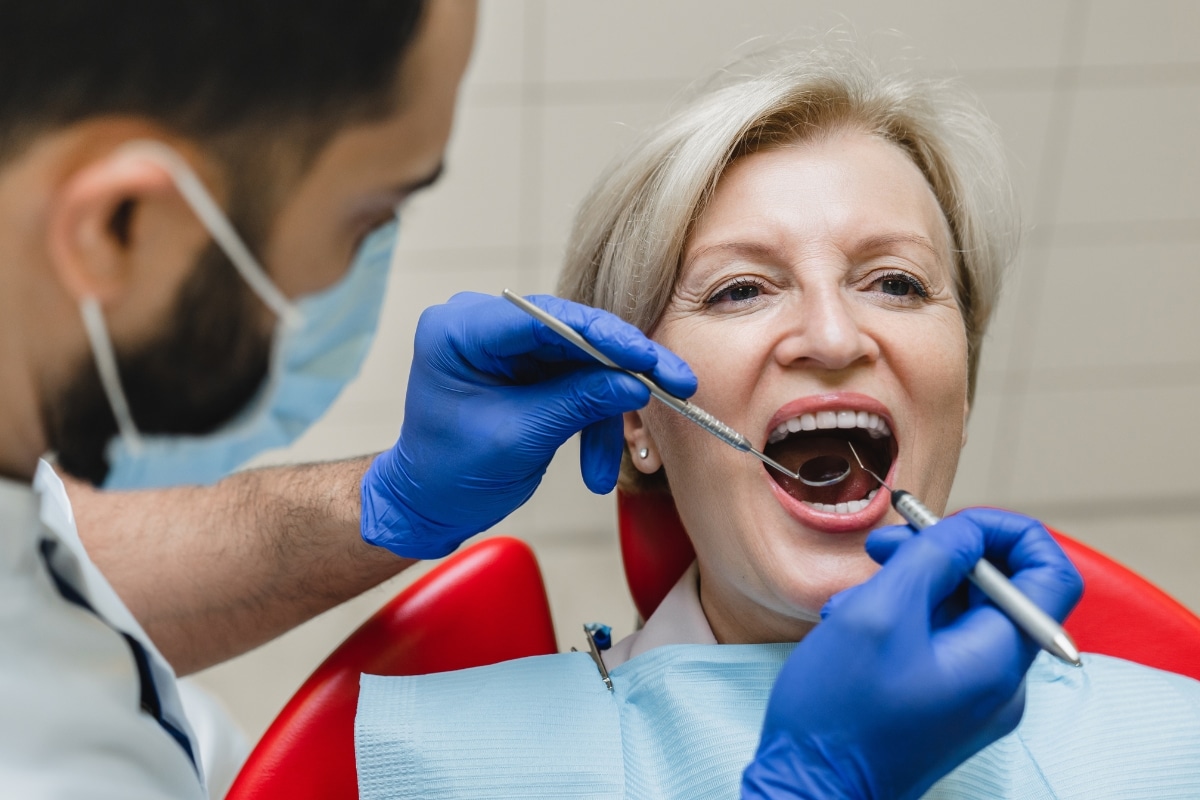
Routine dental visits are extremely important because dentists can often detect early warning signs before symptoms become severe.
How Smoking Affects Dental Treatments
Dental Implants
Smoking increases the risk of dental implant failure because healthy bone healing is essential for implant success.
Teeth Whitening
Professional whitening treatments may help improve stains temporarily, but continued smoking can quickly discolor teeth again.
Gum Treatments
Patients who smoke often experience slower recovery after deep cleanings or periodontal therapy.
This is why a Dentist Kyle may recommend reducing or quitting tobacco use to improve treatment outcomes.
Can Quitting Smoking Improve Oral Health?
Absolutely. The body begins healing surprisingly quickly after quitting smoking.
Benefits of quitting include:
- Fresher breath
- Healthier gums
- Lower risk of tooth loss
- Improved healing after dental work
- Reduced oral cancer risk
- Brighter smile
While some damage may require treatment, quitting tobacco at any stage can significantly improve oral and overall health.
Tips to Protect Your Oral Health if You Smoke
If quitting completely feels difficult, there are still steps you can take to reduce harm:
Maintain Excellent Oral Hygiene
Brush twice daily and floss every day to reduce plaque and bacteria buildup.
Visit Your Dentist Regularly
Routine cleanings and exams help detect problems early before they become serious.
Stay Hydrated
Smoking can cause dry mouth, which increases cavity risk. Drinking water helps keep the mouth moist.
Ask About Tobacco Cessation Support
Many dental professionals can recommend resources and strategies to help patients quit successfully.
How Kyle Parkway Dentistry Can Help
At Kyle Parkway Dentistry, patient education and preventive care are a priority. Whether you need a routine cleaning, gum evaluation, or restorative treatment, the team works closely with patients to improve long-term oral health.
Regular checkups allow dental problems related to smoking to be identified early, often before major damage occurs.
If you are concerned about the effects of smoking on your teeth or gums, schedule your appointment today to receive personalized care and guidance.
Common Questions Patients Ask
Can smoking cause cavities?
Yes. Smoking contributes to dry mouth and increased plaque buildup, both of which raise cavity risk.
Are vaping products safer for oral health?
Vaping may expose the mouth to fewer toxins than cigarettes, but it can still irritate gums, dry the mouth, and increase inflammation.
How often should smokers visit the dentist?
Many smokers benefit from dental cleanings and exams every six months or more frequently if gum disease is present.
Can stained smoker’s teeth become white again?
Professional dental cleanings and whitening treatments can improve stains, although severe discoloration may require cosmetic procedures.
Is it too late to quit smoking if dental damage already exists?
No. Quitting smoking at any stage can improve healing, lower disease risk, and help protect remaining teeth and gums.
Conclusion
Smoking places your oral health at serious risk, affecting everything from gum health to tooth stability and cancer risk. However, preventive care, early treatment, and healthier habits can make a major difference.
Working with an experienced Dentist Kyle allows you to monitor your oral health closely and address concerns before they worsen. At Kyle Parkway Dentistry, patients receive compassionate, patient-focused care designed to support healthier smiles for years to come.
Schedule your appointment today and take the first step toward protecting your smile and overall well-being.