
Why Your Jaw Pain Keeps Coming Back: Five Hidden Causes
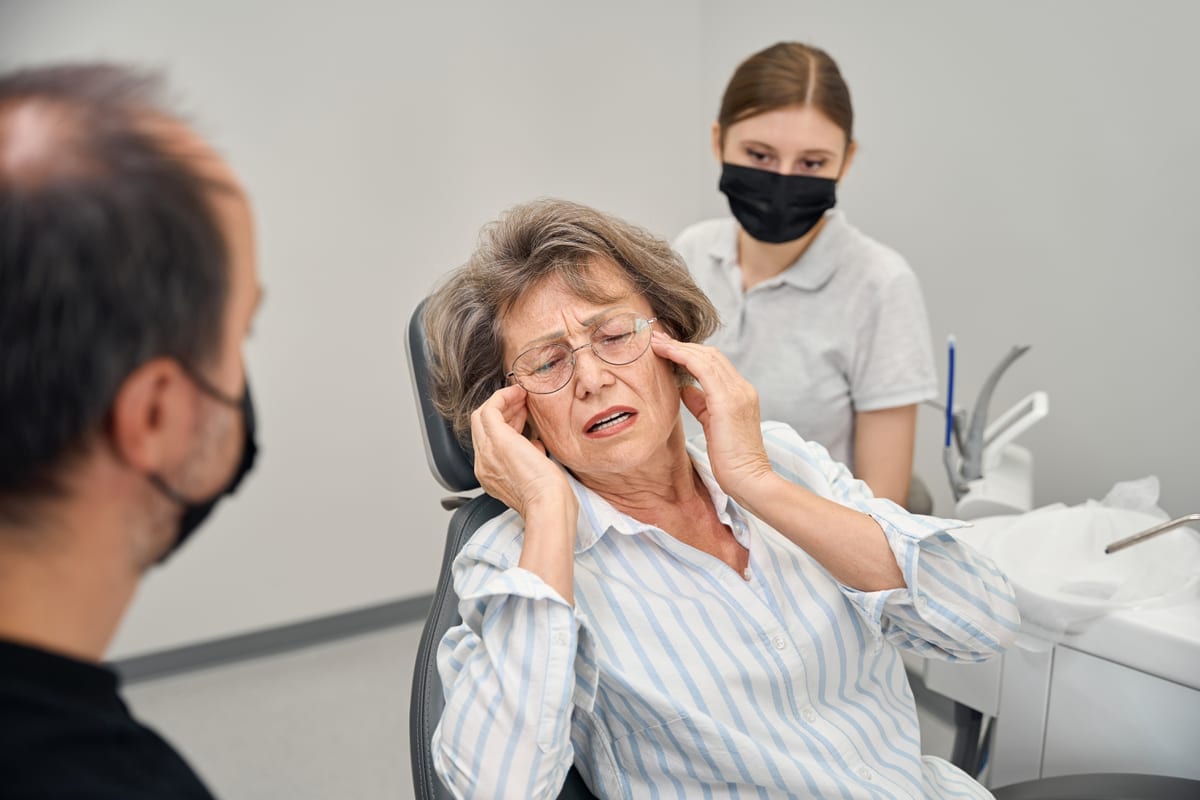
If you live in Kyle, TX, and your jaw pain never seems to fully go away, you are not alone. Many patients visit Kyle Parkway Dentistry frustrated and confused. They treat the pain, it fades, then it returns weeks later. Understanding why your jaw pain keeps coming back — and the five hidden causes in Kyle — is the first step toward real, lasting relief. Dr. Dholariya and our team see this pattern regularly, and there are clear reasons behind it.
What Is TMJ Disorder and Why Does It Linger?
TMJ stands for the temporomandibular joint. This small but complex joint connects your lower jaw to your skull. It controls chewing, speaking, and every mouth movement you make each day. When this joint becomes irritated or damaged, the pain can feel endless.
TMJ disorder is not a single condition. It is an umbrella term covering many different problems. That is exactly why jaw pain keeps coming back for so many people in Kyle. Treating only the symptom — without finding the root cause — means the problem never truly heals.
Identifying the correct cause allows Dr. Dholariya to create a treatment plan that actually works. Below, we break down the five most common hidden causes our patients experience.
Cause One and Two: Bruxism and Chronic Stress in Kyle
Bruxism means grinding or clenching your teeth. Most people do it at night without realizing it. Over time, this places enormous pressure on the TMJ and surrounding muscles.
The connection between bruxism and stress is very strong. Kyle is a fast-growing city, and many residents commute, manage demanding jobs, or juggle busy family schedules. That daily stress often shows up physically — in your jaw. When stress hormones rise, jaw muscles tighten involuntarily. This creates a cycle that is hard to break without professional guidance.
Common signs of bruxism-related TMJ pain include:
- Waking up with a sore or stiff jaw
- Frequent morning headaches near the temples
- Teeth that look worn, chipped, or flattened
- Facial muscle tenderness throughout the day
Dr. Dholariya often recommends a custom night guard for bruxism patients. This small appliance cushions the teeth and reduces joint stress while you sleep. Managing stress through healthy habits also plays a major role in recovery.
Cause Three: Bite Misalignment
Your bite refers to how your upper and lower teeth fit together. When this alignment is off, your jaw must compensate with every single bite and chew. Over months and years, that compensation creates chronic tension in the TMJ.
Bite misalignment can develop gradually. It sometimes follows tooth loss, shifting teeth, or dental work that was not perfectly calibrated. Many patients do not know their bite is uneven until Dr. Dholariya examines them.
Correcting a misaligned bite can involve several approaches. Orthodontic treatment like Invisalign can shift teeth into better positions. Dental restorations such as crowns and bridges can also restore proper bite height and function. Addressing this hidden cause often brings significant relief to long-term TMJ sufferers.
If you have experienced tooth loss and are exploring replacement options, you may want to ask about Implant Dentures In Kyle Buda South Austin Kyle. Restoring missing teeth properly can play a direct role in correcting bite alignment and reducing TMJ strain.
Cause Four: Arthritis in the Jaw Joint
Many people associate arthritis with knees or hands. However, the TMJ is a synovial joint — the same type of joint affected by osteoarthritis and rheumatoid arthritis. Arthritis inside the jaw joint is more common than most people expect.
Osteoarthritis causes the cartilage inside the joint to wear down over time. Rheumatoid arthritis triggers inflammation that damages joint tissue directly. Both forms can lead to persistent, recurring jaw pain that worsens with activity.
Signs that arthritis may be contributing to your TMJ pain include:
- A clicking, grinding, or popping sound when you open your mouth
- Pain that worsens in cold or damp weather
- Gradual reduction in how wide you can open your jaw
- Swelling or tenderness directly in front of your ear
Dr. Dholariya works closely with patients experiencing arthritic TMJ symptoms. Treatment focuses on reducing inflammation, protecting remaining joint tissue, and improving daily comfort. Early intervention makes a meaningful difference in long-term outcomes.
Cause Five: Past Jaw Injury
A previous injury to the jaw can quietly cause problems years after the original trauma heals. Sports impacts, car accidents, falls, and even certain dental procedures can stress or misalign the TMJ. The joint may seem to recover fully — then pain resurfaces later.
Past injuries change how the joint moves and how surrounding muscles compensate. Scar tissue, altered joint mechanics, and muscle imbalances all contribute to recurring pain. Patients sometimes forget to mention old injuries because they seem irrelevant. In reality, they are often the most important piece of the puzzle.
If you have a history of jaw or facial trauma, always mention it during your consultation. Dr. Dholariya takes a thorough health history for exactly this reason. Connecting past events to current symptoms allows for far more accurate diagnosis and treatment.
Patients who have lost teeth due to past trauma may also benefit from exploring Dental Implants Kyle as part of a comprehensive jaw rehabilitation plan. Replacing missing teeth restores proper bite function and reduces compensatory strain on the TMJ.
How TMJ Treatment at Kyle Parkway Dentistry Works
At Kyle Parkway Dentistry, Dr. Dholariya takes a thorough, individualized approach to TMJ care. No two patients experience jaw pain the same way. Treatment begins with a detailed examination, including bite analysis and a review of your symptoms and history.
Depending on the root cause identified, treatment options may include:
- Custom night guards to reduce bruxism-related stress
- Orthodontic solutions to correct bite misalignment
- Restorative dental work to restore proper tooth height and function
- Anti-inflammatory therapies and muscle relaxation techniques
- Referrals to specialists when arthritis or complex injury is involved
The goal is always to address the source of your pain — not just manage the symptoms temporarily. Many Kyle patients find significant, lasting improvement with the right treatment plan.
Conclusion: Stop the Cycle of Returning Jaw Pain
Jaw pain that keeps coming back is not something you have to accept as a normal part of life. Whether the cause is bruxism, stress, bite misalignment, arthritis, or an old injury, there is a path to real relief. Dr. Dholariya and the team at Kyle Parkway Dentistry are here to help Kyle, TX residents find that path. Book Now to schedule your appointment with our team.
Frequently Asked Questions
What is the most common cause of recurring jaw pain in adults?
Bruxism — grinding or clenching the teeth — is one of the most common hidden drivers of recurring TMJ pain. Many people do it during sleep without knowing it. Stress often makes bruxism worse, creating a difficult cycle to break without professional help.
Can a misaligned bite really cause chronic jaw pain?
Yes, absolutely. When your upper and lower teeth do not fit together correctly, your jaw muscles and joints compensate with every chew and bite. Over time, this repeated strain leads to persistent TMJ pain. Correcting the bite often brings significant and lasting relief.
How does Dr. Dholariya diagnose the cause of TMJ pain?
Dr. Dholariya performs a comprehensive examination that includes bite analysis, a review of your dental and health history, and a physical assessment of the jaw joint and surrounding muscles. Identifying the specific root cause is essential before recommending any treatment plan.
Is jaw pain after an old injury still treatable years later?
Yes, old jaw injuries can absolutely be treated even years after the original trauma. The joint mechanics and muscle patterns established after an injury can be assessed and addressed. Many patients experience meaningful improvement after proper diagnosis and targeted TMJ treatment.
When should I see a dentist about my jaw pain in Kyle, TX?
You should schedule an appointment if your jaw pain has lasted more than a few weeks, keeps returning after temporary relief, or is accompanied by clicking sounds, limited jaw movement, or morning headaches. Early evaluation at Kyle Parkway Dentistry can prevent the condition from worsening over time.