Veneers vs. Bonding: Which Smile Fix Is Right for You
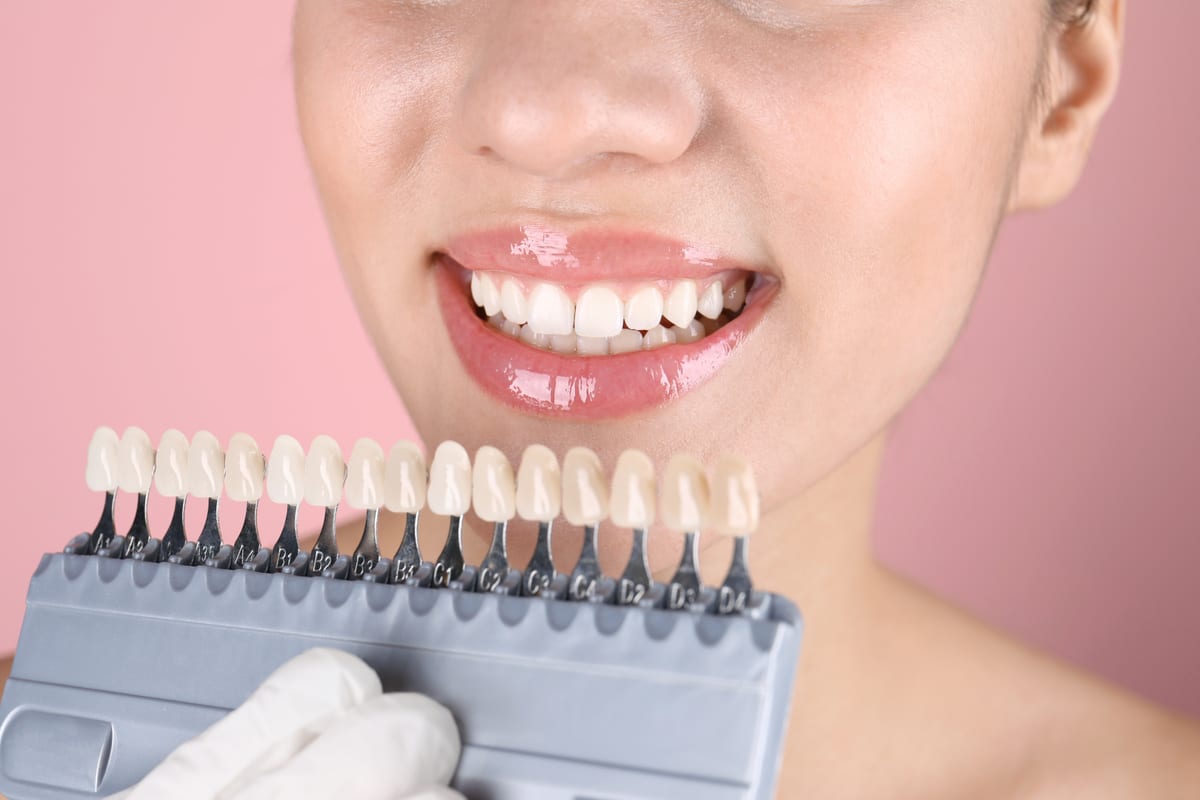
Wondering about veneers vs. bonding and which smile fix is right for you in Kyle? You are not alone. Many patients at Kyle Parkway Dentistry come in unsure which cosmetic option fits their goals. Both treatments can dramatically improve your smile. But they work differently, cost differently, and last different amounts of time.
Understanding the differences helps you make a confident, informed choice. Dr. Dholariya and the team are here to walk you through both options clearly and honestly. Let’s break it all down so you can decide what works best for your smile and your life.
What Are Veneers and How Do They Work in Kyle?
Veneers are thin porcelain or composite shells bonded to the front of your teeth. They cover chips, stains, gaps, and uneven shapes effectively. Porcelain veneers look extremely natural and resist staining well over time. They require some enamel removal before placement, making the process permanent.
Composite veneers are a less invasive alternative to traditional porcelain. They involve less enamel reduction and cost less upfront. However, they do not last as long as porcelain options. Your dentist applies composite resin directly to the tooth surface in a single visit.
Veneers are ideal for patients who want a complete smile transformation. They work best for multiple teeth with consistent cosmetic concerns. They are a long-term investment in your confidence and appearance.
What Is Dental Bonding and When Does It Make Sense?
Dental bonding uses tooth-colored composite resin to reshape or repair a tooth. The dentist sculpts and polishes the resin directly onto your tooth. No lab work is required, so bonding is usually completed in one appointment. It is one of the most affordable and accessible cosmetic dental options available.
Bonding works best for minor repairs and isolated concerns. It is a great choice for chipped teeth, small gaps, or slight discoloration. It requires little to no enamel removal, making it a reversible option. That is a major advantage for patients who are not ready for a permanent change.
Bonding does stain over time with coffee, tea, and red wine. It typically lasts three to seven years with proper care. Touch-ups or replacements are straightforward and relatively affordable.
Veneers vs. Bonding: A Head-to-Head Comparison
When comparing these two options side by side, several key factors stand out. Cost, longevity, invasiveness, and final results all play a role. Here is a quick breakdown to help you see the differences clearly.
- Cost: Bonding is typically less expensive per tooth than porcelain veneers.
- Longevity: Veneers last 10 to 20 years; bonding lasts 3 to 7 years on average.
- Invasiveness: Veneers require enamel removal; bonding usually does not.
- Appearance: Porcelain veneers offer a more polished, lifelike finish than bonding.
- Stain resistance: Porcelain resists stains better than composite resin used in bonding.
- Treatment time: Bonding takes one visit; veneers often require two or more appointments.
- Reversibility: Bonding is reversible; traditional veneer placement is permanent.
Neither option is universally better than the other. The right choice depends entirely on your specific goals, budget, and dental health. A personalized consultation with Dr. Dholariya helps clarify the best path forward for you.
How to Choose the Right Option for Your Smile Goals
Start by asking yourself what bothers you most about your smile. Is it one chipped tooth, or do you want to overhaul multiple teeth? Bonding handles isolated repairs quickly and affordably. Veneers deliver a more dramatic, uniform transformation across your smile.
Consider your lifestyle as well. If you drink a lot of coffee or wine, bonding may stain faster. Porcelain veneers hold up better against discoloration long-term. That longevity makes them a stronger investment for many patients.
Also think about your readiness for a permanent procedure. Bonding suits patients who want flexibility. Veneers suit patients committed to a lasting cosmetic change. Either way, your dentist will never push you toward a treatment that does not fit your needs.
Some patients also explore tooth replacement options alongside cosmetic care. If you have missing teeth along with cosmetic concerns, your provider may mention Implant Dentures In Kyle Buda South Austin Kyle as a complementary solution. Comprehensive care often combines multiple treatments to achieve your ideal outcome.
What to Expect at Kyle Parkway Dentistry
At Kyle Parkway Dentistry, your consultation begins with a thorough smile assessment. Dr. Dholariya listens to your goals before recommending any treatment. Every recommendation is based on your oral health, tooth structure, and cosmetic wishes. You will never feel rushed or pressured during your visit.
Here is what the general process looks like when you visit us:
- A comprehensive exam and smile evaluation with Dr. Dholariya.
- A detailed discussion of your cosmetic goals and concerns.
- A personalized treatment plan outlining your options and expected results.
- Treatment scheduling at a pace that works for your timeline and budget.
For patients considering long-term dental solutions, we also offer Dental Implants Kyle alongside cosmetic services. Our goal is to support your whole smile, not just one isolated concern. We want every patient to leave feeling confident and cared for.
Our team proudly serves the growing Kyle, TX community with compassionate, high-quality dental care. Whether you need a small repair or a full smile refresh, we are here for you. Dr. Dholariya brings both skill and warmth to every patient interaction.
Conclusion: Your Smile, Your Choice
Deciding between veneers and bonding does not have to feel overwhelming. Both options offer real, meaningful improvements to your smile. The best choice depends on your goals, your timeline, and your dental health. Dr. Dholariya is here to help you make that decision with confidence and clarity in Kyle, TX. Book Now to schedule your appointment with our team.
Frequently Asked Questions
Are veneers or bonding better for a chipped front tooth?
Dental bonding is usually the first choice for a single chipped tooth. It is quick, affordable, and requires little to no enamel removal. Veneers are better suited when you want to improve multiple teeth at once or need a longer-lasting solution.
How long does dental bonding last compared to veneers?
Dental bonding typically lasts three to seven years before it needs touch-ups or replacement. Porcelain veneers can last ten to twenty years with proper care. Longevity depends on your oral hygiene habits and lifestyle factors like diet and teeth grinding.
Is the veneer procedure painful?
Most patients experience little to no discomfort during veneer placement. Local anesthesia is used during enamel preparation to keep you comfortable. Some mild sensitivity after the procedure is normal but typically resolves within a few days.
Can dental bonding be whitened if it stains?
Composite resin used in bonding does not respond to traditional whitening treatments. If bonding becomes discolored, your dentist can polish or replace it. To avoid staining, limit coffee, tea, and wine, and maintain consistent oral hygiene.
How do I know which option is right for me in Kyle?
The best way to find out is through a personalized consultation with Dr. Dholariya at Kyle Parkway Dentistry. Your dentist will evaluate your teeth, discuss your goals, and recommend the most suitable treatment. Every smile is different, and your plan should reflect your unique needs.