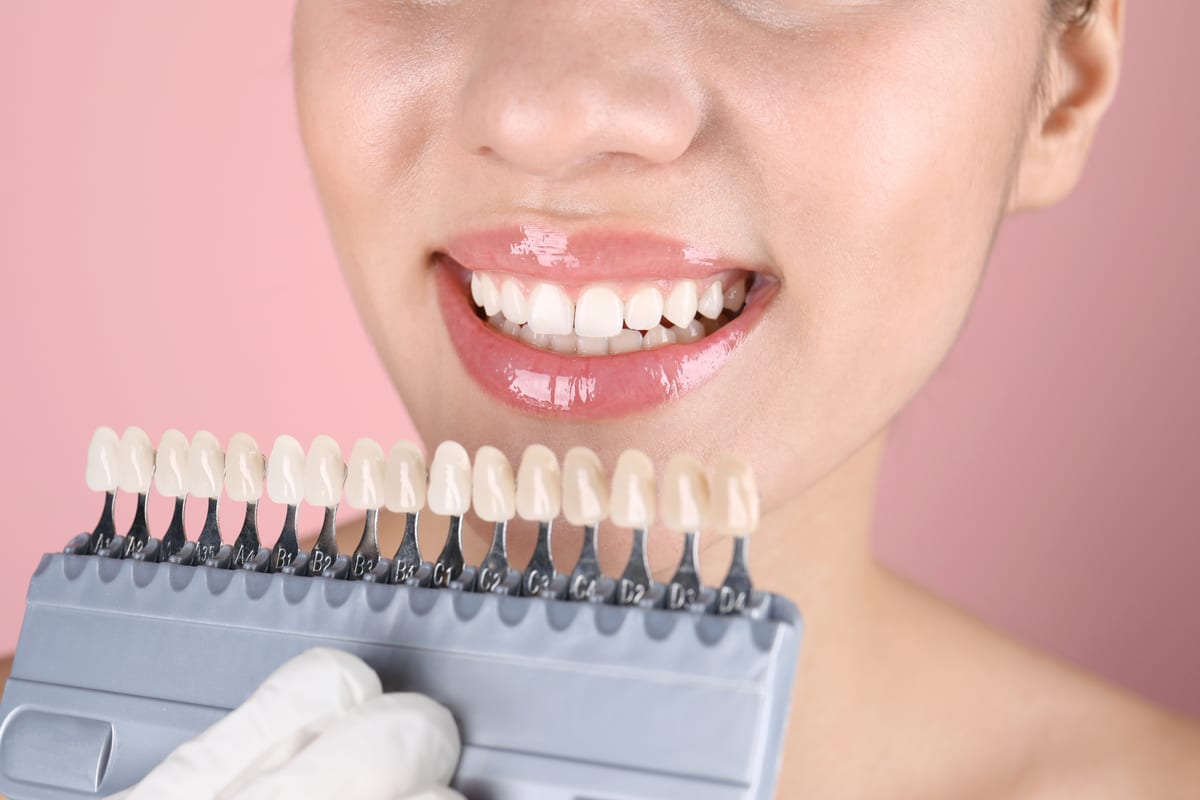

Is Teeth Whitening Safe for Your Enamel and Gums?
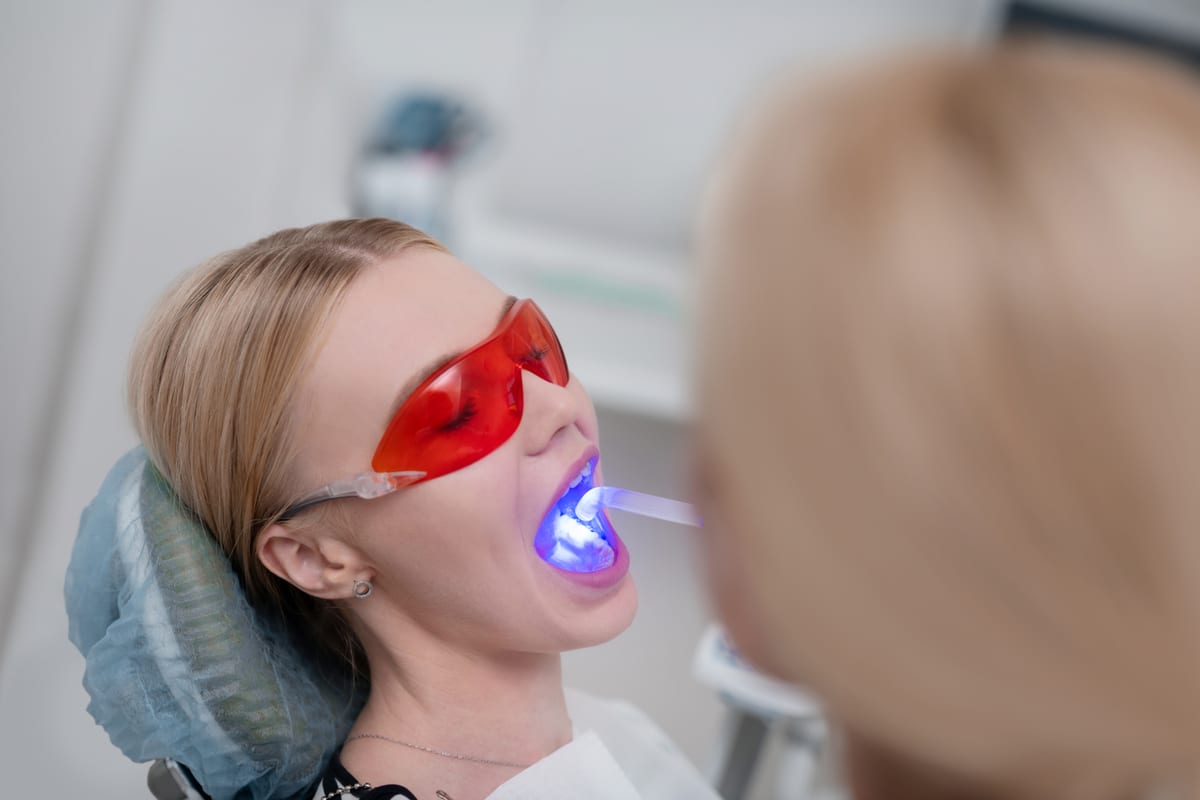
Many patients in Kyle, TX ask the same question before trying any whitening product: is teeth whitening safe for your enamel and gums? It is a fair and important question. Whitening treatments have become widely available — from professional in-office procedures to drugstore strips. Understanding what these products actually do to your teeth helps you make an informed decision. Dr. Dholariya and the team at Kyle Parkway Dentistry want every patient to have the facts.
How Teeth Whitening Works and What It Does to Enamel
Most whitening products use hydrogen peroxide or carbamide peroxide as the active ingredient. These chemicals penetrate the outer enamel layer and break apart stain molecules beneath the surface. The process is chemical, not abrasive — it does not scrub away enamel like sandpaper.
That said, concentration and exposure time matter greatly. Higher peroxide concentrations used for longer periods can temporarily weaken enamel structure. Research shows this effect is usually reversible. Saliva helps remineralize enamel after treatment, restoring much of its strength over time.
The key word here is temporary. When whitening is done correctly and at appropriate intervals, enamel damage is minimal. Overusing whitening products is where real problems begin. This is why professional guidance from a dentist in Kyle is so valuable before you start any treatment.
Is Teeth Whitening Safe for Your Gums in Kyle?
Gum sensitivity is one of the most common side effects patients report after whitening. The peroxide gel can irritate soft gum tissue, especially if it comes into contact with the gumline for extended periods. This irritation usually resolves within a day or two after treatment ends.
Professional whitening treatments use custom-fitted trays or protective barriers to minimize gel contact with gum tissue. Over-the-counter strips and generic trays do not fit precisely. They allow peroxide to seep onto the gums more easily, increasing the risk of irritation and chemical burns in sensitive patients.
Some patients experience what dentists call gingival blanching — a temporary whitening of the gum tissue. This looks alarming but is not usually harmful. It fades quickly. However, repeated exposure to strong peroxide on gum tissue is not advisable, especially for patients with existing gum disease or periodontal concerns.
Who Should Avoid or Delay Teeth Whitening?
Teeth whitening is not appropriate for everyone. Certain conditions make whitening risky or ineffective. Knowing where you fall helps you avoid unnecessary discomfort or wasted effort.
Patients who should pause or avoid whitening include:
- Those with untreated cavities or cracked enamel — peroxide can penetrate damaged areas and cause sharp pain
- Patients with active gum disease or significant gum recession
- Pregnant or nursing women, as a precaution
- Children and teenagers whose enamel is still developing
- Patients with severe tooth sensitivity that is already present
- Those with dental restorations like crowns, veneers, or bonding — whitening agents do not change the color of artificial materials
If you have any of the above conditions, your dentist should address them first. Whitening after proper treatment is safer and often more effective. Skipping this step frequently leads to uneven results and unnecessary pain.
Professional Whitening vs. Over-the-Counter Products: A Safety Comparison
Not all whitening options carry the same level of safety. The differences between professional and store-bought products are significant. Here is a clear breakdown of what separates them:
- Peroxide concentration: Professional treatments use higher concentrations under controlled conditions. Store products use lower concentrations that require much longer exposure to achieve similar results.
- Custom fit: Dentist-provided trays are made from impressions of your teeth. Generic trays often allow gel to pool near the gums.
- Professional assessment: A dentist checks for cavities, gum health, and enamel integrity before treatment begins. No such check happens with a drugstore kit.
- Supervised duration: Professional treatments follow timed protocols. DIY products are often left on longer than recommended by patients seeking faster results.
- Post-treatment care: Dentists provide remineralization recommendations after whitening. Store kits offer no follow-up support.
The safest path is always to begin with a professional evaluation. A dentist can confirm whether whitening is appropriate for you right now and recommend the method best suited to your enamel and gum health.
What to Expect During and After a Professional Whitening Treatment
Knowing what happens during treatment helps reduce anxiety and set realistic expectations. Here is a general overview of the professional whitening process at a dental office:
- Your dentist examines your teeth and gums to confirm you are a good candidate.
- A protective barrier or custom-fitted tray is placed to shield the gums from the whitening gel.
- The whitening agent is applied to the tooth surface for a set amount of time.
- The gel is removed and your teeth are rinsed thoroughly.
- Your dentist may recommend a fluoride treatment to help remineralize enamel immediately after.
Mild sensitivity in the hours following treatment is normal. Avoiding extremely hot or cold foods and drinks for 24 to 48 hours helps manage this discomfort. Most patients find the sensitivity completely gone within two days.
Results vary based on the original shade of your teeth and the type of staining present. Intrinsic stains — those formed inside the tooth — respond differently than surface stains from coffee or wine. Your dentist will give you an honest assessment of the results you can realistically expect.
Maintaining Your Results Without Damaging Your Teeth
Whitening results are not permanent. Most professional treatments last anywhere from six months to two years depending on diet and habits. Keeping results looking their best does not have to mean constant re-treatment.
Simple steps that help protect your investment include avoiding dark beverages like coffee, tea, and red wine immediately after treatment. Using a straw reduces direct contact with tooth surfaces. Brushing twice daily with a gentle, non-abrasive toothpaste also helps maintain brightness without wearing down enamel.
Regular teeth cleanings at Kyle Parkway Dentistry remove surface staining before it sets deeply. This extends the life of whitening results and keeps your overall oral health on track. Combining good home habits with professional care is the most effective long-term strategy.
Conclusion
Teeth whitening, when done correctly, is generally safe for most healthy adults. The risks to enamel and gums are real but manageable with professional guidance. Patients with existing dental concerns should address those issues first before pursuing any whitening treatment. Dr. Dholariya and the Kyle Parkway Dentistry team are here to help you understand every step of the process — so you never have to guess. Book Now to schedule your appointment with our team.
Frequently Asked Questions
Does teeth whitening permanently damage enamel?
No, professional teeth whitening does not permanently damage enamel when used as directed. Research shows that temporary changes to enamel structure after whitening are reversible. Saliva naturally remineralizes enamel in the days following treatment. Overuse of high-concentration products, however, can cause cumulative harm over time.
Why do my teeth feel sensitive after whitening?
Sensitivity after whitening happens because peroxide temporarily opens tiny pores in the enamel, exposing the inner dentin layer. This makes teeth more reactive to temperature changes. The sensation usually fades within 24 to 48 hours. Using a fluoride toothpaste or remineralizing gel can speed up recovery.
Can I whiten my teeth if I have crowns or dental bridges?
Whitening agents do not change the color of artificial dental materials like crowns, veneers, or bridges. Whitening your natural teeth while leaving restorations unchanged can create noticeable color mismatches. Talk to Dr. Dholariya before whitening if you have existing dental work. A personalized plan will help you achieve a more even result.
How often is it safe to whiten my teeth?
Most dentists recommend professional whitening no more than once or twice per year for healthy patients. Whitening too frequently does not allow enamel adequate time to remineralize. Between treatments, touch-up trays used sparingly can help maintain your shade without over-exposing your teeth to peroxide.
Is whitening toothpaste a safe daily alternative?
Whitening toothpastes are generally safe for daily use, but they work differently from peroxide-based treatments. Most use mild abrasives or low-level chemicals to remove surface stains rather than bleach deeper discoloration. They are effective for maintenance but will not significantly change the base shade of your teeth. Ask Dr. Dholariya which product is appropriate for your enamel type.