
Dentures Kyle: A Step-by-Step Guide to Your Appointment
Dentures Kyle: A Step-by-Step Guide to Your Appointment
Choosing dentures represents a significant decision for your oral health and quality of life. Many patients feel anxious about their first dentures appointment because they don’t know what to expect. At Kyle Parkway Dentistry, Dr. Dholariya and our team believe that understanding each step of the process helps ease concerns and builds confidence.
This comprehensive guide walks you through your dentures Kyle appointment from the moment you arrive until you leave with a clear aftercare plan. We’ll explore what you’ll see, hear, and feel during each stage. Whether you’re considering full or partial dentures, this step-by-step overview prepares you for a comfortable experience.
As graduation season approaches in Kyle and families prepare for summer activities, restoring your smile can give you confidence for all those upcoming photos and celebrations. Let’s explore exactly what happens during your dentures consultation and fitting appointments.
Arriving at Kyle Parkway Dentistry for Your Dentures Kyle Consultation
Your first dentures appointment begins the moment you walk through our doors. Our reception team greets you warmly and helps you complete any remaining paperwork. You’ll notice our comfortable waiting area designed to help you relax before your consultation.
During check-in, you’ll receive a brief health questionnaire. This form asks about your medical history, current medications, and any allergies. Providing complete information helps Dr. Dholariya create the safest treatment plan for your specific needs.
The waiting period typically lasts just a few minutes. Many patients appreciate having time to review educational materials about denture options. Our team understands that this decision feels overwhelming, so we encourage questions from the very start.
Soon, a team member escorts you to the consultation room. The space features comfortable seating and natural lighting. You’ll see dental models and visual aids that help explain the dentures process clearly.
The Initial Consultation: Understanding Your Needs
Dr. Dholariya begins by listening to your concerns and goals. This conversation covers why you’re considering dentures and what you hope to achieve. Some patients need dentures due to extensive decay, while others face gum disease or tooth loss from injury.
Your oral examination comes next. Dr. Dholariya carefully assesses your remaining teeth, gums, and jaw structure. You’ll feel gentle pressure as the dentist checks for bone density and tissue health. This examination doesn’t cause discomfort but provides essential information for planning.
Digital imaging follows the physical exam. Modern technology captures detailed pictures of your mouth structure. You might hear the quiet hum of imaging equipment and see images appear on a nearby screen. These visuals help you understand your current oral health status.
Dr. Dholariya then discusses denture options suited to your situation. Full dentures replace all teeth in an arch, while partial dentures fill gaps between remaining healthy teeth. The dentist explains materials, aesthetics, and functional differences between options using easy-to-understand language.
This stage includes a discussion of the timeline. Most denture journeys involve multiple appointments spread across several weeks. Understanding this schedule helps you plan around work, family commitments, and those end-of-school activities that fill calendars this time of year in Kyle.
Taking Impressions and Measurements
If you decide to proceed with dentures, the next major step involves taking precise impressions of your mouth. This process creates a custom blueprint for dentures that fit your unique oral structure perfectly.
The impression-taking begins with a special tray filled with soft, putty-like material. Dr. Dholariya or a skilled team member places this tray gently into your mouth. You’ll feel the cool, slightly squishy texture against your gums and remaining teeth.
The material sets within a few minutes. During this time, you’ll need to stay still and breathe through your nose. Some patients feel a slight gagging sensation, but our team uses techniques to minimize discomfort. The process moves quickly to keep you comfortable.
Once the impression material hardens, the tray is carefully removed. You might hear a slight suction sound as it releases. The resulting impression captures every contour and detail of your mouth structure.
Additional measurements follow the impression stage. Dr. Dholariya records the relationship between your upper and lower jaws. These measurements ensure your new dentures will align properly for comfortable chewing and natural appearance.
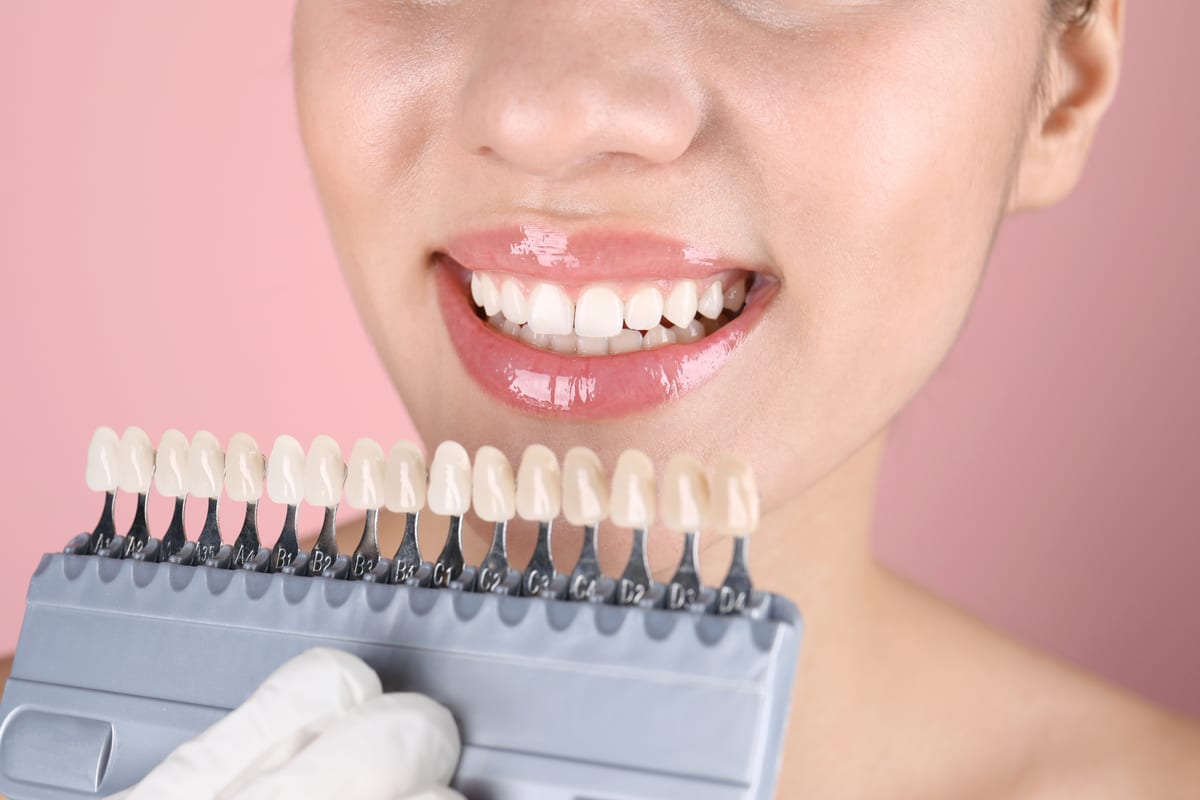
Color selection represents an enjoyable part of this appointment. You’ll choose the shade of your denture teeth from samples that match natural tooth colors. Dr. Dholariya helps you select a color that looks natural with your skin tone and facial features.
The Try-In Appointment: Seeing Your Future Smile
Several weeks after impressions, you return for a try-in appointment. The dental laboratory has created a wax model of your dentures based on your impressions. This temporary version allows adjustments before final fabrication.
When you first see the wax dentures, you’ll notice they look quite realistic. Dr. Dholariya places them carefully in your mouth. You’ll feel their presence immediately as they rest against your gums.
This appointment focuses on fit, function, and appearance. You’ll be asked to bite down, move your jaw, and even try speaking a few words. These actions reveal whether adjustments are needed for comfort or functionality.
Looking in the mirror during this appointment gives you a preview of your new smile. Many patients feel emotional seeing their restored appearance. Dr. Dholariya welcomes your feedback about tooth size, shape, and color at this stage.
Minor adjustments can be made during this visit. The dentist might adjust the bite, change tooth positioning slightly, or modify the gum-colored base. These tweaks ensure your final dentures will look and feel exactly right.
Receiving Your Final Dentures
Your final appointment arrives after the laboratory completes your permanent dentures. Walking into Kyle Parkway Dentistry this time, you’ll likely feel excited and perhaps a bit nervous about this life-changing moment.
Dr. Dholariya carefully places your completed dentures for the first time. The acrylic feels smooth and cool against your gums. You’ll immediately notice the weight and presence of your new teeth, which feels different than your natural teeth did.
The dentist checks the fit thoroughly, making minor adjustments as needed. You’ll practice removing and inserting the dentures yourself under guidance. This skill requires practice but becomes easier quickly.
Speaking with your new dentures takes adjustment. Your tongue needs to adapt to the changed space in your mouth. Dr. Dholariya might ask you to read a few sentences aloud to assess speech clarity.
Before you leave, our team provides detailed aftercare instructions. You’ll learn proper cleaning techniques, storage methods, and what to expect during the adjustment period. These guidelines are crucial for your dentures’ longevity and your oral health.
Navigating the Adjustment Period and Follow-Up Care
The first few weeks with dentures involve an adaptation process. Your mouth needs time to adjust to these new appliances. Understanding what’s normal helps you stay comfortable and confident during this transition.
Initial challenges often include increased saliva production. Your mouth interprets the dentures as food initially, triggering more saliva. This response typically subsides within a few days as your mouth recognizes the dentures as permanent fixtures.
Eating requires practice and patience. Start with soft foods cut into small pieces. Chew slowly using both sides of your mouth to keep dentures stable. Avoid sticky or extremely hard foods during the first few weeks.
Speaking clearly takes practice too. Reading aloud at home helps your tongue and muscles adapt. Many patients find that within a week or two, their speech sounds completely natural again.
Mild soreness or sensitive spots sometimes develop during the adjustment period. These areas usually resolve as your gums toughen slightly. However, persistent sore spots need professional attention to prevent ulcers.
Kyle Parkway Dentistry schedules follow-up appointments to monitor your adjustment. Dr. Dholariya checks for pressure points, ensures proper fit, and makes any necessary modifications. These visits provide opportunities to ask questions as they arise.
The hot, humid climate in Kyle means proper denture hygiene becomes especially important. Bacteria thrive in warm, moist environments. Daily cleaning prevents odors, staining, and potential infections.
Daily Denture Care Essentials
- Remove and rinse dentures after eating to clear food particles
- Brush dentures daily with a soft-bristled brush and non-abrasive denture cleaner
- Soak dentures overnight in a cleaning solution to maintain shape and cleanliness
- Rinse dentures thoroughly before placing them back in your mouth
- Clean your gums, tongue, and palate with a soft brush each morning
Signs to Schedule an Adjustment Appointment
- Dentures feel loose or shift during eating or speaking
- Persistent sore spots that don’t heal within a few days
- Clicking sounds when eating or talking
- Visible cracks, chips, or damage to the denture material
- Changes in your bite or jaw alignment
Long-Term Success with Your Dentures
Dentures can last many years with proper care and regular professional maintenance. Your relationship with Kyle Parkway Dentistry continues beyond the initial fitting appointments. Regular check-ups ensure your dentures continue functioning optimally.
Annual evaluations allow Dr. Dholariya to assess wear patterns and overall fit. Your mouth structure changes gradually over time, which can affect how dentures fit. Sometimes relining or adjustments extend the life of your existing dentures.
Proper storage prevents warping and damage when dentures aren’t in your mouth. Always keep them moist by storing them in water or denture solution. Never use hot water, which can distort the acrylic material.
Your nutrition and overall health improve significantly with functional dentures. Being able to chew a variety of foods supports better digestion and nutrient absorption. Many patients report feeling healthier and more energetic after adjusting to dentures.
Confidence returns as you smile, laugh, and speak without self-consciousness. Whether you’re attending graduation ceremonies, celebrating Mother’s Day with family, or simply enjoying daily life in Kyle, your restored smile enhances every experience.
If you’re considering dentures or want to learn more about the process, our team at Kyle Parkway Dentistry is here to guide you. Dr. Dholariya combines technical expertise with genuine care for patient comfort. We invite you to visit our practice to see how we make dental care accessible and comfortable. Book Now to schedule your appointment with our team.
Frequently Asked Questions
How long does the complete dentures process take from start to finish?
The dentures process typically takes six to eight weeks from initial consultation to final delivery. This timeline includes multiple appointments for impressions, try-ins, and adjustments. Some cases require tooth extractions first, which extends the timeline to allow for healing. Dr. Dholariya provides a personalized timeline during your consultation based on your specific dental needs and health status.
Will dentures feel like my natural teeth?
Dentures feel different from natural teeth initially, but most patients adapt within a few weeks. Modern dentures are designed to be comfortable and functional. You’ll notice the presence of the appliance at first, especially when eating and speaking. With practice and minor adjustments, many patients report that dentures feel quite natural. The brain eventually processes them as part of your normal oral structure.
Can I sleep with my dentures in?
Most dentists recommend removing dentures at night to give your gum tissues time to rest and recover. Sleeping without dentures allows saliva to naturally cleanse your mouth and prevents bacterial buildup. However, some patients prefer wearing dentures 24 hours initially during the adjustment period. Dr. Dholariya provides personalized recommendations based on your comfort level and oral health needs.
How often do dentures need to be replaced?
Quality dentures typically last five to seven years with proper care and maintenance. Your mouth structure changes over time due to bone resorption, which can affect fit. Regular dental visits allow Dr. Dholariya to monitor these changes and recommend relining or replacement when necessary. Taking excellent care of your dentures and attending follow-up appointments extends their functional lifespan significantly.
What foods should I avoid with dentures?
Avoid extremely sticky foods like caramel or taffy that can dislodge dentures. Very hard foods such as nuts, hard candies, or ice can damage denture teeth or the acrylic base. Corn on the cob and whole apples should be cut into smaller pieces. Most patients can eventually eat a wide variety of foods with practice. Dr. Dholariya provides comprehensive dietary guidance during your denture delivery appointment.