
Dental Emergency Triage Guide in Buda, TX
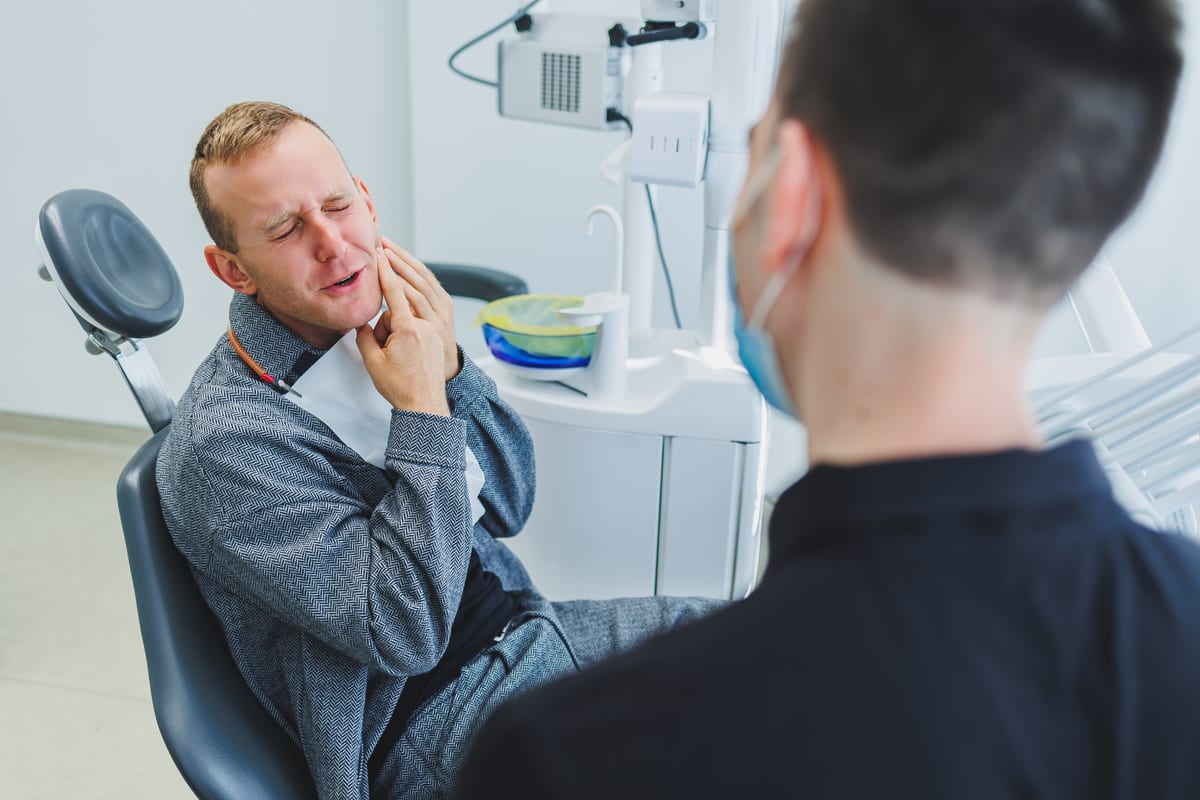
Tooth pain can strike at any moment. Sometimes it fades after an hour. Other times, it signals something serious. If you live in Buda and have ever asked, “Is your tooth pain really an emergency? A dentist’s triage guide Buda residents can trust” — this article is for you. Dr. Dholariya at Kyle Parkway Dentistry walks you through the key warning signs, so you can make a calm, informed decision fast.
Not every ache requires an urgent visit. But some symptoms demand same-day attention. Knowing the difference protects your health and saves you unnecessary stress.
What Counts as a True Dental Emergency in Buda?
A dental emergency is any situation where waiting causes serious harm. This includes uncontrolled bleeding, severe swelling, or sudden tooth loss. Pain alone can be misleading — but pain combined with other symptoms is a red flag.
Here are the situations that typically require emergency dental care right away:
- A knocked-out or fully displaced tooth — time is critical within 30–60 minutes
- Severe facial swelling — especially swelling near your jaw, neck, or eye
- Uncontrolled bleeding that does not stop after 15–20 minutes of firm pressure
- Intense, throbbing pain that no over-the-counter medication relieves
- A broken tooth with exposed nerve — sharp, shooting pain when touched or exposed to air
If you experience any of the above, contact our office immediately. These situations do not improve on their own.
Tooth Pain Triage: Is Your Situation Urgent or Can It Wait?
Most Buda patients fall somewhere in the middle. Their pain is real, but they are unsure whether to call right away or wait until morning. This is where triage thinking helps most.
Ask yourself these three questions quickly:
- Is the pain constant or intermittent? Constant, worsening pain signals a more serious issue.
- Do you have swelling, fever, or a bad taste? These point to possible infection.
- Did a trauma or injury cause this? Accidents often cause hidden damage beyond what you can see.
Intermittent mild aches — like sensitivity to cold — can often wait a day or two. But anything involving swelling, fever, or trauma should be evaluated promptly. When in doubt, call us and describe your symptoms. We will help you decide your next step.
Swelling, Bleeding, and Loose Teeth — Breaking Down Each Symptom
Different symptoms carry different urgency levels. Understanding each one helps you respond appropriately without panic.
Swelling: Facial or gum swelling often means infection. A dental abscess can spread quickly. Left untreated, it can become life-threatening. Swelling near your jaw or throat is an emergency — go to urgent care or an ER if our office is closed.
Bleeding: Minor bleeding after a tooth extraction is normal for up to 24 hours. Bite firmly on gauze and keep steady pressure. But spontaneous bleeding with no clear cause — especially with swelling — needs same-day attention.
Loose Tooth: Adult teeth should never feel loose. A loose permanent tooth is always a dental emergency. It could mean advanced gum disease, bone loss, or trauma. Our team may be able to save it if you act quickly.
Cracked or Broken Tooth: A small chip with no pain can wait for a scheduled visit. A crack that causes sharp pain when biting may have reached the nerve. In that case, you likely need a Dental Crowns evaluation or a root canal assessment.
When Pain Is NOT an Emergency — But Still Needs Attention
Some tooth discomfort is real but not immediately dangerous. Knowing this helps you avoid unnecessary panic — and unnecessary ER visits.
These situations are uncomfortable but typically not emergencies:
- Mild sensitivity to hot or cold that fades within seconds
- A lost filling or crown with no sharp pain or exposed nerve
- Mild gum tenderness around a specific tooth
- A slightly chipped tooth with no pain and smooth edges
Still, do not ignore these issues. They often signal the early stages of a larger problem. Scheduling a prompt appointment — within a few days — prevents them from becoming true emergencies.
It is also worth noting that untreated decay or gum disease can progress silently. Conditions that might eventually require care like Dental Implant Cost Kyle Buda And Austin research often start with symptoms that patients dismissed early on. Catching problems early is always the better path.
What to Do Before You Reach Our Office
Knowing basic first aid for dental emergencies makes a real difference. Here is what to do for common situations while you travel to see us.
Knocked-out tooth: Pick it up by the crown — never the root. Rinse gently with water. Try to place it back in the socket if possible. If not, keep it in milk or saliva. Get to our office within one hour.
Severe pain or abscess: Rinse with warm salt water. Take an over-the-counter pain reliever as directed. Apply a cold pack to your cheek — never directly to the tooth. Avoid heat, which can worsen swelling.
Broken or cracked tooth: Rinse your mouth with warm water. Save any broken pieces. Apply gauze if there is bleeding. Avoid chewing on that side until you are seen.
These steps do not replace professional care. They simply buy you time until Dr. Dholariya can assess and treat the problem properly.
Trust Your Instincts — And Call When You Are Unsure
If something feels wrong, it probably is. Buda patients often wait too long out of uncertainty or reluctance. Our team at Kyle Parkway Dentistry is here to help you make the right call. You never need to figure this out alone.
Dr. Dholariya and our team provide compassionate, prompt emergency dentistry for the Buda and Kyle communities. We take your pain seriously and work quickly to get you comfortable. Whether it is a true emergency or a concern that can wait, we will guide you honestly.
Do not let uncertainty keep you from getting the care you need. Book Now to schedule your appointment with our team.
Frequently Asked Questions
How do I know if my tooth pain is serious enough to call a dentist today?
If your pain is severe, constant, or accompanied by swelling, fever, or bleeding, call your dentist the same day. Mild or occasional sensitivity can often wait a day or two. When in doubt, it is always safer to call and describe your symptoms — your dental team can help you triage over the phone.
What should I do if my tooth gets knocked out?
Pick the tooth up by the crown and avoid touching the root. Rinse it gently with clean water. Try to reinsert it into the socket if possible, or keep it in milk or between your cheek and gum. Reach a dentist within 30 to 60 minutes for the best chance of saving the tooth.
Is facial swelling from a toothache dangerous?
Yes, facial swelling from a dental infection can become dangerous if it spreads. A dental abscess can travel to the jaw, neck, or airway. If you have significant swelling, especially with difficulty breathing or swallowing, seek emergency medical care immediately. Otherwise, contact your dentist right away for same-day treatment.
Can a cracked tooth wait for a regular appointment?
It depends on the severity. A minor chip with no pain can often wait a few days. A crack causing sharp pain when biting — or sensitivity that lingers after eating — may have reached the nerve and needs prompt evaluation. A dental crown or root canal treatment may be needed to resolve it.
What if my dental emergency happens after office hours?
If you experience life-threatening symptoms like difficulty breathing or severe spreading swelling, go to the nearest emergency room immediately. For other urgent dental concerns, leave a message with your dental office. Many practices, including Kyle Parkway Dentistry, have protocols to assist patients with after-hours emergencies.