
Dental Crowns vs. Veneers in Kyle, TX

If your dentist in Kyle has recommended a crown, you might wonder why not a veneer instead. Or maybe someone suggested veneers, and you’re unsure if a crown would serve you better. Understanding Crowns vs. Veneers: Why Your Dentist Recommends One Over the Other in Kyle starts with knowing what each restoration actually does. The choice isn’t about preference — it’s about clinical need.
What Are Dental Crowns and Veneers, Really?
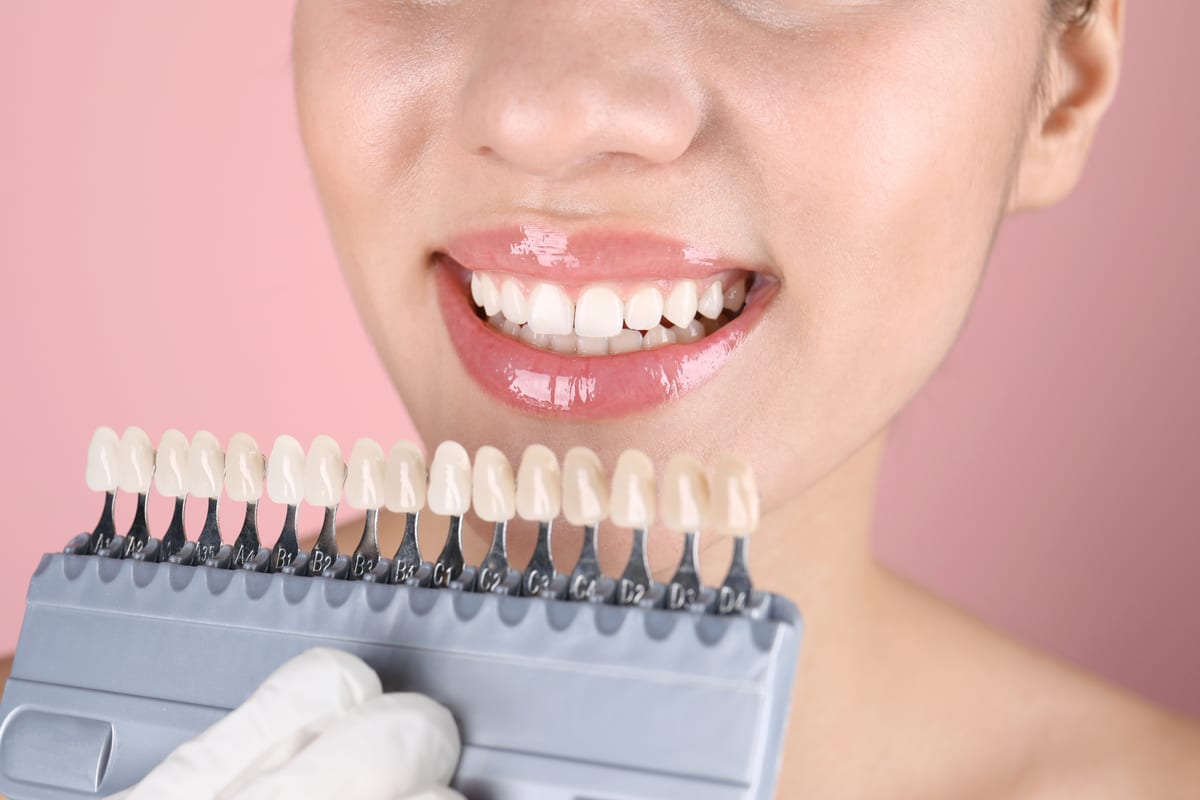
Both crowns and veneers are tooth-colored restorations. But they work very differently inside your mouth. A crown covers the entire visible tooth, all the way around. A veneer only covers the front surface of a tooth.
Crowns are typically made from porcelain, ceramic, or porcelain-fused-to-metal. They replace missing tooth structure and restore full function. Veneers are thin porcelain or composite shells bonded to the front of healthy enamel. They improve appearance without altering the tooth’s overall shape or strength.
Think of a crown like a helmet and a veneer like a contact lens. One protects and restores. The other refines and enhances.
When Your Kyle Dentist Recommends a Crown Over a Veneer
Dr. Dholariya recommends a crown when a tooth has significant structural damage. This includes large cavities, fractures, or teeth that have had root canal treatment. A veneer cannot protect a compromised tooth the way a crown can.
Here are the most common clinical reasons a crown is chosen:
- The tooth has lost more than half its natural structure
- A root canal has been completed, leaving the tooth brittle
- The tooth has a large, failing filling that needs full replacement
- There is a crack or fracture that extends beyond the front surface
- The tooth needs to anchor a Dental Bridges restoration
Crowns distribute bite force evenly across the whole tooth. This protects what remains of your natural tooth structure. Veneers are bonded only to the front face, so they can’t provide that same support.
Placing a veneer on a structurally weak tooth could lead to further damage. It’s not a safe option when the tooth’s integrity is already compromised.
When a Veneer Makes More Clinical Sense
Veneers are the right choice when the underlying tooth is healthy and strong. The goal in these cases is cosmetic correction, not structural repair. Your dentist will recommend a veneer when the problem is purely about appearance.
Common situations where veneers are clinically appropriate include:
- Permanent staining that doesn’t respond to whitening treatments
- Minor chips or cracks on the front surface only
- Small gaps or spacing between front teeth
- Slightly misshapen teeth that are otherwise healthy
- Mild crowding or unevenness in the smile line
Veneers require removing a thin layer of enamel — usually less than a millimeter. This is far less removal than what a crown requires. That means more of your natural tooth stays intact.
Once enamel is removed, the process is irreversible. Your dentist will only recommend veneers if the tooth can support the procedure without risk.
The Clinical Factors That Drive the Decision in Kyle
Dr. Dholariya evaluates several factors before recommending either restoration. No two cases are identical, and the decision is always based on your specific oral health. This is where clinical judgment matters most.
Key factors that influence the recommendation include:
- Tooth strength: Weak or heavily restored teeth need full coverage crowns
- Location in the mouth: Back teeth handle more bite pressure and usually need crowns
- Extent of damage: Surface-only issues suit veneers; deeper damage requires crowns
- Gum health: Periodontal concerns must be resolved before placing either restoration
- Patient goals: Functional restoration vs. cosmetic enhancement guides the choice
Front teeth used in smiling are more likely to receive veneers when they’re healthy. Molars and premolars almost always receive crowns due to chewing demands. Your bite pattern also plays a role in what will last long-term.
Patients who grind their teeth may not be good candidates for veneers. The thin porcelain shell can chip or fracture under grinding pressure. A crown handles that stress far better.
Cost, Longevity, and What to Expect During Treatment
Both restorations typically require two appointments at Kyle Parkway Dentistry. The first visit involves preparing the tooth and taking impressions. A temporary restoration protects the tooth between visits. The second visit places the permanent crown or veneer.
Crowns generally last 10 to 15 years or longer with good care. Veneers typically last 7 to 15 years depending on the material and bite habits. Longevity depends on oral hygiene and avoiding habits like nail biting or chewing ice.
If you’re exploring the full scope of restorative options, understanding Dental Implant Cost Kyle Buda And Austin is also helpful. Implants are often compared to crowns when a tooth is missing entirely. Knowing all your options helps you make the most informed decision.
Crowns typically cost more than veneers due to the complexity of the procedure. However, placing a veneer on a tooth that truly needs a crown will cost more in the long run. The right restoration the first time is always the most economical choice.
Frequently Asked Questions
Can I choose a veneer instead of a crown if I prefer it?
Your dentist will only recommend what is clinically safe for your tooth. If a crown is needed, a veneer won’t provide the structural protection required. Choosing the wrong restoration can lead to tooth failure or additional damage.
Do crowns look as natural as veneers?
Modern crowns are made from high-quality ceramic and porcelain materials. They are designed to match the color, shape, and translucency of your natural teeth. Most patients find it difficult to distinguish a well-made crown from a natural tooth.
How do I know if my tooth is strong enough for a veneer?
Dr. Dholariya will examine your tooth using X-rays and a clinical evaluation. If the enamel is intact and the tooth has no significant damage, a veneer may be appropriate. Your dentist will explain findings clearly before recommending any treatment.
Are veneers only for front teeth?
Veneers are almost always placed on front teeth that are visible when smiling. Back teeth handle too much chewing pressure for a thin veneer to withstand. Crowns are the standard restoration for molars and premolars.
How long does it take to get a crown or veneer at Kyle Parkway Dentistry?
Both restorations typically take two appointments spaced one to two weeks apart. The first visit prepares the tooth and captures precise impressions. The second visit bonds the final restoration permanently in place.
At Kyle Parkway Dentistry, Dr. Dholariya takes time to explain every recommendation clearly. You’ll always understand why one option is chosen over another before any treatment begins. Book Now to schedule your appointment with our team.