
Dental Crowns in Kyle, TX

If your dentist just told you that you need a crown, your first reaction might be confusion — or even concern. You may be wondering whether the recommendation is truly necessary. Understanding why your dentist recommended a crown and the clinical reasons explained helps Kyle patients feel confident moving forward. Dr. Dholariya at Kyle Parkway Dentistry believes every patient deserves a clear explanation before any treatment begins.
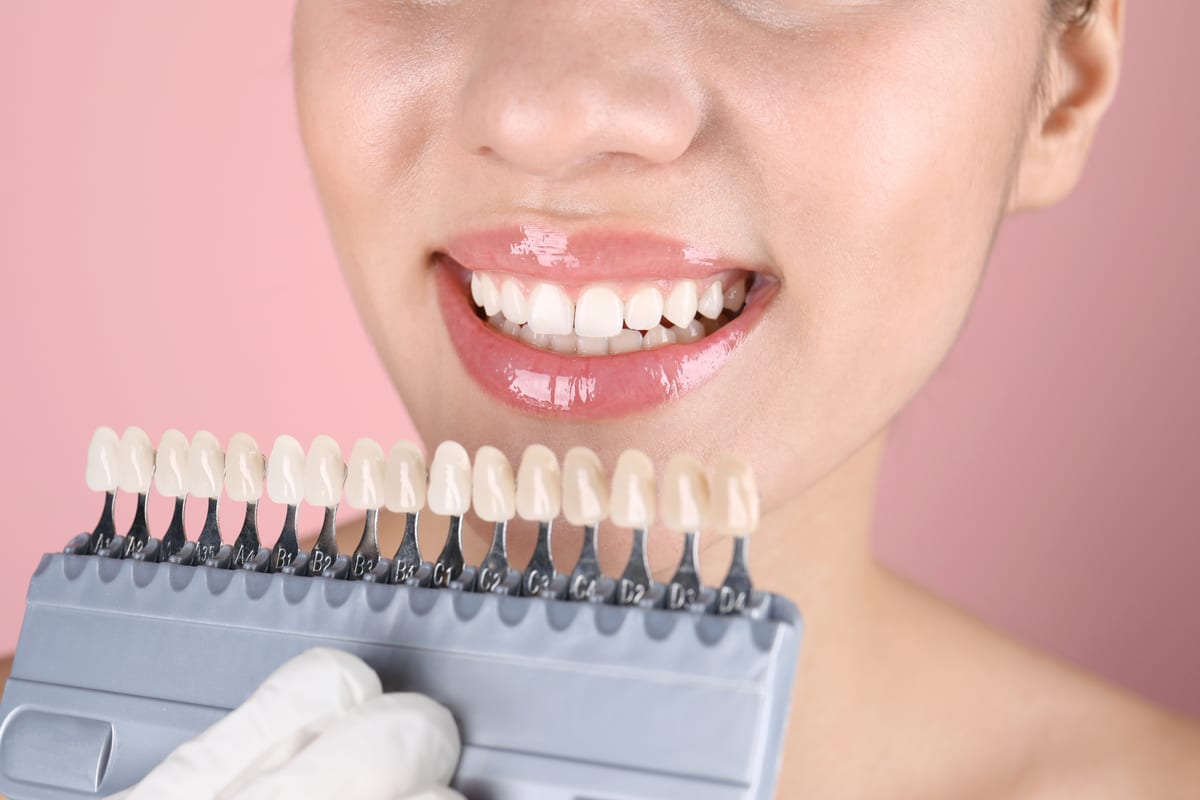
A dental crown is a tooth-shaped cap that fits over a damaged tooth. It restores the tooth’s shape, strength, and function. Crowns are not recommended casually — there are specific, evidence-based clinical reasons your dentist makes this call.
Clinical Reason 1: You Have a Cracked or Fractured Tooth
Tooth cracks are more common than most people realize. Chewing on hard foods, grinding your teeth, or suffering a minor trauma can all cause cracks. Some cracks are invisible to the naked eye but still compromise the tooth’s structural integrity.
A cracked tooth is vulnerable in a very specific way. Each time you bite down, the crack flexes and widens slightly. Over time, this leads to sharp pain and potential nerve damage. A crown holds the tooth together, preventing the crack from spreading further.
Without treatment, a cracked tooth can split completely. At that point, extraction may be the only option. A crown placed early protects the tooth and saves it from that outcome.
Clinical Reason 2: A Large Filling Has Failed or Is Too Big
Fillings don’t last forever. Over years of chewing, old fillings can crack, wear down, or pull away from the tooth surface. When a filling fails, bacteria can sneak underneath and cause new decay.
There’s also a size problem to consider. A filling that covers more than half the biting surface of a tooth weakens the surrounding enamel significantly. At that point, the tooth is more filling than natural structure. That ratio makes the tooth prone to fracture under normal chewing pressure.
In these cases, a crown provides full coverage and distributes bite forces evenly. It acts like a helmet over the compromised tooth. Dr. Dholariya evaluates filling integrity at every checkup to catch these situations early.
- Old metal fillings that expand and contract can crack surrounding enamel
- Recurrent decay under an existing filling signals structural failure
- A tooth with a filling covering over 50% of the surface needs crown protection
- Crowns restore proper bite function after large filling removal
Clinical Reason 3: You Just Had a Root Canal Treatment
Root canal treatment saves a tooth by removing infected pulp tissue from inside the root. However, that process leaves the tooth hollowed out and structurally weakened. The tooth becomes brittle and far more susceptible to fracture.
This is one of the most common clinical reasons dentists recommend a crown. A tooth that has had a root canal — especially a back molar — endures enormous biting forces daily. Without a crown, that brittle tooth can snap at the gum line.
Placing a crown after root canal treatment is the standard of care in dentistry. It seals the tooth, prevents reinfection, and restores full chewing ability. Skipping the crown after a root canal significantly raises the risk of losing the tooth altogether.
At Kyle Parkway Dentistry, Dr. Dholariya coordinates root canal aftercare closely. The goal is always to preserve as much of the natural tooth as possible. A crown is the final step that makes the entire treatment successful long-term.
Clinical Reason 4: A Cusp Has Broken Off
Dental cusps are the pointed tips on the biting surface of your teeth. They help you chew and grind food efficiently. When a cusp breaks off — due to decay, an old filling, or a sudden impact — the remaining tooth structure is exposed and vulnerable.
A broken cusp is not just a cosmetic problem. The jagged edges can cut your tongue or cheek. The exposed dentin underneath the enamel is highly sensitive to temperature and pressure. Bacteria can also colonize the damaged area quickly.
A crown covers the entire tooth surface, eliminating sharp edges and protecting the exposed dentin. It restores the natural shape and prevents further breakdown. This is a situation where waiting only makes things worse and more expensive to treat.
- Broken cusps often occur on teeth with large, older fillings
- The break may not be immediately painful but will worsen without treatment
- A crown prevents bacteria from reaching the inner tooth layers
- Restoration timing matters — earlier treatment means less tooth loss
When a Crown Connects to Tooth Replacement Options in Kyle
Sometimes a tooth is too damaged to save with a crown alone. In those cases, Dr. Dholariya may discuss tooth replacement as a next step. Crowns also play a key role in replacement restorations. For example, Dental Bridges use crowns placed on adjacent healthy teeth to anchor an artificial tooth in the gap left by a missing one.
If you are exploring tooth replacement options and want to understand costs before committing, learning about Dental Implant Cost Kyle Buda And Austin can help you compare approaches. Dr. Dholariya will walk you through every option based on your specific clinical situation. There is no one-size-fits-all answer — the goal is always the best long-term outcome for your smile.
What to Expect During the Crown Process at Kyle Parkway Dentistry
Many patients feel nervous about getting a crown because they don’t know what to expect. The process is straightforward and typically requires two appointments. Dr. Dholariya prioritizes patient comfort at every step.
Here is a general overview of what happens:
- Examination and X-rays: Dr. Dholariya assesses the tooth and confirms a crown is the right solution.
- Tooth preparation: A small amount of enamel is removed to make room for the crown. Local anesthesia keeps you comfortable.
- Impression or digital scan: An exact mold of your tooth is taken so the crown fits precisely.
- Temporary crown: A temporary crown protects the tooth while the permanent one is fabricated.
- Crown placement: The custom crown is bonded securely at your second appointment.
The entire process is designed to preserve as much natural tooth structure as possible. Dr. Dholariya explains each step so you always know what is happening. Most patients are surprised at how manageable the experience feels.
Conclusion: Trust the Clinical Recommendation
A crown recommendation is never made lightly. Whether you have a cracked tooth, a failing filling, a post-root-canal tooth, or a broken cusp, the crown is protecting your long-term dental health. Understanding the clinical reasons helps you see it as an investment — not just a procedure. Dr. Dholariya and the team at Kyle Parkway Dentistry are here to answer every question you have. Book Now to schedule your appointment with our team.
Frequently Asked Questions
How do I know if I really need a crown or just a filling?
Your dentist will evaluate the size of the damage, the location of the tooth, and how much natural structure remains. If more than half the tooth surface is compromised, or if the tooth has already had a root canal, a crown is typically the more appropriate restoration. A filling cannot provide the same level of protection for a structurally weakened tooth.
Does getting a crown hurt?
The procedure is performed under local anesthesia, so you should not feel pain during tooth preparation. Some sensitivity around the gum line is normal for a few days after the appointment. Dr. Dholariya uses gentle techniques to minimize discomfort throughout the process.
How long does a dental crown last?
With proper care, a dental crown can last 10 to 15 years or longer. Brushing twice daily, flossing around the crown margin, and attending regular checkups all extend the crown’s lifespan. Grinding your teeth can shorten it, so Dr. Dholariya may recommend a night guard in those cases.
Can a crowned tooth still get a cavity?
The crown itself cannot decay, but the natural tooth structure at the gum line can. Bacteria can accumulate at the margin where the crown meets the tooth. This is why good oral hygiene and regular professional cleanings remain important even after a crown is placed.
What happens if I delay getting a crown after my dentist recommends one?
Delaying treatment allows the underlying problem to progress. A cracked tooth can split further, a weakened tooth can fracture, and an exposed tooth after root canal treatment can break at the gum line. In many cases, early crown placement saves the tooth — waiting can result in needing an extraction and a more complex replacement procedure.