What Causes Receding Gums & Can They Grow Back?
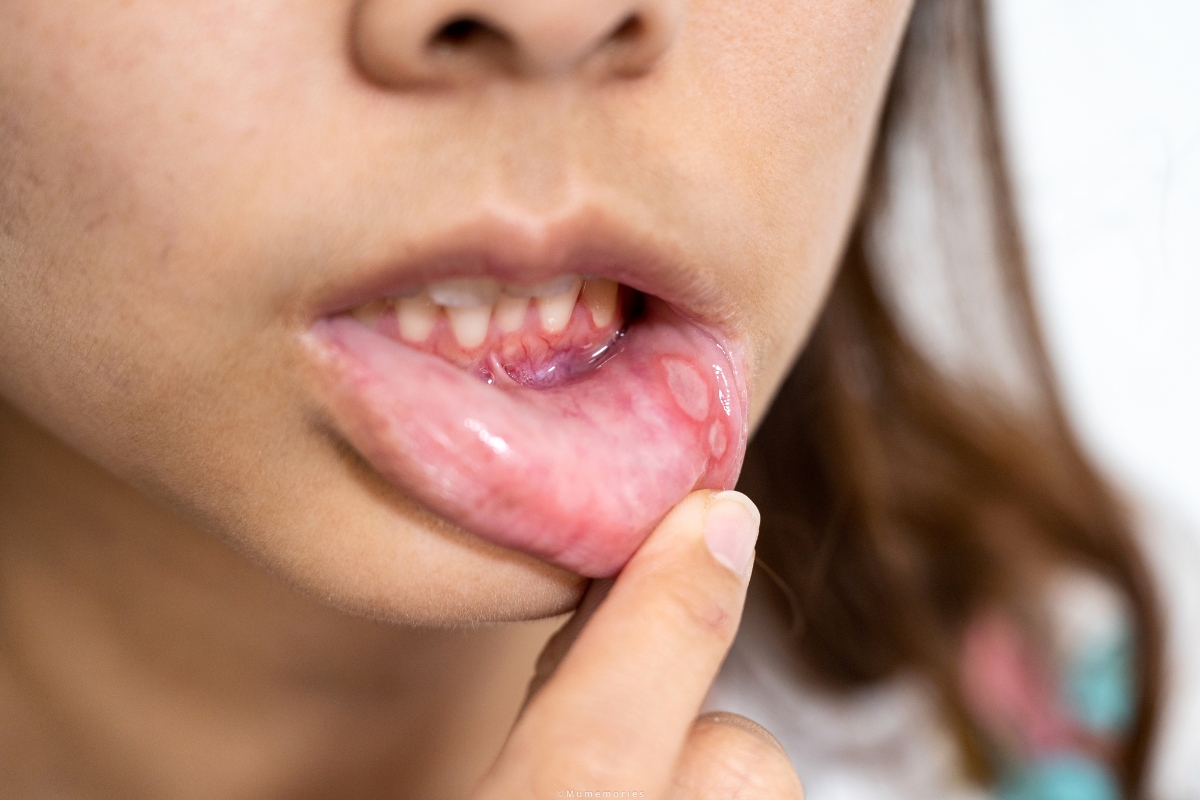
Healthy gums are essential for a healthy smile, yet many people notice their teeth looking longer or becoming more sensitive over time. This condition, known as Gum Recession, happens when the gum tissue pulls away from the teeth and exposes the roots. If left untreated, it can lead to discomfort, tooth sensitivity, and even tooth loss. The good news is that early treatment and proper dental care can slow the process, improve gum health, and help protect your smile for years to come.
At Kyle Parkway Dentistry in Kyle, patients often ask whether receding gums can grow back naturally. While gum tissue typically does not regenerate on its own, modern dental treatments and healthy habits can restore appearance, reduce symptoms, and prevent further damage.
Understanding Gum Recession
Gum Recession occurs when the gum tissue surrounding the teeth gradually wears away or pulls back. As a result, more of the tooth or tooth root becomes visible.
This issue develops slowly, which is why many people do not realize they have it until symptoms become noticeable. Early detection is important because untreated recession may increase the risk of cavities, sensitivity, and periodontal disease.
Common Signs of Receding Gums
You may be experiencing gum recession if you notice:
- Teeth appearing longer than before
- Tooth sensitivity to hot or cold foods
- Red, swollen, or bleeding gums
- Bad breath that does not go away
- Pain near the gumline
- Loose teeth in advanced cases
If you experience these symptoms, scheduling a dental evaluation can help identify the cause early.
What Causes Gum Recession?
There is not always one single cause of receding gums. In many cases, several factors contribute to the condition over time.
Poor Oral Hygiene
Inadequate brushing and flossing allow plaque and bacteria to build up along the gumline. Eventually, this can lead to gum disease, one of the leading causes of gum recession.
Gum Disease
Periodontal disease is a bacterial infection that damages gum tissue and supporting bone. As the infection progresses, the gums begin to pull away from the teeth.
Professional cleanings and early periodontal care are essential to controlling the condition before it worsens.
Brushing Too Hard
Many people think aggressive brushing cleans better, but brushing too forcefully can wear down enamel and irritate gum tissue.
Using a soft-bristled toothbrush and gentle circular motions is much safer for your gums.
Smoking and Tobacco Use
Smoking reduces blood flow to the gums and weakens the body’s ability to fight infection. Tobacco use is strongly linked to gum disease and gum recession.
Quitting smoking can significantly improve oral health and healing.
Teeth Grinding and Clenching
Grinding or clenching places excessive pressure on teeth and gums. Over time, this stress can contribute to gum tissue breakdown.
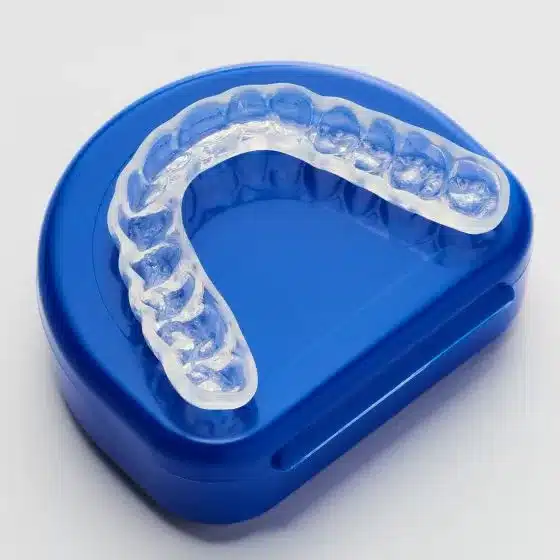
A custom nightguard may help protect your teeth and gums while you sleep.
Misaligned Teeth or Bite Problems
Crooked teeth or an uneven bite can place extra stress on certain areas of the gums. This uneven pressure may increase the likelihood of recession.
Orthodontic treatment may help correct alignment issues and reduce gum strain.
Genetics
Some individuals are naturally more prone to gum disease and thinner gum tissue, even with good oral hygiene habits.
Regular dental visits become especially important if gum problems run in your family.
Can Receding Gums Grow Back?
One of the most common patient concerns is whether gums can grow back naturally.
Unfortunately, once gum tissue has receded, it generally does not regenerate on its own. However, that does not mean treatment options are limited. Dentists can often stop further recession and restore gum health through professional care.
Treatments for Gum Recession
Depending on the severity of the condition, treatment may include:
Deep Dental Cleaning
Scaling and root planing remove plaque and bacteria beneath the gums. This treatment helps the gums heal and reduces inflammation.
Gum Grafting
For more advanced recession, a gum graft may be recommended. During this procedure, healthy tissue is placed over exposed tooth roots to protect the teeth and improve appearance.
Nightguards for Teeth Grinding
If grinding is contributing to gum recession, wearing a custom nightguard can reduce pressure on the gums and teeth.
Orthodontic Treatment
Correcting bite alignment may reduce stress on the gumline and improve long-term oral health.
Improved Home Care
Consistent brushing, flossing, and routine cleanings are essential for preventing additional recession.
Source: Teeth Talk Girl
How to Prevent Gum Recession
The best way to manage gum recession is to prevent it from progressing.
Here are a few simple habits that can help protect your gums:
- Brush gently twice daily with a soft toothbrush
- Floss every day to remove plaque buildup
- Visit your dentist regularly for cleanings and exams
- Avoid tobacco products
- Wear a nightguard if you grind your teeth
- Eat a balanced diet that supports gum health
- Address gum bleeding or sensitivity early
Small changes in your daily routine can make a significant difference over time.
When Should You See a Dentist?
Many people ignore early signs of gum recession because the process is often painless at first. However, delaying treatment can allow the problem to worsen.
You should schedule a dental visit if you notice:
- Increased tooth sensitivity
- Bleeding gums
- Visible tooth roots
- Persistent bad breath
- Loose teeth
- Changes in your gumline
Early care can help preserve your natural teeth and prevent more complex treatment later.
Protecting Your Smile for the Future
Gum health plays a major role in overall oral health. Although Gum Recession usually cannot reverse naturally, modern dentistry offers effective solutions to slow progression, restore comfort, and improve the appearance of your smile.
At Kyle Parkway Dentistry, patients receive personalized care in a comfortable setting at 4650 Farm to Market 1626 #104, Kyle 78640. Whether you are experiencing sensitivity, bleeding gums, or visible recession, professional treatment can help protect your smile and improve your oral health.
Schedule your appointment today to learn more about treatment options for receding gums and maintain a healthier smile for years to come.
Common Questions Patients Ask
Why are my gums receding even though I brush every day?
Brushing too hard, grinding your teeth, genetics, or gum disease may still cause gum recession even if you brush regularly.
Is gum recession painful?
Not always. Many people first notice tooth sensitivity or changes in appearance before feeling pain.
Can a toothbrush cause gum recession?
Yes. Using a hard-bristled toothbrush or brushing aggressively can damage gum tissue over time.
Does gum recession mean I will lose my teeth?
Not necessarily. Early treatment can help protect your teeth and prevent further damage.
Can mouthwash help with gum recession?
Antibacterial mouthwash may help reduce plaque and bacteria, but it cannot reverse existing recession.
How often should I see the dentist if I have receding gums?
Most patients benefit from regular checkups every six months, although some may require more frequent periodontal visits depending on severity.