
Preparing for a Root Canal? Here’s What You Should Expect
If you’ve been told you may need a Root Canal Treatment Kyle, you’re probably wondering what the procedure involves and whether it will hurt. The good news is that modern root canal therapy is designed to relieve pain—not cause it. With today’s advanced dental techniques, most patients feel comfortable during treatment and return to normal activities quickly. Understanding what to expect before, during, and after the procedure can help ease anxiety and prepare you for a smoother experience.
At Kyle Parkway Dentistry, patients often seek treatment when experiencing tooth pain, sensitivity, or swelling. A root canal can save your natural tooth, eliminate infection, and restore your oral health before the problem worsens.
What Is a Root Canal Treatment?
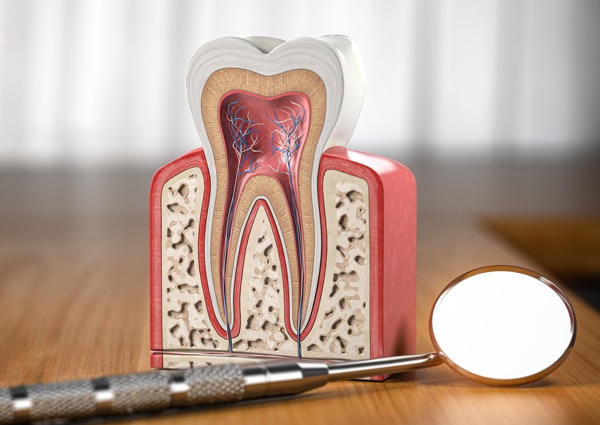
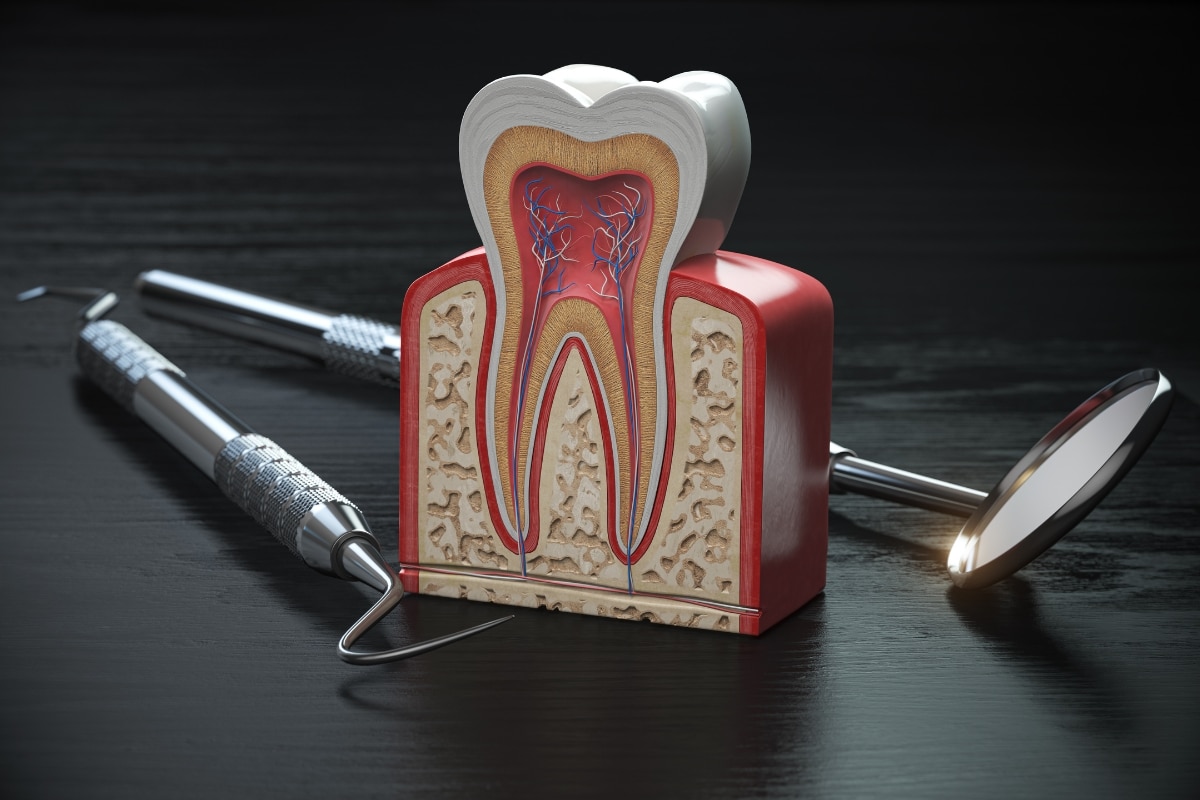
A root canal is a dental procedure used to treat infection or damage inside a tooth. Beneath the enamel and dentin is soft tissue called pulp, which contains nerves and blood vessels. When the pulp becomes infected due to deep decay, cracks, trauma, or repeated dental procedures, it can cause severe discomfort.
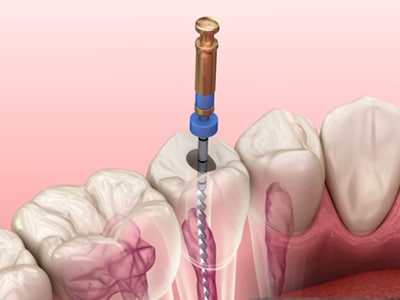
During a Root Canal Treatment Kyle, the infected pulp is carefully removed, the inside of the tooth is cleaned and disinfected, and the space is sealed to prevent future infection.
The goal is simple: save your natural tooth while relieving pain and restoring function.
Signs You May Need a Root Canal
Many patients delay treatment because they are unsure whether their symptoms are serious. However, early care can prevent complications and reduce discomfort.
Common warning signs include:
- Persistent tooth pain
- Sensitivity to hot or cold temperatures
- Swollen or tender gums
- Pain when chewing
- A darkened or discolored tooth
- A pimple-like bump on the gums
- Lingering sensitivity after eating or drinking
If you notice any of these symptoms, scheduling a dental evaluation is important. Prompt treatment can often save the tooth before the infection spreads.
How to Prepare for Your Appointment
Preparing for your procedure can help you feel more relaxed and confident. Fortunately, root canal treatment is typically straightforward and minimally invasive.
Eat Before Your Appointment
Unless your dentist advises otherwise, it’s usually a good idea to eat a light meal beforehand. Since your mouth may remain numb for a few hours after treatment, eating ahead of time can make recovery more comfortable.
Get a Good Night’s Sleep
Being well-rested helps your body manage stress and recover more efficiently. If you feel anxious about the procedure, try relaxation techniques such as deep breathing or listening to calming music.
Take Medications as Directed
Your dentist may recommend over-the-counter pain relief or prescribe antibiotics before treatment if there is significant infection or swelling.
Avoid Tobacco and Alcohol
Smoking and alcohol can slow healing and increase irritation. Avoiding them before and after your procedure supports better recovery.
What Happens During a Root Canal Procedure?
Understanding the process can make the experience feel much less intimidating. A typical Root Canal Treatment Kyle usually involves the following steps:
Step 1: Examination and X-Rays
Your dentist will examine the affected tooth and take digital X-rays to evaluate the extent of infection and determine the best treatment approach.
Step 2: Local Anesthesia
The area around the tooth is numbed thoroughly to keep you comfortable throughout the procedure. Most patients report feeling pressure rather than pain.
Step 3: Removing the Infection
A small opening is made in the tooth so the infected pulp can be removed. The root canals are then cleaned and disinfected carefully.
Step 4: Filling and Sealing
After cleaning, the canals are filled with a safe material and sealed to protect against bacteria.
Step 5: Final Restoration
In many cases, a dental crown is recommended to strengthen and protect the treated tooth, especially for molars that handle heavy chewing pressure.
Does a Root Canal Hurt?
One of the biggest misconceptions about root canals is that they are painful. In reality, modern dentistry has made the procedure very comfortable for most patients.
The discomfort associated with a root canal usually comes from the infection itself—not the treatment. Once the infected tissue is removed, many patients experience immediate relief.
You may have mild soreness for a few days afterward, but this is typically manageable with over-the-counter pain medication and proper aftercare.
Recovery After Root Canal Treatment
Healing after a root canal is generally quick and uncomplicated. Most patients return to work or daily activities within a day.
Here are a few tips for smoother recovery:
- Avoid chewing on the treated tooth until fully restored
- Take medications exactly as prescribed
- Maintain good oral hygiene
- Brush and floss gently around the area
- Attend follow-up visits if recommended
If you experience severe pain, swelling, or fever after treatment, contact your kyle dentist promptly.
Benefits of Root Canal Therapy
Saving your natural tooth offers several long-term benefits compared to extraction.
Preserves Your Natural Smile
Keeping your original tooth helps maintain proper alignment and appearance.
Prevents Further Infection
Treating the infection early helps protect nearby teeth and gums.
Restores Comfortable Function
After healing, you can chew, speak, and smile comfortably again.
Cost-Effective Long-Term Solution
Saving a natural tooth often reduces the need for more extensive restorative procedures later.
Source: Teeth Talk Girl
Why Timely Treatment Matters
Ignoring dental infection rarely makes it go away. In fact, untreated infections can spread deeper into the jaw and surrounding tissues, potentially leading to more serious health complications.
Seeking professional care early allows for simpler treatment and better outcomes. If you’re experiencing persistent tooth discomfort, don’t wait for symptoms to worsen.
At Kyle Parkway Dentistry, patients receive personalized care in a calm and supportive environment. The team focuses on making every step of treatment as comfortable and stress-free as possible.
Common Questions Patients Ask
How long does a root canal take?
Most procedures take between 60 and 90 minutes, depending on the tooth and severity of infectio
Can I drive home after treatment?
Yes. Since local anesthesia is typically used, most patients can safely drive themselves home afterward.
Will I need a crown after a root canal?
Many teeth—especially molars—benefit from a dental crown to restore strength and prevent fractur
Is it better to pull the tooth instead?
Saving the natural tooth is usually the best option whenever possible because it preserves your bite and oral health.
How long does a treated tooth last?
With proper care and regular dental visits, a root canal-treated tooth can last many years or even a lifetime.
Final Thoughts
Needing a root canal may sound intimidating at first, but modern dental care has made the process easier and more comfortable than many patients expect. A timely Root Canal Treatment Kyle can relieve pain, stop infection, and save your natural tooth before the condition worsens.
If you are experiencing tooth pain, sensitivity, or swelling, professional evaluation is the best next step. Kyle Parkway Dentistry, located at 4650 Farm to Market 1626 #104, Kyle, TX 78640, is committed to helping patients restore healthy, confident smiles with compassionate care.
Schedule your appointment today to learn more about your treatment options and protect your long-term oral health.