
Post–Root Canal Diet Tips to Support Faster Healing

So you just had a root canal in Kyle, TX, and you just want to know what to eat afterward. After root canal therapy, nutrition is key not only for comfort, but for recovery. It helps accelerate healing, decrease pain, and protects the tooth so you don’t cause further irritation and potentially an additional trip to the dentist.
This blog is meant to give you the basics of eating after a root canal – what you should and shouldn’t eat and why your nutrition is important. We will give you advice backed by dental standards, helping you recover more quickly.
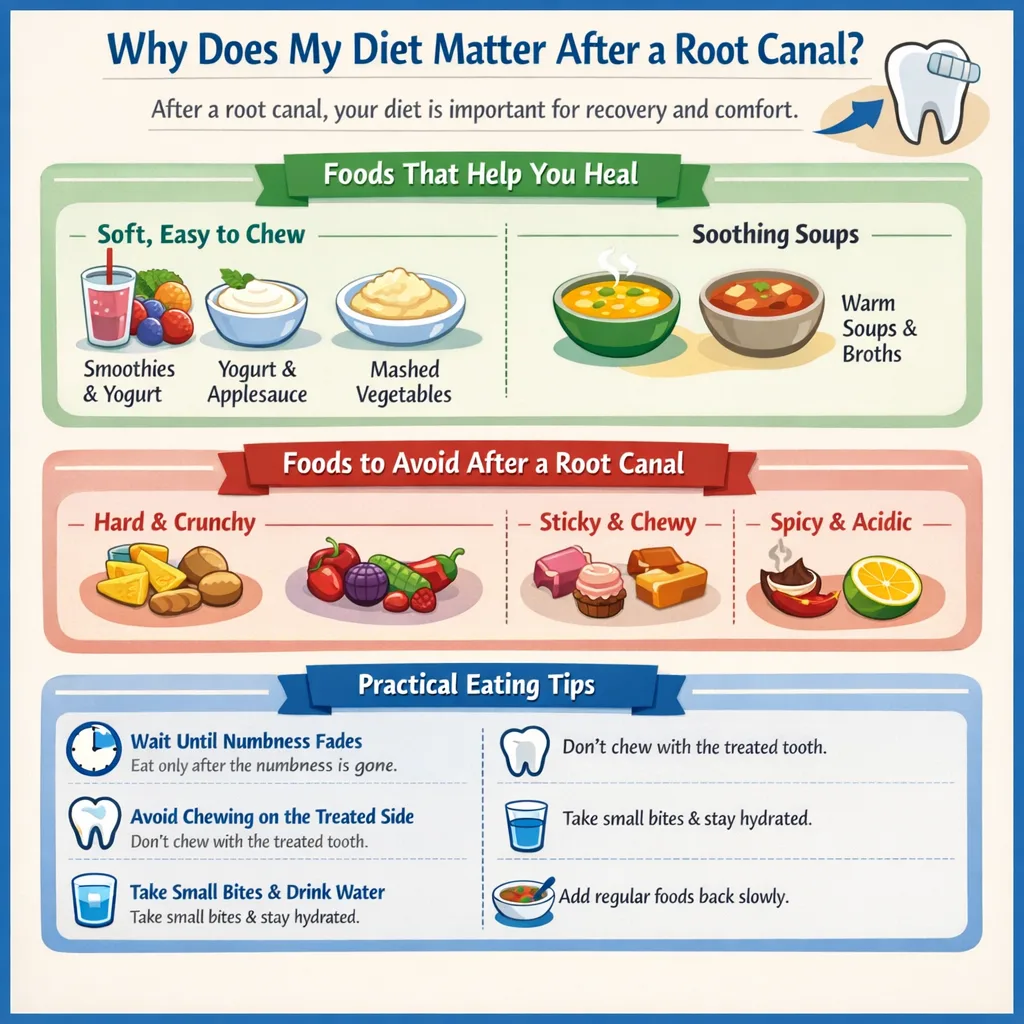
Why Does My Diet Matter After a Root Canal?
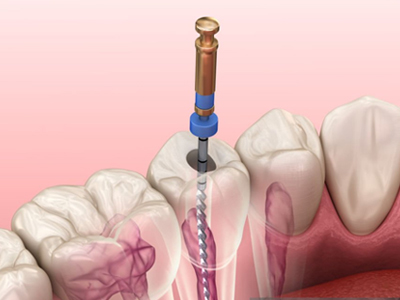
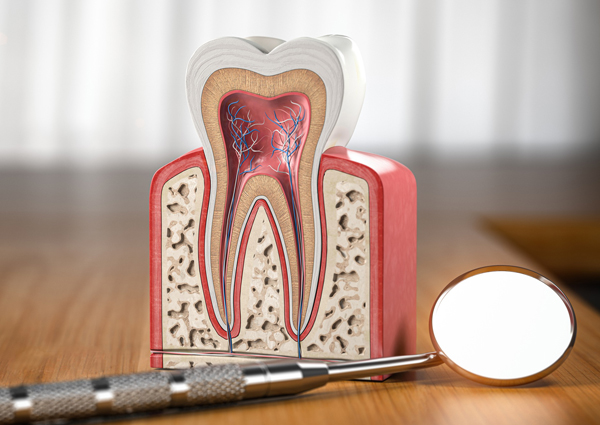
When you have a root canal, the inside of the tooth is cleaned, sealed, and sometimes a temporary filling or crown is placed. The surrounding area can be tender, sore, or sensitive during the healing process. Your diet plays a role because:
- It protects your tooth and the temporary filling from damage.
- It reduces biting force and pressure on the healing area.
- It minimizes temperature sensitivity.
- It provides your body with the nutrients it needs for healing.
A proper diet after a root canal in Kyle can support healing and help ensure a smoother recovery.
Foods That Help You Heal
The foundation for your root canal diet plan is the foods you eat that are gentle, easy to consume, and won’t stress your treated tooth.
Soft, Easy to Chew Options
- Smoothies and fruit shakes: smoothies (bananas, mangos, etc.) blended with yogurt are a great, satisfying way to get the nutrition you need.
- Yogurt, pudding, and applesauce: cool and soothing if your mouth is tender.
- Mashed vegetables: mashed potatoes and sweet potatoes will provide you with nutritious and very gentle food to consume.
- Scrambled eggs: contain a high amount of protein and are also easy to chew and swallow.
- Cooked grains: oatmeal, rice, and pasta provide you with energy to help you heal without putting force or stress on the tooth you have had treated.
Soothing Soups and Broths
- Warm (but not hot) soup is very hydrating and nutritious. All pureed vegetable soups, soups with soft noodles, and soups with mixed lentils will count toward your healing diet.
Nutritious Options
As soon as you feel comfortable adding to your diet, try including soft proteins and nutrient-dense foods like:
- Tender, well-cooked fish; shredded chicken or shredded turkey
- Soft tofu or legumes
- Softly cooked vegetables that can be mashed with a fork
These options support tissue repair without putting pressure on your treated tooth.
Foods You Should Not Eat (Mainly At The Beginning)
Certain foods may irritate sensitive tissue, damage temporary fillings, and prolong healing.
Hard & Crunchy
Examples of hard or crunchy foods include nuts, chips, popcorn, raw carrots, and crusty bread. These require a lot of force to chew on and can either crack your treated tooth or dislodge your temporary filling.
Sticky or Chewy
Gum, caramel, taffy, and gummy candies are sticky. They can pull on your filling, allowing bacteria to enter the treated area of your mouth.
Hot & Cold
Very hot soup, coffee, tea, ice cream, and cold drinks (all of which can be hot or cold) may cause sensitivity in the tooth treated with a root canal in Kyle. You should be eating foods that are lukewarm or at room temperature for the best comfort.
Spicy, Acidic, or Sugary
Spicy sauce, citrus fruits, soda, and sweets can cause an increased level of discomfort to your healing gum tissue.
Practical Eating Tips to Speed Healing
Only Eat After the Numbness Has Passed
It is not recommended to eat until the anesthesia has completely worn off. Eating while numb increases the risk of biting your cheek, lips, or tongue.
Do Not Chew With A Treated Tooth
You should avoid chewing with the treated tooth while it is still sore. Doing this will reduce pressure on the tooth and help minimize discomfort for the first few days after your procedure.
Only Take Small Bites And Drink Water
You should take small bites of food as you resume your normal diet. This way, you can check for sensitivity or pain when you bite into food. You should also drink plenty of water during the day. Hydration is crucial for healing tissues and promotes overall oral health.
Return To Eating Regular Foods Slowly
Once the tenderness lessens (which generally occurs in the first few days), you can begin reintroducing softer versions of your regular foods into your diet. Listen to your body and only eat when you are comfortable.
How Long Should I Be Careful With My Diet?
Most people can eat a gentle diet for about 3–5 days after a root canal. However, if you have a temporary restoration, such as a crown or filling, you will need to wait until your permanent restoration is in place before you can safely resume normal eating. Please check with your dentist for when you can return to your normal diet.
If your tenderness persists after a few days or becomes painful, please contact your dental provider for assistance.
Video source: UIC College of Dentistry
What Do I Do If My Pain Continues?
You may experience mild discomfort or sensitivity during the initial days following your procedure; however, if you develop any of the following symptoms, please get in touch with your dentist immediately:
- Severe pain or pain that gets worse
- Swelling of any kind is worse each day
- Loss of or dislodged temporary restoration
- Increased sensitivity that does not improve
Follow-up evaluations may be necessary for these types of symptoms.
Conclusion: Support Your Recovery the Right Way
Eating the right types of foods after a root canal in Kyle can make your healing much easier. Try to eat soft, gentle, and nutritionally dense foods while avoiding hard, sticky, or very hot or cold foods, as they can put stress on your healing tooth. Drinking plenty of fluids, eating slowly, and chewing properly will reduce your discomfort and speed your healing.
Our dental team at Kyle Parkway Dentistry will assist you with all aspects of your healing journey, providing compassionate care and evidence-based guidance.
Common Questions People Ask
1. When can I eat after a root canal?
Wait until the numbness wears off — usually a few hours — so you don’t bite your cheek, lip, or tongue accidentally.
2. Can I drink coffee after a root canal?
Avoid hot drinks initially. Warm or room‑temp beverages help reduce sensitivity and irritation.
3. Can I eat ice cream after a root canal?
Ice cream is soft, but its cold temperature can trigger sensitivity. Wait until sensitivity decreases.
4. Are smoothies okay?
Yes, smoothies are ideal — just avoid using a straw at first to avoid suction near the treated tooth.