Laser Dentistry for Sensitive Teeth: How It Can Help?

Do you wince when sipping hot coffee or biting into ice cream? If you’re one of the millions who suffer with sensitive teeth, you understand how painful it can be. Sensitive teeth can disrupt daily life, making eating or drinking a challenge. But what if there was a way to treat this condition more effectively? Laser dentistry is quickly becoming a popular solution for people with sensitive teeth, offering relief that traditional treatments might not provide.
This blog explores how laser dentistry works and why it’s an appealing option for those struggling with tooth sensitivity.
What Are Sensitive Teeth?
Sensitive teeth, or dentin hypersensitivity, cause discomfort when exposed to hot, cold, sweet, or acidic foods. This condition happens when the tooth’s protective enamel wears down, exposing the underlying dentin. Dentin has microscopic tubules that connect directly to nerve endings, causing discomfort when exposed.
Several factors might cause sensitive teeth, including enamel loss, gum recession, cavities, and teeth grinding or clenching practices. The most typical symptom is acute pain while eating or drinking something hot, cold, or sweet.
Traditional Treatments for Sensitive Teeth
Traditional treatments often offer temporary relief for sensitive teeth. Desensitizing toothpaste can help by coating the exposed dentin and reducing pain, but it doesn’t address the root cause. Fluoride treatments strengthen enamel and provide some relief by sealing the tubules.
Another option is dental sealants, which cover exposed areas and protect the nerves. While these methods can help, they often fail to provide long-term relief, especially for those with more severe sensitivity. This is where a laser dentist can provide a more permanent solution.
What Is Laser Dentistry?
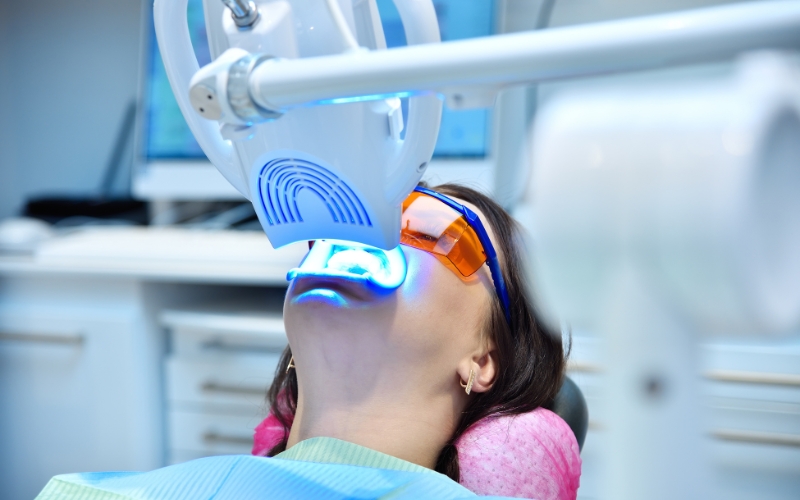
Laser dentistry involves using focused light beams to perform dental procedures with precision. Unlike traditional methods, lasers allow for minimally invasive treatments, reducing the need for drills or scalpels. Laser treatment is often used for soft and hard tissue procedures, such as reshaping the gum line or treating cavities. In laser dentistry, the laser is targeted at the affected area with high precision, making it an ideal treatment for sensitive teeth.
Different types of lasers are used in dental practices. The most common are diode and erbium lasers. The diode laser is mainly used for soft tissue procedures like gum disease treatment. On the other hand, Erbium lasers are effective for both soft and hard tissues, making them particularly useful in treating sensitive teeth. The laser stimulates the nerves in the teeth, reduces inflammation, and can even seal exposed tubules in the dentin, providing longer-lasting relief.
How Does Laser Dentistry Help with Sensitive Teeth?
Laser dentistry works by targeting the exposed nerves in the teeth and reducing the sensitivity caused by them. During treatment, the laser energy is applied to the affected area. The laser heat helps seal the tubules in the dentin, preventing painful stimuli from reaching the nerves. It also promotes tissue healing and reduces inflammation.
One of the key advantages of laser dentistry is that it is a non-invasive treatment. This means no needles or incisions are required, making the procedure more comfortable.
Patients undergoing laser treatment experience minimal discomfort. Unlike traditional dental treatments, which often involve drilling or scraping, laser dentistry causes less pain and often results in faster recovery times. Additionally, many procedures can be completed in a single visit, making it a quick and efficient treatment option for sensitive teeth.
Laser dentistry offers more lasting relief than conventional treatments like fluoride or desensitizing toothpaste. Since the laser seals the exposed tubules and encourages tissue regeneration, patients typically experience longer-lasting results, sometimes requiring fewer follow-up visits for treatment. As an alternative to traditional methods, laser dentistry stands out as an advanced solution for persistent sensitivity.
What to Expect During a Laser Treatment for Sensitive Teeth?
Before laser treatment, you’ll consult with a laser dentist Kyle to discuss your symptoms. They’ll assess your tooth sensitivity and determine whether laser dentistry is best for you. The dentist will apply a local anesthetic during the procedure to ensure you remain comfortable, though many patients report feeling little to no discomfort.
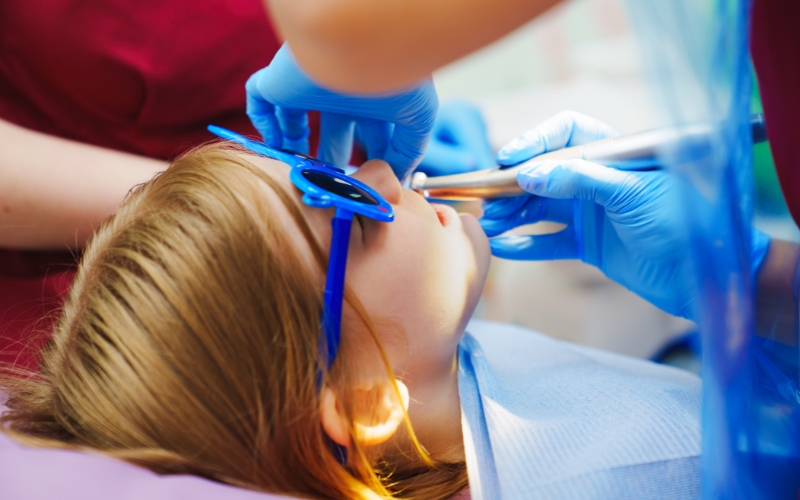
The dentist will then direct the laser to the affected areas of your teeth, carefully targeting the exposed dentin. The laser will work to seal the tubules, reducing nerve sensitivity. The entire procedure usually takes only 15 to 30 minutes, depending on the severity of the sensitivity.
After treatment, you may experience mild discomfort, but this typically subsides within a day or two. Little to no recovery time is needed, and most people can resume their normal activities immediately. It’s important to follow any aftercare instructions from your laser dentist to ensure optimal results.
Who Can Benefit from Laser Dentistry for Sensitive Teeth?
Laser dentistry is ideal for individuals with chronic sensitivity who have not found relief from traditional treatments. It’s especially helpful for those with significant enamel erosion, gum recession, or dentin exposure. If you’ve tried desensitizing toothpaste, fluoride treatments, and other options without success, laser dentistry may offer the long-term solution you need.
However, only some are suitable candidates. People with certain medical conditions, such as active gum disease or extreme tooth sensitivity, may need alternative treatments. Your laser dentist will evaluate your condition and advise whether this treatment suits you.
In summary, laser dentistry offers a noninvasive, effective, and long-lasting solution for people with sensitive teeth. It addresses the root causes of sensitivity, providing relief that traditional methods may not.
If you’re struggling with tooth sensitivity, consider consulting a laser dentist to explore how this advanced treatment can help you regain comfort and enjoy life without constant pain. Don’t let sensitive teeth control your life—take the first step toward relief today!