How to Improve Your Oral Hygiene Habits at Home
Good oral hygiene is one of the most important steps you can take to protect your teeth, gums, and overall health. Many people brush daily but still struggle with cavities, bad breath, or gum irritation because small habits are often overlooked. According to patients visiting a Dentist Kyle, inconsistent brushing, poor flossing techniques, and sugary diets are among the most common causes of dental problems. The good news is that improving your oral hygiene habits at home does not have to be complicated. With a few simple daily changes, you can keep your smile healthier, brighter, and stronger for years to come.
Why Oral Hygiene Matters
Your mouth contains bacteria that naturally build up throughout the day. Without proper cleaning, this buildup turns into plaque, which can lead to:
- Cavities
- Gum disease
- Tooth sensitivity
- Persistent bad breath
- Tooth loss over time
Good oral hygiene also supports your overall health. Studies have linked gum disease to conditions like heart disease and diabetes. That is why maintaining a healthy mouth should be part of your daily wellness routine.
At Kyle Parkway Dentistry, patients are often surprised to learn that prevention at home can reduce the need for more extensive dental treatments later.
Build a Strong Daily Brushing Routine
Brush Twice Every Day
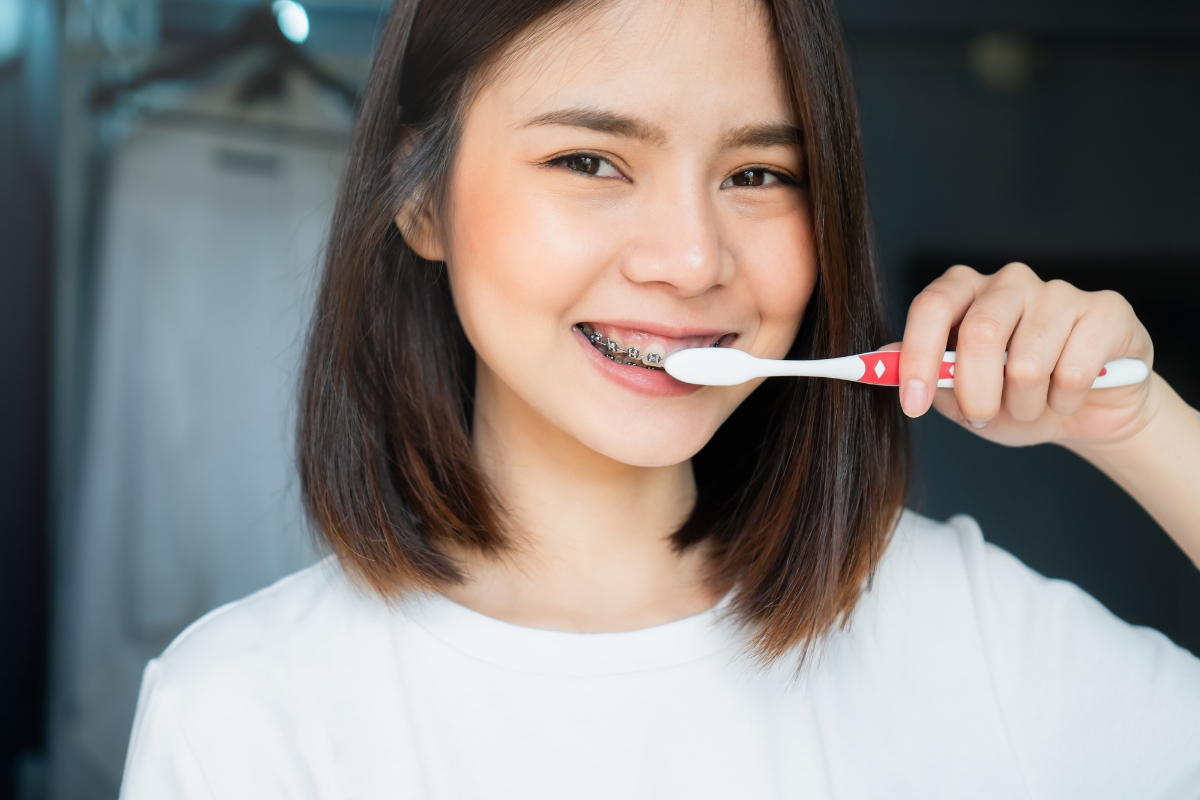
Brushing your teeth morning and night is the foundation of healthy oral care. However, brushing quickly for 30 seconds is not enough.
For the best results:
- Brush for at least two minutes
- Use a soft-bristled toothbrush
- Clean every surface of the teeth
- Replace your toothbrush every 3–4 months
A Kyle Dentist may also recommend using an electric toothbrush because it can remove plaque more effectively than manual brushing.
Use the Right Toothpaste
Choose a fluoride toothpaste to help strengthen enamel and protect against cavities. If you have sensitivity, whitening concerns, or gum problems, your dentist may recommend a specific type of toothpaste designed for your needs.
Avoid Brushing Too Hard
Many people think aggressive brushing cleans better, but it can actually damage enamel and irritate the gums. Instead, use gentle circular motions.
Do Not Skip Flossing
Flossing is just as important as brushing because it removes food particles and plaque between teeth where a toothbrush cannot reach.
Tips for Better Flossing
- Floss at least once daily
- Use clean sections of floss for each tooth
- Gently slide floss below the gumline
- Avoid snapping floss against the gums
If traditional floss feels difficult, alternatives like water flossers or floss picks may help make the habit easier.
Many patients who visit a Dentist Kyle notice healthier gums within weeks of flossing consistently.
Improve Your Diet for Better Oral Health
What you eat directly affects your teeth and gums. Certain foods help strengthen enamel, while others increase the risk of decay.
Foods That Support Healthy Teeth
Try to include:
- Dairy products rich in calcium
- Crunchy vegetables like carrots and celery
- Leafy greens
- Apples
- Nuts and seeds
Limit Sugary and Acidic Foods
Sugary snacks and acidic drinks feed harmful bacteria and weaken enamel. Reduce:
- Soda
- Candy
- Energy drinks
- Sticky sweets
- Frequent snacking
Drinking more water throughout the day can help wash away food particles and bacteria naturally.
Source: Teeth Talk Girl
Stay Consistent With Mouthwash
Mouthwash can provide extra protection when used correctly. An antibacterial or fluoride rinse can help:
- Reduce plaque
- Freshen breath
- Strengthen enamel
- Lower bacteria levels
However, mouthwash should support brushing and flossing—not replace them.
Ask your Kyle Dentist which rinse is best for your specific dental needs.
Protect Your Gums
Healthy gums are essential for a healthy smile. Early signs of gum disease often include:
- Bleeding while brushing
- Swollen gums
- Redness
- Bad breath
Simple Gum Care Tips
- Brush gently along the gumline
- Floss daily
- Avoid tobacco products
- Schedule regular cleanings
Treating gum issues early can prevent more serious problems later.
Keep Up With Dental Checkups
Even with excellent home care, professional dental visits remain essential. Routine exams help detect issues before they become painful or expensive.
A professional cleaning removes hardened plaque that brushing alone cannot eliminate.
Benefits of Regular Dental Visits
- Early cavity detection
- Oral cancer screenings
- Professional cleaning
- Gum health monitoring
- Personalized oral hygiene advice
Visiting a trusted Dentist Kyle every six months helps maintain long-term oral health and gives you confidence in your smile.
Create Healthy Habits for the Whole Family
Good oral hygiene habits should begin early. Children who learn proper dental care at home are more likely to maintain healthy routines as adults.
Helpful family habits include:
- Brushing together
- Setting reminders for flossing
- Limiting sugary snacks
- Scheduling regular dental appointments
Making oral care part of your family’s daily routine can improve everyone’s dental health.
Signs You May Need Professional Help
Sometimes home care alone is not enough. Schedule an appointment if you experience:
- Tooth pain
- Bleeding gums
- Persistent bad breath
- Loose teeth
- Sensitivity to hot or cold foods
These symptoms may indicate underlying dental problems that require professional treatment.
Your Trusted Dental Partner in Kyle, TX
At Kyle Parkway Dentistry, patient comfort and preventive care are top priorities. Whether you need a routine cleaning or personalized oral hygiene guidance, the team is committed to helping you maintain a healthier smile.
Small changes at home can make a major difference in your oral health. Consistent brushing, flossing, healthy eating, and regular dental visits all work together to protect your teeth and gums for years to come.
Schedule your appointment today with Kyle Parkway Dentistry and take the next step toward a cleaner, healthier smile.
Common Questions Patients Ask
How often should I brush my teeth?
You should brush at least twice daily for two minutes each time using fluoride toothpaste.
Is flossing really necessary?
Yes. Flossing removes plaque and food particles from areas your toothbrush cannot reach.
What causes bad breath even after brushing?
Bad breath may result from bacteria on the tongue, gum disease, dry mouth, or poor flossing habits.
Can mouthwash replace brushing?
No. Mouthwash is helpful, but it should be used along with brushing and flossing—not instead of them.
How often should I visit a dentist?
Most patients should visit a dental office every six months for exams and professional cleanings.
What foods are best for healthy teeth?
Foods rich in calcium, fiber, and vitamins—such as dairy products, vegetables, and crunchy fruits—help support stronger teeth and healthier gums.