
How Root Canal Treatment Helps End Severe Tooth Pain

Severe tooth pain can disrupt every aspect of your daily life, making it hard to eat, talk, or even sleep. If you’ve undergone throbbing pain that seems to intensify over time, you know the impact it can have on your overall well-being.
This type of pain is often caused by infected tooth pulp, which can be triggered by deep decay, cracked teeth, or even trauma. The nerve within your tooth becomes inflamed, leading to sharp, persistent pain.
Ignoring the problem can result in more serious complications, such as spreading infection or tooth loss. Root canal treatment is a highly effective way to eliminate the pain and save the affected tooth, allowing you to return to a pain-free life.
Understanding Severe Tooth Pain
Severe tooth pain can stem from various issues, but the most common causes include:
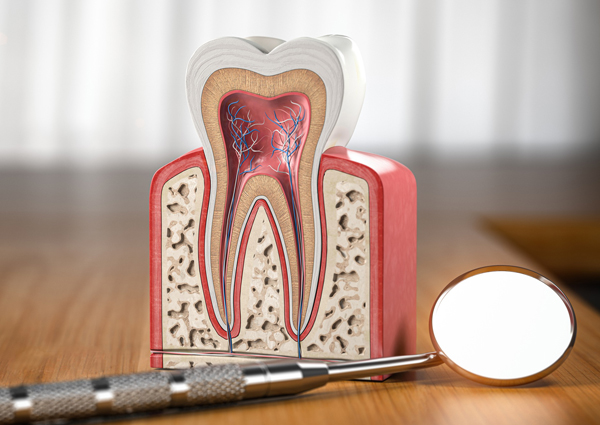
- Infected Pulp: The pulp is the soft tissue inside the tooth containing nerves and blood vessels. When this tissue becomes infected due to untreated cavities, bacteria invade the area, causing intense pain.
- Deep Cavities: A cavity that reaches the inner layers of the tooth can lead to infection, causing pain and discomfort.
- Cracked or Broken Teeth: A fracture or crack exposes the sensitive pulp to bacteria, leading to swelling and pain.
The symptoms of severe tooth pain can include throbbing or sharp pain that worsens with chewing or touch, sensitivity to hot and cold, and swelling in the gums around the affected tooth. If you experience these symptoms, seeking treatment immediately is essential to avoid further complications.
What is Root Canal Treatment?
A root canal is a dental procedure designed to treat infection within the pulp of the tooth. The process begins with the dentist administering local anesthesia to numb the area, ensuring you remain comfortable throughout the procedure.
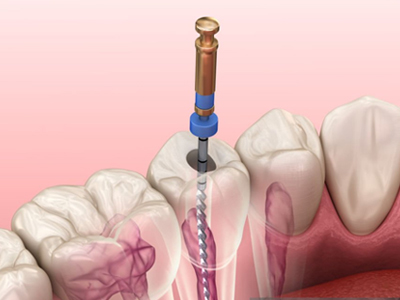
Next, the dentist makes a small opening in the tooth to access the infected pulp. The pulp is then carefully removed, and the tooth is cleaned and disinfected to eliminate any remaining bacteria. Afterward, the space is filled with a rubber-like material and sealed to prevent future infection.
Finally, the tooth is restored with a crown or filling to ensure it functions like a healthy tooth. Root canal treatment is highly effective and offers long-lasting relief from pain.
How Root Canal Treatment Relieves Tooth Pain
Root canal treatment targets the root cause of your tooth pain- an infected pulp. By removing the infected tissue and sealing the tooth, the procedure alleviates the pressure on the tooth’s nerves, which is often the primary source of the pain.
After the procedure, most patients report significant relief, with the throbbing pain subsiding almost immediately. The swelling and sensitivity that often accompany an infection also decrease, allowing the tooth to heal and return to normal function. In many cases, the tooth can be preserved for years to come, eliminating the need for extraction.
For those suffering from severe tooth pain, a root canal can provide a quick solution, restoring both comfort and function to the affected area.
Benefits of Root Canal Treatment
Stops the Pain and Prevents Further Damage
One of the primary benefits of root canal treatment is that it directly addresses the source of the pain by eliminating the infection. If left untreated, the infection can spread to the surrounding tissues or even to other parts of your body. A root canal stops the infection in its tracks, reducing the risk of more severe dental and overall health problems.
Additionally, the procedure helps save the tooth from extraction, preserving its structure and preventing the need for costly and invasive procedures like dental implants.
Restores Function and Comfort
After the treatment, the tooth is sealed and restored to its natural form with a crown or filling. This allows the tooth to regain full functionality, meaning you can chew, speak, and smile comfortably again. The restoration also strengthens the tooth, helping to prevent future damage and maintain your overall oral health.
By addressing both the pain and the underlying infection, root canal treatment provides comprehensive relief and ensures the long-term health of the tooth.
What to Expect During and After Root Canal Treatment
What Happens During the Procedure
Root canal treatment in Kyle is typically performed in one or two visits. The procedure starts with anesthesia to numb the area, ensuring you won’t feel discomfort during the treatment. After that, your dentist will create an opening in the affected tooth to access the pulp and carefully remove the infected tissue.
Once the tooth is cleaned and disinfected, it’s sealed, and a temporary filling may be placed until a permanent crown or filling is ready. Many patients report little to no discomfort during the procedure, thanks to modern techniques and anesthesia.
Recovery and Aftercare
After the procedure, you may experience mild discomfort or sensitivity in the treated area for a few days. This is normal and can typically be managed with over-the-counter pain relievers. To aid in recovery, avoid chewing on the treated tooth until it is fully restored with a permanent crown.
It’s important to follow your dentist’s aftercare instructions and attend any follow-up appointments. If you experience increased pain, swelling, or any other unusual symptoms, be sure to contact your dentist immediately.
When to Seek Root Canal Treatment
If you experience persistent tooth pain that doesn’t go away with over-the-counter medications, or if the pain worsens when chewing or touching the tooth, it may be a sign that you need a root canal. Other common signs include:
- Severe Sensitivity: Sensitivity to hot or cold that lingers after the stimulus is removed.
- Swelling: Swelling around the gums near the affected tooth, which may be accompanied by a pimple-like bump.
- Darkened Tooth: A tooth that turns darker than the surrounding teeth may indicate pulp damage.
If you notice any of these symptoms, it’s important to seek treatment promptly. Delaying treatment can lead to more severe infections or even the loss of the tooth.
Root canal treatment is a safe, effective way to eliminate severe tooth pain and prevent further damage. While the procedure may sound intimidating, it is routine for qualified dental professionals and can provide long-lasting relief. Don’t let the pain persist. Take control of your oral health today.
If you’re dealing with severe tooth pain, don’t wait for the situation to worsen. Contact us today to schedule a consultation and discuss your treatment options. Our team is here to help you get back to a pain-free life with professional root canal treatment. Let us restore your smile and your comfort!
FAQs
What are the symptoms after a root canal treatment?
Post-treatment symptoms typically include mild soreness or discomfort, which can be managed with pain relievers. Any swelling or pain beyond that should be addressed with your dentist.
Does a root canal treatment require multiple visits?
Most root canal treatments can be completed in one visit, but in some cases, a follow-up visit may be required to place the permanent restoration.
Is a root canal necessary if the tooth doesn’t hurt?
Even if there’s no pain, a root canal may still be necessary if the tooth shows signs of infection or damage to the pulp.
Does root canal treatment hurt afterward?
Some mild discomfort or swelling may occur after a root canal, but this typically subsides within a few days with over-the-counter pain relievers.
Can I eat after a root canal?
You should wait until the numbness wears off before eating. After the procedure, stick to soft foods until your tooth is fully restored.