Full Mouth Implants: Procedure and Recovery Overview
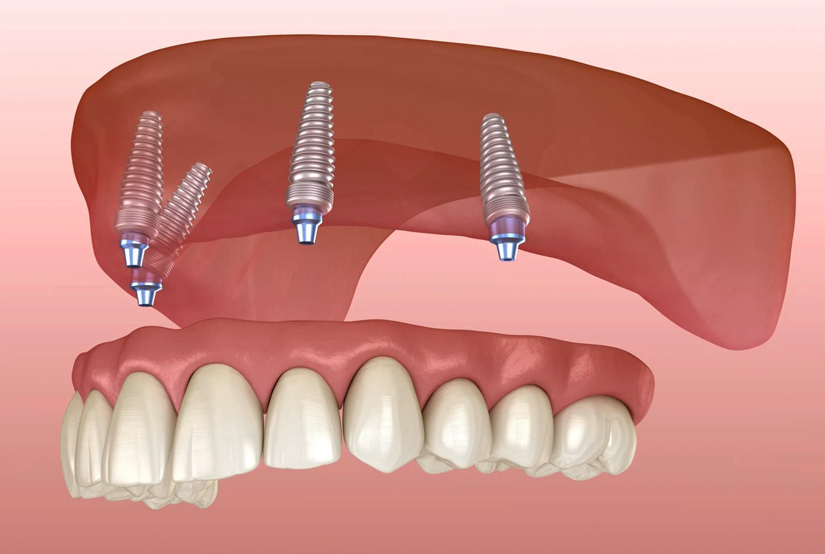
Losing several teeth or struggling with loose dentures can affect more than your smile. It can make everyday moments, like sharing a meal with friends or speaking confidently, feel uncomfortable. Many people try to adapt, but missing teeth often lead to chewing problems, shifting bite patterns, and reduced confidence in social settings.
Modern dentistry offers solutions that go far beyond traditional dentures. Treatments designed to replace an entire arch of teeth can restore comfortable chewing while also improving appearance and stability. For many patients, full mouth implants provide a long-lasting option that looks natural and functions like real teeth.
Still, many people hesitate because they worry about the procedure or how long recovery might take. Those concerns are understandable. The purpose of this guide is to walk you through the treatment process and recovery timeline so you know what to expect and can feel more confident about exploring your options.
What Are Full Mouth Dental Implants?
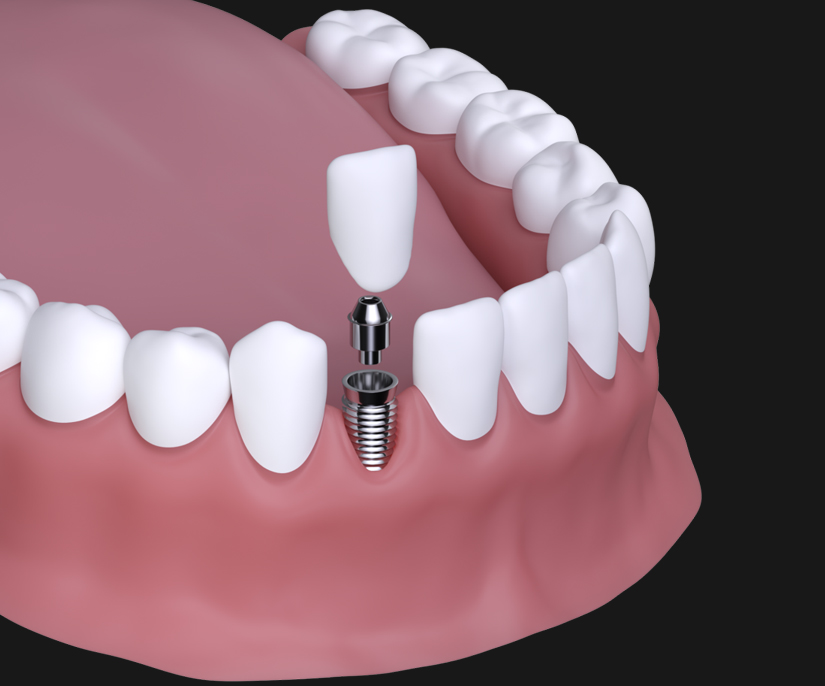
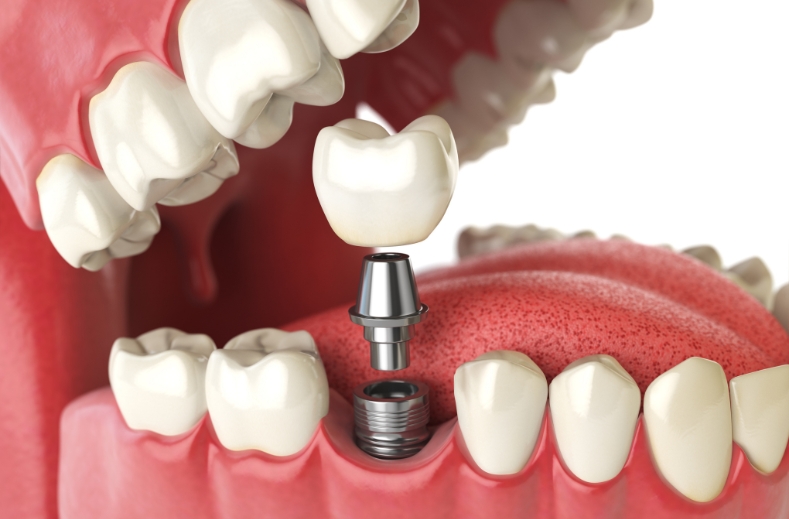
Full mouth dental implants are a treatment designed to replace an entire upper or lower set of teeth using a small number of strategically placed implants. Instead of relying on removable dentures, this approach anchors replacement teeth securely to implants placed in the jawbone.
These implants act like artificial tooth roots. Once placed, they support a fixed set of replacement teeth that stay in place throughout daily activities such as eating, speaking, and smiling. Because the implants integrate with the bone, they create a stable foundation for the prosthetic teeth.
You may hear this treatment referred to as All-on-4 or full-arch implant restoration. While the exact number of implants may vary depending on individual needs, the goal remains the same: restoring a full set of functional, natural-looking teeth.
Unlike traditional dentures that sit on the gums, implant-supported restorations are designed to remain fixed in place. This stability helps restore chewing strength and prevents the slipping or discomfort that some denture wearers experience.
Patients often appreciate that this solution closely mimics the structure of natural teeth. Because the implants interact with the jawbone, they also help maintain bone health over time.
Some of the key advantages include:
- Natural-looking replacement teeth
- Stable chewing ability for everyday foods
- Support for maintaining jawbone density
- A durable and long-term tooth replacement option
At Kyle Parkway Dentistry, this approach allows patients to regain both function and confidence while enjoying a smile that feels secure and comfortable.
Who May Need Full Mouth Implants?
Not everyone who loses a tooth requires full mouth implants in Kyle. However, certain dental situations make this treatment especially helpful for restoring oral function and appearance.
People Missing Most or All Teeth
Severe tooth loss often affects the ability to chew properly and speak clearly. In cases where many teeth are missing due to decay, injury, or gum disease, replacing the entire arch may be the most effective option.
Patients Struggling With Dentures
Some people rely on removable dentures but experience frequent slipping, sore spots, or difficulty eating certain foods. Implant-supported restorations can provide a more stable alternative that stays firmly in place.
Teeth That Cannot Be Restored
Sometimes multiple teeth are damaged beyond repair due to fractures, severe cavities, or advanced infection. When several teeth cannot be saved, replacing them with a full arch restoration can restore both function and comfort.
Bone Loss Concerns
Tooth loss often leads to gradual jawbone shrinkage. Because implants interact directly with the bone, they can help stimulate the jaw and support long-term oral structure.
For many adults in growing communities like Kyle, where active lifestyles and social gatherings are part of daily life, restoring a strong and comfortable smile can make everyday experiences more enjoyable.
Step-by-Step Overview of the Implant Procedure
Every patient’s treatment plan is unique, but the overall dental implant process generally follows several carefully planned stages.
Initial Consultation and Evaluation
The process begins with a comprehensive exam. Digital imaging and scans help the dental team evaluate bone structure, oral health, and treatment options.
Treatment Planning
Based on the evaluation, the dentist determines the number and placement of implants. A customized restoration plan is then created to match the patient’s smile and bite.
Implant Placement Surgery
During the procedure, small titanium implants are placed in the jawbone. These implants serve as the foundation for the replacement teeth.
Temporary Teeth Placement
Many patients receive temporary teeth shortly after implant placement. This allows them to maintain appearance and basic function during healing.
Healing and Osseointegration
Over several months, the implants gradually bond with the jawbone in a process known as osseointegration. This stage is essential for long-term stability.
Placement of Final Teeth
Once healing is complete, the final prosthetic teeth are attached. These customized restorations are designed for durability, comfort, and a natural appearance.
What Happens During Recovery?
Healing after implant placement occurs in stages. Most patients find the implant recovery process manageable with proper care and guidance.
First 48 Hours After Surgery
Mild swelling and soreness are common immediately after surgery. Soft foods such as soups, yogurt, and smoothies are usually recommended during this time.
First Few Weeks
As the gums heal, patients gradually return to normal daily activities. Gentle oral hygiene and following post-procedure instructions are important during this phase.
Osseointegration Period
Over the next three to six months, the implants bond with the surrounding bone. This integration creates the stable foundation needed for the final restoration.
Final Restoration Phase
After healing is complete, the permanent set of teeth is attached to the implants. At this stage, patients typically regain full chewing ability and improved comfort.
Tips for a Smooth Recovery After Implant Surgery
Proper aftercare plays a significant role in healing and long-term success.
Helpful recovery tips include:
- Follow all post-procedure instructions provided by your dentist
- Maintain good oral hygiene using gentle brushing techniques
- Choose soft foods during the early healing phase
- Avoid smoking or alcohol during the initial recovery period
- Attend all follow-up visits to monitor healing progress
Many patients find that following these simple steps helps them return to normal routines more quickly.
Benefits of Implant-Supported Tooth Replacement
Replacing a full arch of teeth offers several important advantages for oral health and daily comfort.
Key benefits include:
- Stable and secure teeth that remain fixed during speaking and eating
- Improved chewing ability, allowing patients to enjoy a wider range of foods
- Natural appearance designed to match the look of real teeth
- Support for jawbone health, helping prevent bone deterioration
- Long-lasting restoration with proper care and maintenance
For residents around Kyle who enjoy local dining spots and community events, having a comfortable smile can make everyday moments far more enjoyable.
How Long Do Implant Restorations Last?
Dental implants are designed to be durable and long-lasting. With proper care, the full mouth implants in Kyle themselves can remain stable for decades.
However, the longevity of the restoration depends on several factors, including oral hygiene habits and regular dental visits.
Good maintenance practices include:
- Brushing and flossing daily
- Attending routine dental checkups
- Addressing gum health concerns promptly
- Avoiding habits that place excessive pressure on the teeth
When patients follow these guidelines, implant-supported restorations often provide long-term function and comfort.
Are Implant-Supported Teeth Worth Considering?
For individuals who have lost many teeth, restoring a stable smile can significantly improve daily life.
Patients often notice improvements in:
- The ability to chew comfortably
- Speech clarity
- Confidence when smiling or socializing
- Overall oral health stability
Modern dental technology has made these procedures more predictable and comfortable than ever before. For many patients, restoring a full arch of teeth helps them regain both function and self-confidence.
Replacing multiple missing teeth is a significant step, but it can also be life-changing. The treatment process is carefully planned, and recovery occurs gradually with guidance from your dental team.
Understanding each stage, from consultation to healing, helps patients feel more prepared and confident about their decision. Over time, the restoration can provide strong chewing ability, improved appearance, and better long-term oral health.
If you are exploring options for replacing multiple missing teeth, the team at Kyle Parkway Dentistry can help you learn more about your choices and determine whether this treatment may be appropriate for your needs. A personalized consultation is the best way to start planning for a healthier, more comfortable smile.
FAQ On Full Mouth Implants
How long does the full mouth implant procedure take?
The full treatment process typically takes several months. Implant placement is completed in one visit, but the jawbone needs time to heal before the final teeth are attached.
Can I eat normally after getting implants?
During the first few weeks, softer foods are recommended. Once healing is complete and the final teeth are in place, most patients can resume a normal diet.
How long is the recovery period after implant surgery?
Initial healing usually takes one to two weeks, but the implants need several months to fully integrate with the jawbone before the final restoration is placed.
Can smokers get dental implants?
Smoking may affect healing and increase the risk of implant complications. Dentists often recommend reducing or stopping smoking before and after treatment.