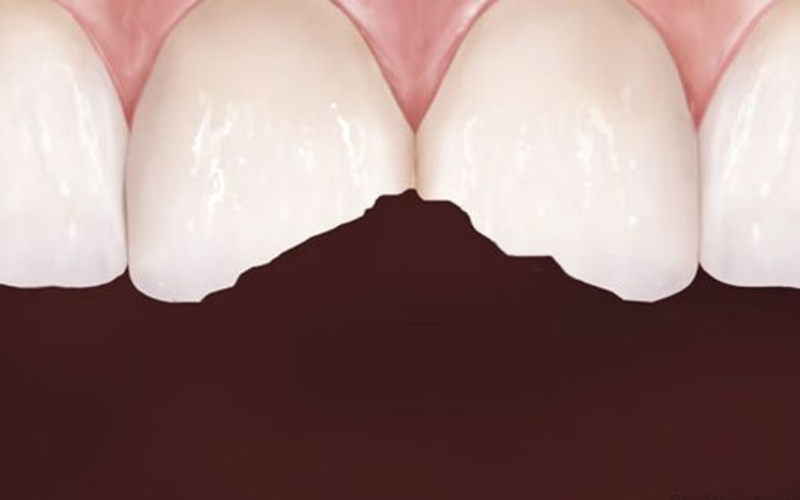

What Happens if a Sealant Chips – Should You Repair or Replace It?

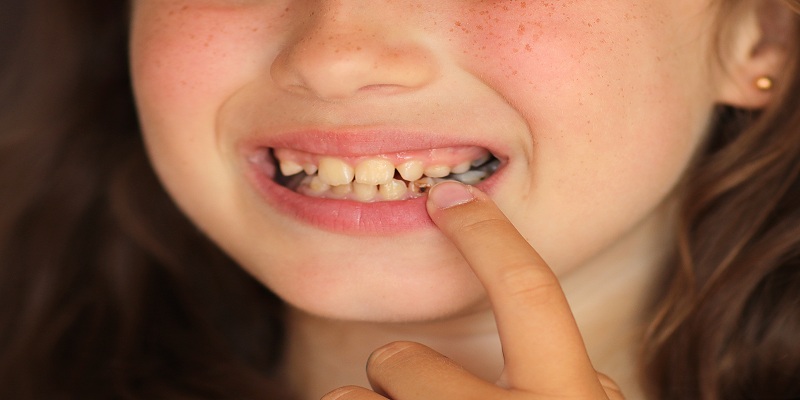
Dental sealants do a great job at protecting your teeth from decay—especially the molars in the back. They’re those thin, plastic coatings that get painted onto the bumpy chewing surfaces of your teeth, where food and bacteria love to hide. Sealants work like a shield, keeping out some of the stuff that leads to cavities. But what if you discover your sealant’s chipped? Do you just leave it? Or are you supposed to fix it? Here’s what you need to know.
Sealants mainly go on the chewing surfaces of your back teeth, those spots that seem almost designed to attract cavities. Dentists often recommend them for kids and teenagers, but honestly, adults benefit too if they’re prone to cavities. The material – either tooth-colored or clear bonds right to the tooth and forms a thin, reliable barrier. Sealants can last for years, but they’re not shatterproof. Over time, everyday wear and tear, chewing hard snacks, grinding your teeth, or compromising with brushing and flossing can break the seal. Sometimes you end up with chips.
What happens if your sealant chips?
First things first: don’t just ignore it. Any exposed part of your tooth can be damaged by bacteria and plaque, increasing your risk of a cavity. If you don’t get it fixed, here’s what might happen:
- You’ll probably start seeing more cavities, especially in those deep molar grooves.
- Food and bacteria sneak into cracks, leading to more plaque and possibly an infection.
- If the chip’s deep enough, you might feel pain or sensitivity every time you eat something hot or cold.
So, should you repair it, or replace it?
That really depends on how big the chip is and on the shape of your tooth underneath.
If it’s just a small chip and most of the sealant looks fine, your dentist might be able just to patch it up. They’ll clean the area, paint on a bit more sealant, and shine a light on it to harden it. All told, your dental sealant treatment is over pretty fast.
If you’ve an extensive chip or the sealant’s worn away in more places, your dentist will probably want to start fresh. That means removing any leftover old sealant, cleaning the tooth up, and applying a new coat. It’s a routine fix, and it doesn’t hurt. The important thing is not to wait—get it done before decay sets in.
How to make your sealants last longer?
- Don’t chew ice, pens, or other hard items.
- Keep up with brushing and flossing.
- See your dentist regularly so they can catch any issues before you even notice something’s up.
Bottom Line
A chipped sealant isn’t the end of the world, but don’t leave it unchecked. Get it fixed, patched up, or replaced. You skip out on that now, and you could be dealing with more painful (and expensive) dental problems later. If you think your sealant’s chipped, or it’s just been a while since your last checkup, reach out to our dentist at Kyle Parkway Dentistry. Sealants are easy to maintain, and they can save you a whole lot of trouble down the road.
FAQs
- Can a chipped sealant lead to tooth decay?
Yes, a chipped sealant can expose the tooth to bacteria, increasing the risk of cavities and decay. - How long do dental sealants last?
Dental sealants can last for several years, but they may wear down or chip over time, depending on oral habits. - Is the process of replacing a sealant painful?
No, replacing a sealant is a non-invasive procedure that is typically painless and quick. - Can adults get dental sealants?
Yes, dental sealants are beneficial for adults as well, especially for those who are prone to cavities or have deep grooves in their teeth. - How often should I visit the dentist for sealant checks?
It’s recommended to have your sealants checked during your regular dental visits to ensure they remain intact and provide adequate protection.