4 Common Dental Myths That May Be Damaging Your Smile
Dental misinformation spreads faster than most people realize. A piece of advice passed down from a parent, a tip shared in a Facebook group, a quick search that leads to a convincing-sounding article, and before long, you’re following dental “rules” that have no basis in dental science. Some of these myths are harmless. Others are quietly causing real damage to your teeth, gums, and long-term oral health.
Why Dental Myths Are Hard to Shake
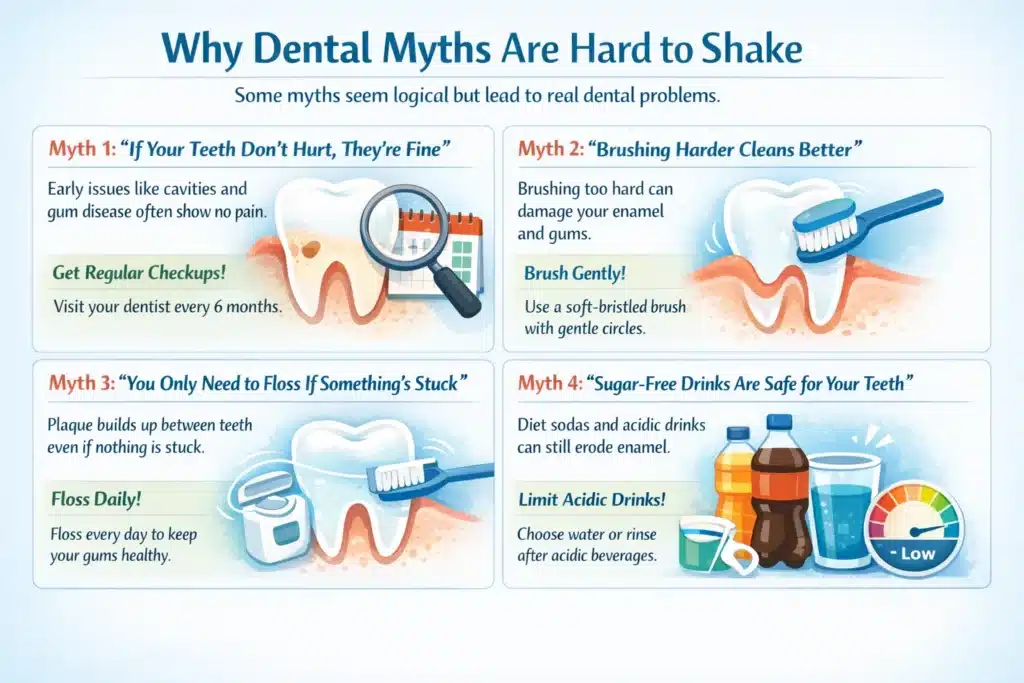
Most dental myths stick around because they contain a grain of truth or seem logical on the surface. That’s what makes them tricky. You think you’re doing the right thing, but the full picture tells a very different story.
At Kyle Parkway Dentistry, the team regularly sees patients with preventable issues stemming directly from misinformation. A dentist in Kyle can catch these problems early, but first, it helps to know what you might be getting wrong.
Here are four of the most common dental myths, and what the actual evidence says about each one.
Video source: The Tooth Files YouTube Channel
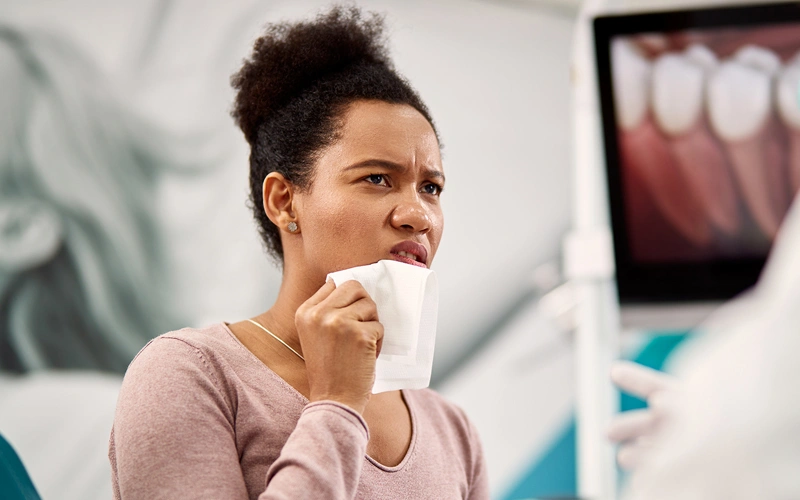
Myth 1: If Your Teeth Don’t Hurt, They’re Fine
This one is probably the most dangerous myth of all, and it leads many people to skip their regular checkups entirely. The reasoning seems sound: no pain, no problem. But oral health rarely works that way.
Cavities in their early stages don’t hurt. Gum disease, which affects nearly half of American adults over 30, according to the CDC, often develops without any discomfort at all. Oral cancer, one of the more serious conditions a dentist screens for during routine exams, can progress silently for months. By the time pain appears, you’re often dealing with something that’s significantly harder (and more costly) to treat.
What to Do Instead
Schedule dental checkups every six months, even when everything feels fine. Routine exams include X-rays and screenings that catch issues long before they become symptomatic. Think of it less as a reaction to pain and more as maintenance – the same way you’d get your car serviced before something breaks down.
Myth 2: Brushing Harder Cleans Better
It makes intuitive sense: more pressure, more scrubbing power. But your enamel and gum tissue don’t work like a dirty pan. Aggressive brushing wears down enamel over time and pushes the gum line away from the base of your teeth – a condition called gingival recession that’s essentially irreversible without treatment.
Studies have consistently shown that soft-bristled toothbrushes used with gentle, circular motions are more effective at removing plaque than hard scrubbing. The American Dental Association recommends soft-bristled brushes for exactly this reason. Pressure is not the goal; consistency and technique are.
What to Do Instead
Switch to a soft-bristled brush if you haven’t already. Brush for a full two minutes using small, gentle circles – not back-and-forth strokes. If you notice your bristles flattening within a few weeks of buying a new brush, that’s a reliable sign you’re pressing too hard.
Myth 3: You Only Need to Floss If Something Is Stuck in Your Teeth
Flossing gets a bad reputation – it feels like an extra step, and it’s easy to rationalize skipping it if your teeth feel clean after brushing. But brushing alone only reaches about 60% of your tooth surfaces. The spaces between teeth and just below the gum line are where plaque accumulates undisturbed unless you floss.
That plaque, left in place, hardens into tartar within 24 to 72 hours. Once it calcifies, no amount of brushing will remove it; only a professional cleaning can. Chronic plaque buildup between teeth is a leading cause of both interproximal cavities (cavities between teeth) and periodontal disease.
What to Do Instead
Floss once daily, ideally before bed. If you’re uncomfortable using traditional floss, interdental brushes, floss picks, or a water flosser are all effective alternatives.
Myth 4: Sugar-Free Drinks Are Safe for Your Teeth
Diet sodas, sparkling water, sports drinks, and sugar-free juices seem like safer choices than their sugary counterparts, and for blood sugar, they often are. But for your teeth, acidity matters just as much as sugar content.
Most carbonated beverages, including plain sparkling water, have a pH well below the neutral level of 7. Soda typically falls between 2.5 and 3.5 on the pH scale. Repeated acid exposure softens enamel, making it more susceptible to erosion and staining. Drinking acidic beverages throughout the day, even without sugar, creates a persistently acidic oral environment that gradually breaks down tooth structure.
What to Do Instead
Water remains the gold standard for your teeth and body. If you enjoy sparkling water, try to drink it with meals rather than sipping it continuously throughout the day, and rinse with plain water afterward. Limit sports drinks and diet sodas, even the sugar-free versions.
Dental health is one of those areas where small habits compound over the years. The myths above aren’t just harmless misconceptions – they lead to patterns of behavior that, sustained over time, result in real clinical problems: recession, erosion, cavities that require more invasive treatment, and gum disease that becomes harder to manage the longer it’s left alone.
Kyle is a growing community, and Kyle Parkway Dentistry is here to serve families at every stage, from kids getting their first checkup to adults who haven’t seen a dentist in years and aren’t sure where to start. There’s no judgment, just practical guidance tailored to your situation.
If something in this post made you realize your routine could use an update, that’s a good starting point. And if you can’t remember your last dental visit, that’s an even better reason to reach out. Book your appointment with Kyle Parkway Dentistry today and get a clear, honest picture of where your oral health actually stands.
People Also Ask
How often should I really replace my toothbrush?
Every three to four months, or sooner if the bristles are visibly frayed. A worn-out toothbrush cleans far less effectively and can harbor bacteria. If you’ve been sick, replacing your brush afterward is also a good idea.
Is mouthwash a substitute for brushing or flossing?
No. Mouthwash is a supplement, not a replacement. It can reduce bacterial load and freshen breath, but it doesn’t physically remove plaque or food debris the way brushing and flossing do. Antiseptic or fluoride rinses work best as a final step after your regular routine.
Can diet alone keep your teeth healthy without regular dental visits?
Diet plays a meaningful role in oral health, but it can’t replace professional care. Even with excellent nutrition and hygiene habits, tartar still builds up in areas that are difficult to clean at home, and conditions like early-stage cavities or bone loss can only be detected with X-rays and clinical exams.
Why do my teeth feel sensitive after eating sweets or drinking cold beverages?
Sensitivity to sweet or cold stimuli often points to enamel erosion, a cavity, or early gum recession exposing the root surface. It’s worth mentioning to your dentist — sensitivity is rarely just a minor annoyance. It’s usually a signal that something specific is going on.
At what age should children first visit the dentist?
The American Academy of Pediatric Dentistry recommends a child’s first dental visit by their first birthday, or within six months of their first tooth appearing. Early visits help establish healthy habits, allow the dentist to monitor development, and prevent kids from developing anxiety around dental care as they get older.