Your Guide to Dental Implant Surgery and the Recovery Process

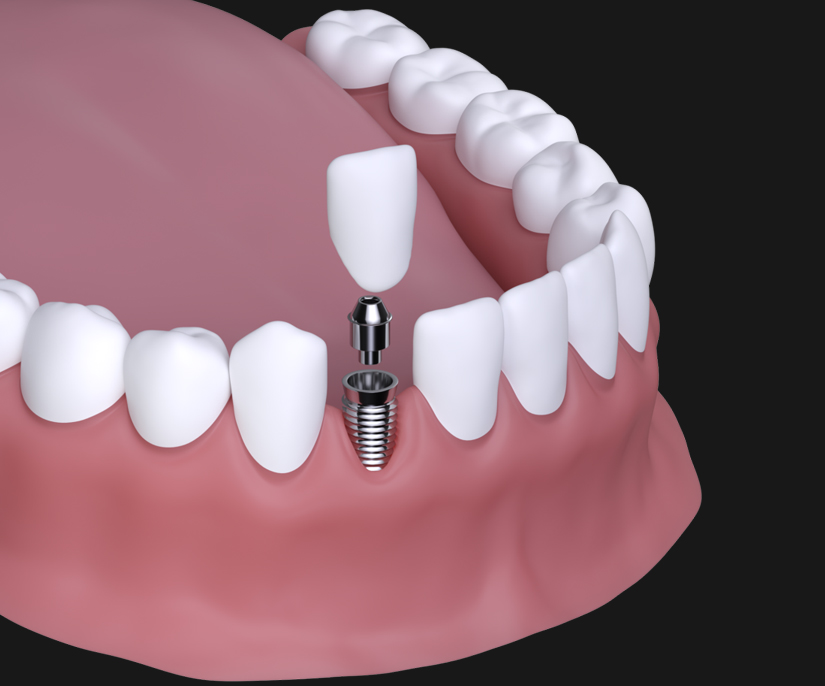
Dental implants provide one of the most dependable solutions for replacing lost teeth and restoring chewing, speech, and confidence in one’s smile. For residents in the cities of Kyle, TX, and the nearby cities of Buda, Sunset Valley, and Northwest San Marcos, having an understanding of the processes involved before, during, and after having dental implants can help you make an informed decision about dental implant surgery and feel confident in the surgical process.
This blog will provide clarity on dental implant surgeries and answer any questions you may have about your surgical experience and recovery.
What is Dental Implant Surgery?
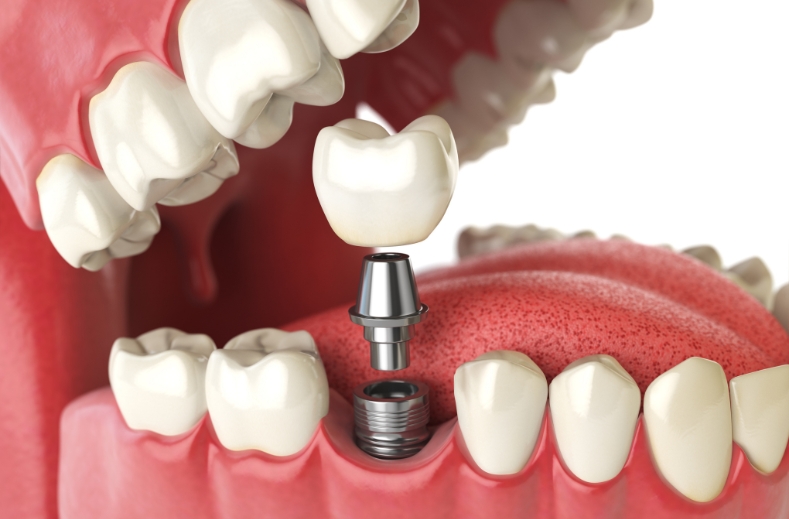
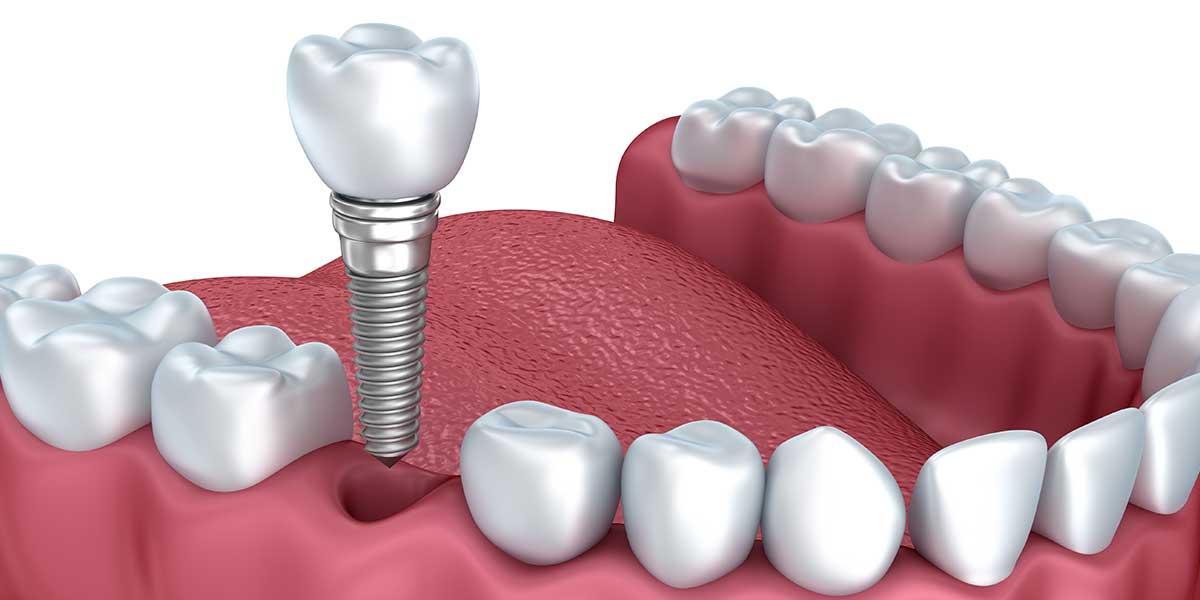
Dental implant surgery is a recognized, reliable way to replace one or more teeth using titanium implants. The oral surgeon places a titanium post into the jawbone near the locations of lost teeth; this post serves as an anchor for custom dental crowns, bridges, or dentures after healing.
During the procedure, your dentist or oral surgeon will:
- Make a small opening in the gum.
- Insert the implant into the jawbone.
- Close the site so healing can begin.
Dental implants in Kyle provide a foundation that performs like and looks like natural teeth; in fact, they will last longer than traditional bridges or dentures.
Video source: Dental Health Society
What to Expect in the First Few Days After Surgery
Once your implant is installed, your body begins the healing process immediately. Your short-term healing process includes both surgical healing and the bone-integration process called osseointegration, which is the long-term process in which your implant and jawbone permanently bond.
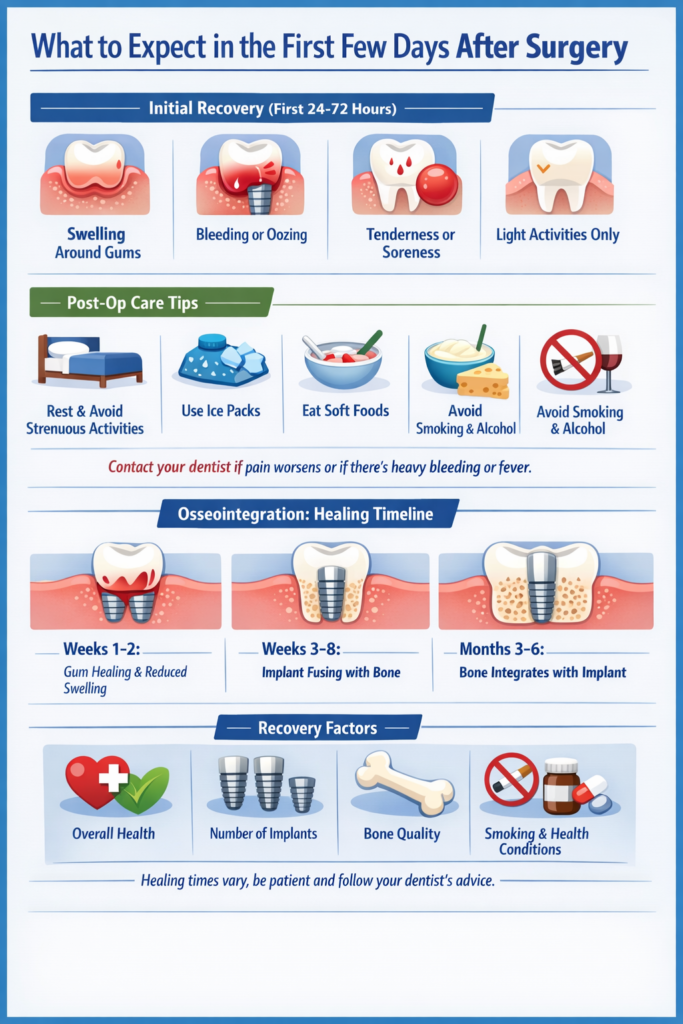
During the first 24-72 hours post-surgery:
- Some swelling around your gums
- Some bleeding or oozing around the implant site may be experienced.
- Some tenderness or soreness is to be expected.
Most patients can go back to their normal, light activities in a couple of days.
Practical Post-Op Instructions:
- Avoid strenuous activities for the first few days.
- Apply ice packs occasionally to help with swelling.
- Eat soft foods such as yogurt, smoothies, or mashed potatoes.
- Avoid smoking, alcohol, and drinking with straws, as they can delay healing.
Some discomfort is to be expected, but it should not be too painful. If the pain worsens over time or if there is heavy bleeding or fever, contact your dentist immediately.
The Importance Of Osseointegration: Why It Takes Time To Heal
Dental implants in Kyle do not integrate with your jawbone immediately upon placement; it takes time for osseointegration to occur. This is a biological process in which new bone cells grow around the titanium implant. Osseointegration makes the implant secure and allows it to function like a natural tooth.
What this healing process may look like:
- Weeks 1-2: Gum tissue heals, and swelling begins to decrease.
- Weeks 3-8: The site continues to heal on the surface, and your pain continues to diminish.
- Months 3-6: New bone gradually surrounds and anchors the implant.
Although you may feel completely fine after only a week or two, this integration is vital for successful, long-term osseointegration. Most dentists will wait for osseointegration before restoring the site with a final crown or another prosthetic tooth.
Factors That Influence Your Recovery
Healing time isn’t the same for everyone. Several factors affect how long recovery takes:
- Overall health: Good general health supports faster healing.
- Number of implants placed: More implants can mean a longer recovery period.
- Bone quality: A strong jawbone leads to more predictable osseointegration.
- Smoking or chronic health conditions: These can slow healing or increase risk.
In some cases, your dentist may recommend preparatory procedures, such as bone grafting, before implant placement. This strengthens the jawbone but adds extra healing time before the actual implant surgery can occur.
When Can You Return to Normal Activities?
In the first few days, you can return to work and light daily activities, but refrain from any high-impact exercise or strenuous activities for at least one week unless otherwise approved by your dentist. Your diet should consist of a soft diet for the first week, and gradually increase to normal eating once you become accustomed to the new appliance. Your dentist will advise you to chew on the side with the implant and to eat with care as you continue to heal.
Supporting Your Recovery
Following these simple instructions will assist in the overall healing of your mouth:
- Gently brush your teeth, floss around the surgical site, and rinse with warm saltwater as recommended by your dentist.
- Stay hydrated. Fluids help your body heal.
- Take all prescribed pain medications and antibiotics.
- Attend all follow-up appointments scheduled with your dentist to ensure the implant integrates.
Contact your dentist immediately if you experience severe or prolonged pain or any concerning symptoms.
What Success Looks Like
After osseointegration is complete and the final restoration is placed, dental implants will work very similarly to your natural teeth. If you take good care of them regularly, with dental check-ups, brushing, and flossing every day, as well as staying away from harmful habits, implants can stay with you for many years and even help maintain your jawbone health.
A Clear Path to Recovery and Confidence
Implant surgery is a safe, highly predictable, and scientifically supported treatment for tooth replacement that lasts. By having a clear understanding of the recovery process from the initial days to the months required for the implant to become fully integrated, you will be able to gear up both mentally and physically for the road that lies ahead.
If you are looking for compassionate, recognized, quality care, and you have some questions about how dental implants in Kyle might be the right solution for you, dont hesitate to get in touch with Kyle Parkway Dentistry and schedule a consultation, and take the first step towards a strong and comfortable smile.
Common Questions People Ask
1. How long does dental implant recovery usually take?
Short‑term healing (gums and swelling) usually takes 1–2 weeks. Full bone integration may take 3–6 months, depending on individual factors and post‑op care.
2. Can I work the next day after surgery?
Many patients return to light activities or work within 1–3 days, but every case is different. Follow your dentist’s recommendations.
3. What should I eat after implant surgery?
Stick to cool, soft foods like yogurt, smoothies, or mashed potatoes during the first week to protect the surgical site.
4. Is implant surgery painful?
Discomfort and swelling are normal for the first few days and can be managed with prescribed or over‑the‑counter medications as advised by your dentist.