
Dental Crowns Kyle TX
Dental Crowns in Kyle, TX: What You Need to Know
If your dentist has mentioned a dental crown, you may have questions. What exactly is a crown? When is one necessary? How does the process work? Patients searching for Dental Crowns Kyle deserve clear, honest answers. At Kyle Parkway Dentistry, Dr. Dholariya helps patients understand every step of their care. This guide covers everything you need to know about dental crowns in Kyle, TX.
What Is a Dental Crown?
A dental crown is a custom-made cap that fits over a damaged tooth. It restores the tooth’s shape, size, and strength. Crowns also improve the tooth’s appearance when needed. They are one of the most versatile restorations in dentistry.
Crowns can be made from several different materials. Common options include porcelain, ceramic, metal alloys, and porcelain-fused-to-metal. Your dentist will recommend the best material based on the tooth’s location and your specific needs. Front teeth often use tooth-colored porcelain for a natural look.
A crown completely covers the visible portion of the tooth above the gumline. This gives the tooth full protection from further damage. It also allows you to bite and chew normally. With proper care, a crown can last 10 to 15 years or longer.
When Do You Need Dental Crowns? Kyle Patients Often Ask
There are many situations where a dental crown becomes necessary. Dr. Dholariya evaluates each patient individually before recommending a crown. Understanding the common reasons can help you feel confident about your treatment plan.
Here are the most common reasons a dentist recommends a dental crown:
- A tooth has a large cavity that a filling cannot adequately restore
- A tooth is cracked or fractured and needs structural support
- A tooth has become weakened after a root canal procedure
- A tooth is severely worn down from grinding or acid erosion
- A dental bridge needs to be anchored to neighboring teeth
- A dental implant needs a crown placed on top of it
- A tooth has a cosmetic issue such as severe discoloration or misshapen form
Sometimes patients need a crown after a root canal therapy procedure. The treated tooth becomes more brittle over time. A crown protects it from cracking under normal chewing pressure. This is a very common and important use of dental crowns.
The Dental Crown Process at Kyle Parkway Dentistry
Getting a dental crown typically requires two appointments. Knowing what to expect makes the experience much less stressful. Dr. Dholariya and the team at Kyle Parkway Dentistry walk you through every step.
Here is what the dental crown process generally looks like:
- Examination and preparation: Your dentist examines the tooth and takes X-rays. The tooth is then shaped to make room for the crown.
- Impressions: Digital or physical impressions are taken of your prepared tooth. These ensure the crown fits perfectly.
- Temporary crown: A temporary crown protects your tooth while the permanent one is being made.
- Crown placement: At your second visit, the permanent crown is checked for fit and comfort. It is then cemented securely in place.
The preparation appointment may involve some sensitivity afterward. This is completely normal and usually fades within a few days. Over-the-counter pain relievers can help manage any mild discomfort. Your dental team will give you full aftercare instructions.
Some practices now offer same-day crowns using CAD/CAM technology. This means the crown is designed and milled in the office in a single visit. Ask our team whether this option is available for your situation. It can be a convenient choice for busy Kyle residents.
Caring for Your Dental Crown
A dental crown is durable, but it still requires good daily care. Treating your crown well helps it last as long as possible. The good news is that crown care is straightforward and simple.
Follow these tips to keep your crown in great condition:
- Brush twice daily with a soft-bristled toothbrush
- Floss carefully around the crown every day
- Avoid chewing ice, hard candy, or very sticky foods
- Wear a nightguard if you grind your teeth while sleeping
- Visit your dentist for regular cleanings and checkups twice a year
The area where the crown meets the gumline needs special attention. Plaque can build up there just like on a natural tooth. Good brushing and flossing prevent gum disease around the crowned tooth. Staying consistent with your oral hygiene routine protects your whole smile.
If your crown ever feels loose or causes sharp pain, contact your dentist right away. A loose crown can expose the underlying tooth to bacteria. Prompt attention prevents further damage and keeps treatment simpler. Do not wait to address any concerns about your crown.
Dental Crowns vs. Other Tooth Restoration Options
A dental crown is not always the only option for a damaged tooth. Understanding your alternatives helps you make an informed decision. Dr. Dholariya will always explain every option available to you.
For minor chips or surface damage, dental bonding may be a simpler solution. Bonding uses a tooth-colored resin to repair small imperfections. It requires little to no removal of tooth structure. However, it is not as strong as a crown for heavily damaged teeth.
When a tooth is missing rather than damaged, a crown can serve as part of a dental bridge. A bridge uses crowns on the adjacent teeth to hold an artificial tooth in place. This is a reliable way to replace a missing tooth without surgery. Your dentist can help you decide if a bridge or another option is best.
In some cases, a tooth may be too damaged to save with a crown. Extraction followed by an implant or bridge may be the better path. Your dentist will always prioritize preserving your natural teeth when possible. A thorough evaluation guides the right recommendation for your situation.
Why Choose Kyle Parkway Dentistry for Your Crown?
Kyle is one of the fastest-growing cities in Texas. Residents here deserve dental care that is both high-quality and convenient. Kyle Parkway Dentistry is proud to serve this community with personalized, patient-focused care.
Dr. Dholariya brings experience and genuine care to every appointment. The team takes time to listen to your concerns and explain your options. You will never feel rushed or confused about your treatment. Patient education is a core part of the practice’s philosophy.
The office uses modern technology to make your visits as comfortable as possible. From digital X-rays to precise impressions, every detail is handled with care. Your comfort and long-term dental health are always the top priorities. The team is here to support you through every step of your treatment.
Whether you need a crown for function or aesthetics, the team is ready to help. Schedule a consultation to discuss your specific needs and goals. Getting the right information early leads to better outcomes. Book Now to schedule your appointment with our team.
Frequently Asked Questions
How long does a dental crown last?
Most dental crowns last between 10 and 15 years with proper care. Some crowns last much longer depending on the material used and your oral hygiene habits. Attending regular dental checkups helps extend the life of your crown significantly.
Does getting a dental crown hurt?
The procedure is done under local anesthesia, so you should not feel pain during the appointment. Some sensitivity or mild soreness is normal for a few days after the tooth is prepared. Over-the-counter pain relievers are usually sufficient to manage any discomfort.
Can a dental crown fall off?
It is uncommon, but a crown can become loose or fall off over time. This can happen due to decay underneath the crown or the cement weakening. If your crown feels loose or falls out, contact your dentist as soon as possible to have it re-cemented or replaced.
Is a dental crown noticeable?
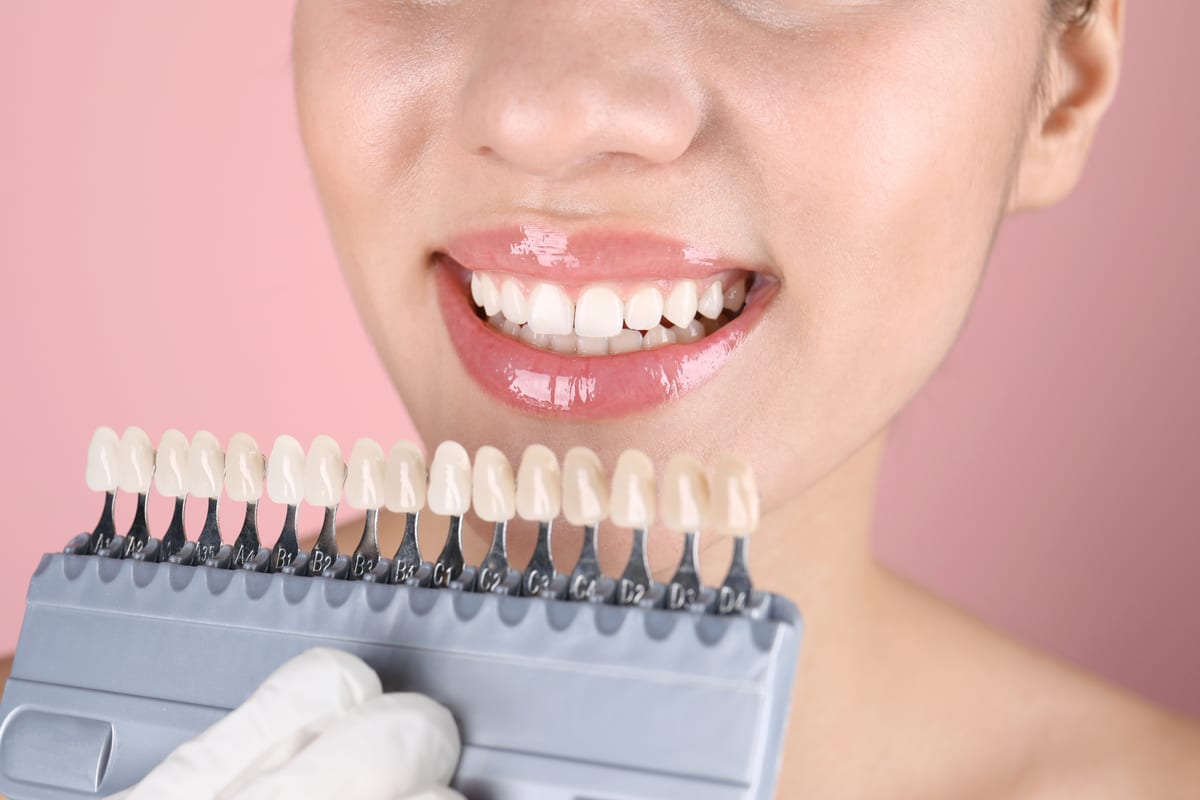
Tooth-colored porcelain and ceramic crowns are designed to blend in with your natural teeth. Most people will not be able to tell you have a crown at all. Your dentist will match the shade of the crown to the surrounding teeth for a seamless look.
Do I still need to floss around my crown?
Yes, absolutely. Flossing around a crown is just as important as flossing natural teeth. The gumline around the crown can still accumulate plaque and develop gum disease. Daily flossing and brushing keep both the crown and the surrounding tissues healthy.