10 Causes of Yellow Teeth and How to Avoid Them
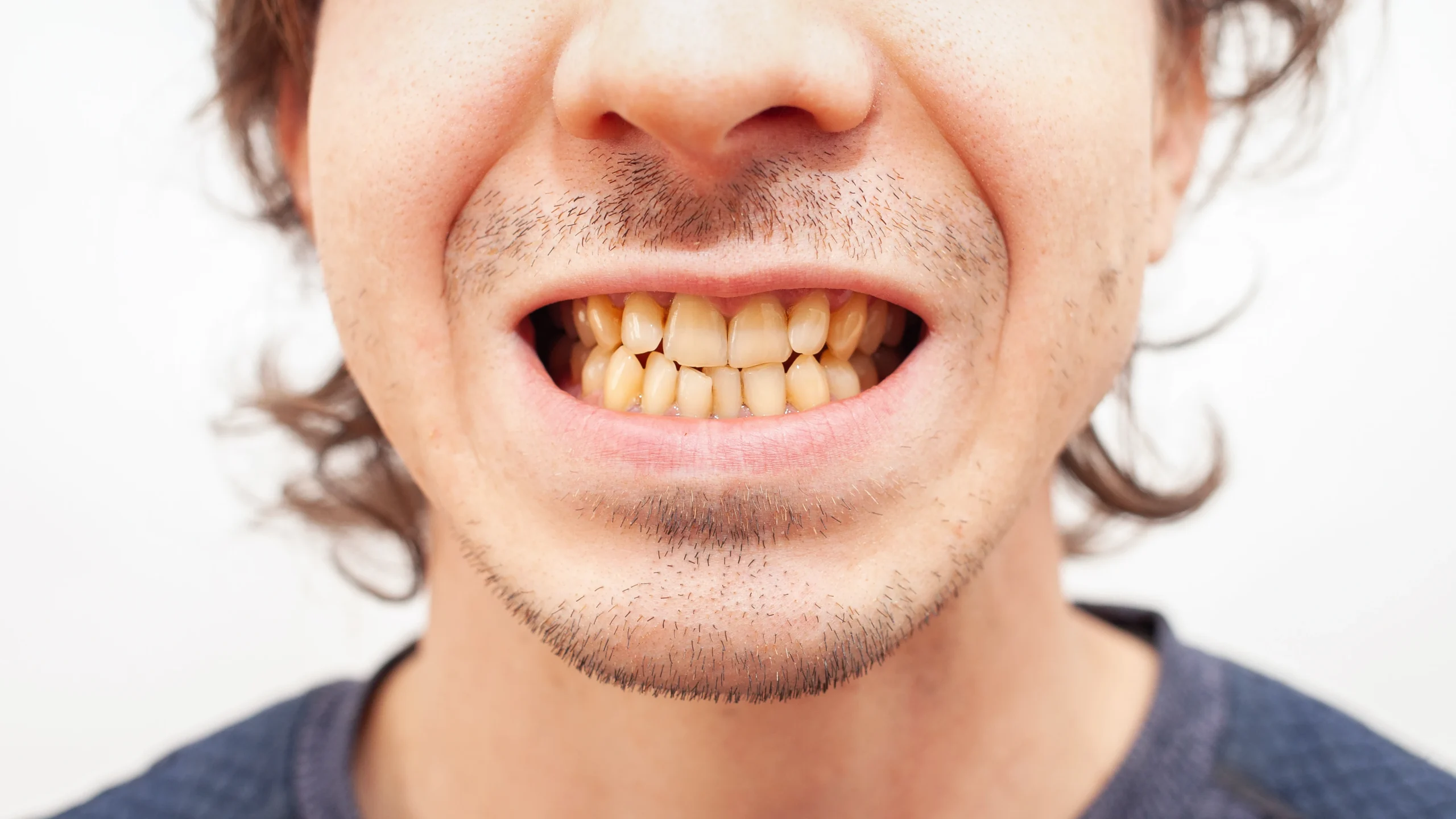
Your smile is one of the first things people notice about you. Yet for millions of Americans, yellow or stained teeth quietly chip away at their confidence at job interviews, first dates, family photos, and everything in between. The good news? Most causes of tooth discoloration are preventable, and those that aren’t can usually be treated.
What Causes Yellow Teeth?
Tooth discoloration falls into two main categories: extrinsic stains (on the surface of the enamel) and intrinsic stains (deeper, inside the tooth structure). Both are common, but they respond differently to treatment. Understanding which type you’re dealing with helps determine the right path forward, whether that’s a change in habits or a professional solution like teeth whitening at Kyle Parkway Dentistry in Kyle.
Here’s a look at the ten most common reasons behind yellow teeth:
1. Coffee, Tea, and Red Wine
These are among the biggest staining offenders. All three contain tannins – naturally occurring compounds that bind to tooth enamel and leave behind a yellowish or brownish tint over time. Daily coffee drinkers are especially susceptible. Rinsing your mouth with water after drinking and using a straw when possible can significantly slow the staining process.
Video source: Teeth Talk Girl YouTube Channel
2. Tobacco Use
Whether you smoke cigarettes or use chewing tobacco, nicotine and tar penetrate tooth enamel and cause some of the most stubborn stains dentists see. According to the CDC, about 11% of American adults currently smoke, and many of them struggle with persistent discoloration that goes well beyond surface staining. Quitting tobacco is the most effective long-term solution for this type of discoloration.
3. Poor Oral Hygiene
Inconsistent brushing and flossing allow plaque, a sticky film of bacteria, to accumulate on your teeth. Over time, that plaque hardens into tartar, which is yellow or brownish. Brushing twice a day for two minutes and flossing daily helps prevent plaque buildup in the first place.
4. Certain Foods
Berries, tomato sauce, soy sauce, balsamic vinegar, and even curry can stain your enamel with regular exposure. These foods are rich in pigmented compounds called chromogens that bind to enamel. You don’t need to give them up entirely, just rinse with water after eating them and keep up with your dental hygiene routine.
5. Aging
As you get older, the outer layer of enamel gradually wears down, revealing more of the yellowish dentin layer beneath. This is a completely natural process, but it does mean that some degree of yellowing is inevitable with age, regardless of how well you care for your teeth. This is one of the main reasons adults in their 40s and 50s often seek professional whitening treatments.
6. Fluorosis
Fluoride is essential for strong teeth, but too much of it during childhood tooth development can cause fluorosis – a condition that leads to white spots, streaks, or, in more severe cases, brownish-yellow discoloration. According to the CDC, about 23% of Americans aged 6 to 49 have some form of dental fluorosis. Mild cases are mostly cosmetic, but moderate to severe cases may require professional treatment.
7. Certain Medications
Some medications can cause tooth discoloration as a side effect. Tetracycline antibiotics, for example, are well-documented for causing grey or yellowish intrinsic stains when taken during childhood. Antihistamines, antihypertensives, and some antipsychotics have also been linked to discoloration in adults. If you suspect a medication is affecting your tooth color, talk to both your physician and your dentist before making any changes.
8. Trauma or Injury
A tooth that has suffered physical trauma from a sports injury, a fall, or any kind of impact can darken over time. This happens because the tooth responds to injury by depositing more dentin, which is darker than enamel. In some cases, the nerve inside the tooth may also be damaged. Discoloration following an injury is worth discussing with your dentist, as it could signal an underlying issue beyond cosmetic concern.
9. Genetics
Some people are simply born with thinner enamel or naturally yellower dentin, and no amount of brushing will change that. If your parents had yellow teeth despite good oral care, you may have a genetic predisposition. Cosmetic options, including professional teeth whitening in Kyle, can make a meaningful difference for patients with genetically influenced discoloration.
10. Dry Mouth (Xerostomia)
Saliva plays a crucial role in neutralizing acids and washing away food particles. When saliva production is low, whether from medication, mouth breathing, or a medical condition, your mouth becomes more acidic. This accelerates enamel erosion and makes teeth more vulnerable to staining. Staying hydrated and addressing the root cause of dry mouth can help protect your enamel long term.
How to Prevent Tooth Discoloration
Prevention goes a long way. Here are practical steps that genuinely make a difference:
- Brush and floss consistently. Twice-daily brushing and once-daily flossing remove surface staining before it sets.
- Drink water after consuming foods and beverages. You don’t need to avoid coffee or wine, just rinse afterward.
- Use a whitening toothpaste. These contain mild abrasives that help reduce surface stains between professional cleanings.
- Stay current with dental cleanings. Professional cleanings remove tartar that regular brushing can’t touch.
- Wear a mouthguard during contact sports. Protecting your teeth from trauma prevents the kind of injury-related darkening that’s harder to reverse.
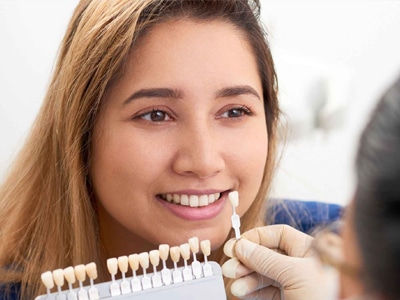
If prevention isn’t enough or if you’re dealing with stubborn or intrinsic staining, professional whitening treatments offer results that over-the-counter products simply can’t match. Kyle Parkway Dentistry offers personalized whitening options tailored to your teeth’s specific needs and sensitivity level.
Whether your staining is from years of coffee, natural aging, or something harder to control, you have options. The team at Kyle Parkway Dentistry is here to help you figure out what’s causing your discoloration and what will actually work for your specific situation. Don’t let yellow teeth hold your smile back. Book your appointment today and take the first step toward a noticeably brighter, healthier smile.
People Also Ask
Can yellow teeth become white again naturally?
Mild surface staining can sometimes be reduced with diligent brushing, whitening toothpastes, and dietary changes. However, intrinsic staining from aging, medications, or genetics requires professional treatment to achieve meaningful improvement. “Natural” remedies like oil pulling or baking soda have limited evidence and can even damage enamel with overuse.
Is teeth whitening safe for sensitive teeth?
Sensitivity during or after whitening is common and usually temporary. Professional whitening treatments allow your dentist to adjust the concentration of bleaching agents and recommend desensitizing products to minimize discomfort. Over-the-counter treatments may be less predictable for sensitive patients.
How often should I get my teeth professionally whitened?
This depends on your lifestyle and the type of whitening treatment used. Most patients find that a touch-up once every 12 to 18 months maintains results well, especially when combined with good daily hygiene habits. Your dentist can give you a more specific recommendation based on your enamel condition and staining history.
Do veneers or bonding work better than whitening for severe discoloration?
For severe intrinsic staining from tetracycline or fluorosis, whitening may have a limited effect. In those cases, dental veneers or cosmetic bonding can offer more dramatic, lasting results by covering the discoloration rather than attempting to bleach through it. A consultation with your dentist will clarify which option fits your situation.